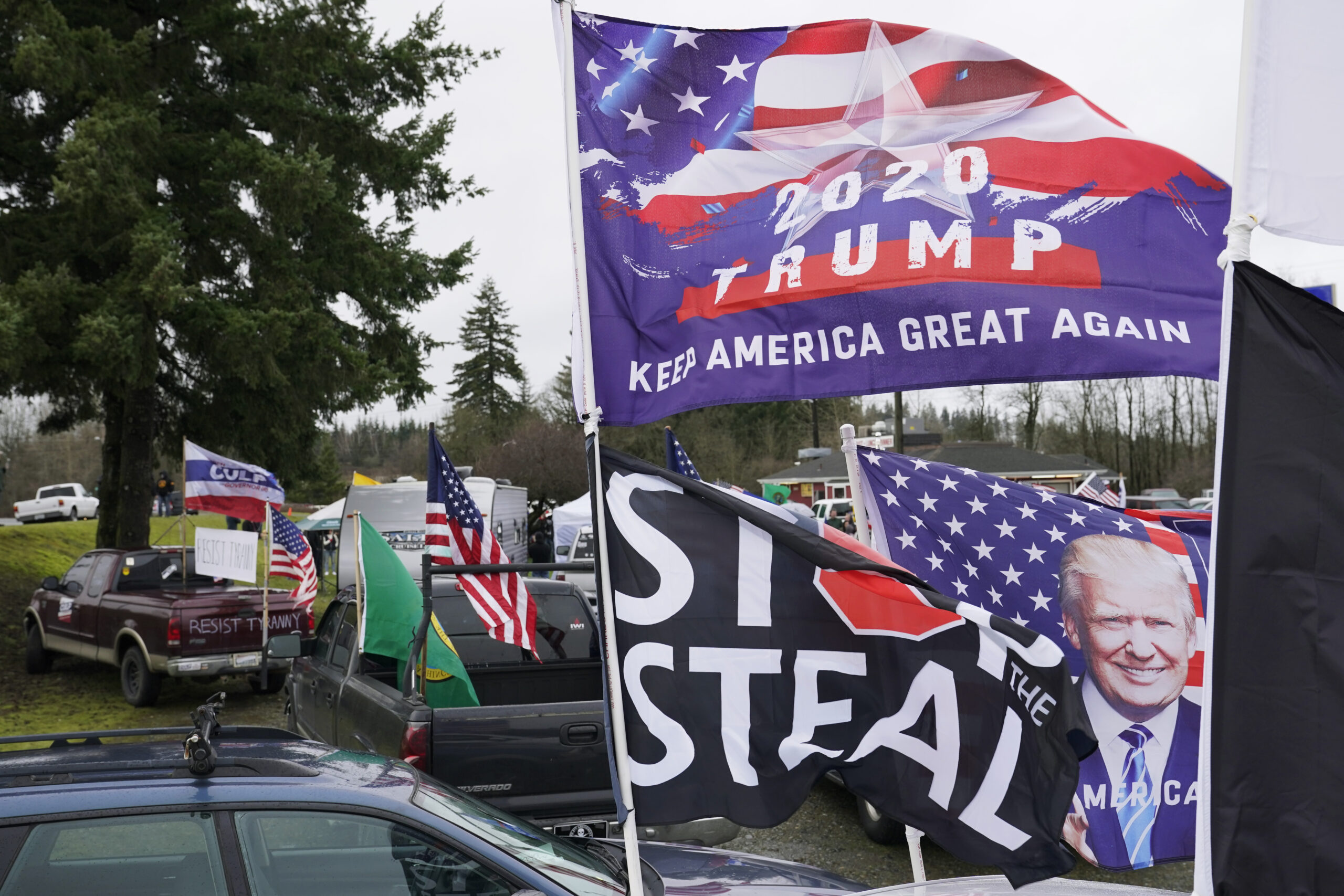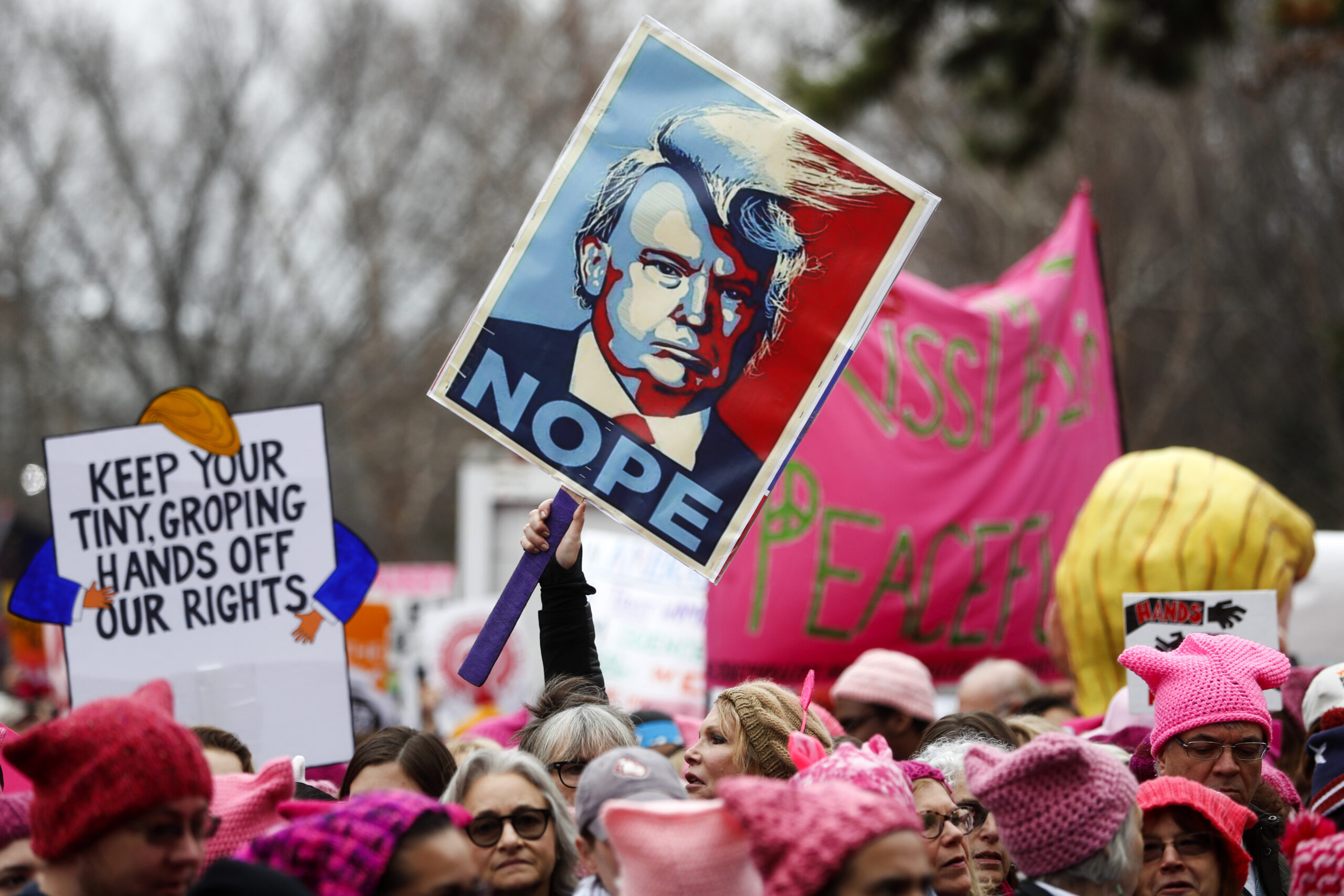
After President Joe Biden ousted former President Donald Trump last year, setting him on an epic path of complaints and lawsuits, the media dubbed the GOP a bunch of sore losers who just couldn’t accept election results.
It didn’t help that some Trump supporters stormed the Capitol and tried to upset the ceremonial Electoral College count to elect Biden.
Recommended Stories


But considering the Democrats’ rejection of Trump’s presidency four years earlier and their promotion of the Russian collusion investigation, it got GOP pollster David Winston to wonder if election rejection was only a Republican thing.
When he conducted his February “Winning the Issues” survey of 1,000 registered voters, he included two questions to test his doubt, asking if Trump and Biden were elected fairly or not.
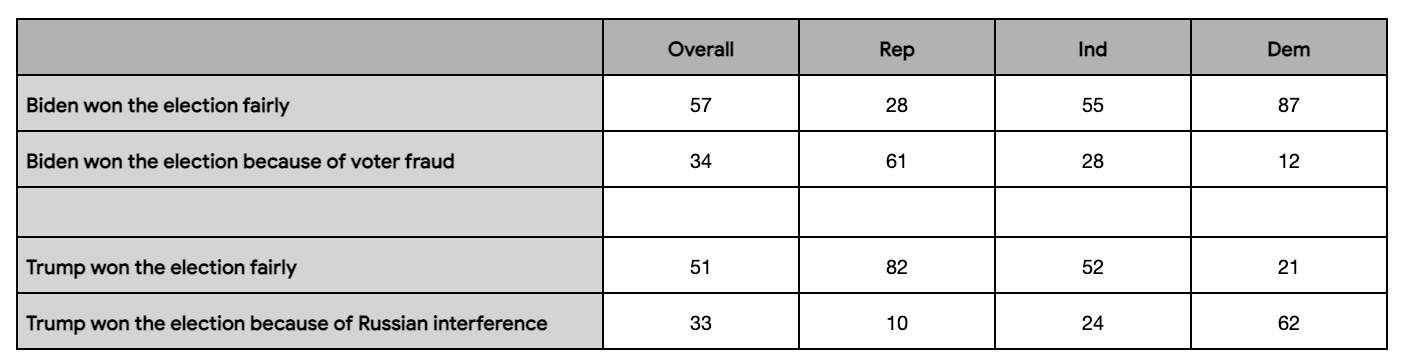
In nearly identical numbers, partisans felt their candidate won fairly, and the other guy did not. Remarkably, only 19% of the country believed that both Biden and Trump won their elections fairly.
Winston told Secrets that 62% of Democrats believe Trump was elected “because of Russian interference” and that 61% of Republicans believe Biden was elected because of fraud.
And both sides, 87% of Democrats and 82% of Republicans, believe their guy won fairly. Slight majorities of independents said both Trump and Biden won fairly.
The pollster, president of the Winston Group and a strategic adviser to House and Senate Republicans, said the results are concerning and demand a more bipartisan approach to election reform and strengthening than Congress and the states are considering.
“The key to a successful democracy is that those of the party that lost accept the results. And what these two elections are showing us is that in each one, 6 out of 10 of those voters are not accepting the results. This is a problem that faces both parties and is now a national problem,” said Winston.
“The challenge facing the country is to bolster confidence in the results, so the electorate trusts the results because this is the core element of a successful democracy,” he added.
Bipartisanship appears unlikely, however, as Democrats push to ease ballot security in Washington and GOP-led states push for stronger ballot protections, including voter identification.
“This is significant for policymakers. If people are going to trust policymakers’ actions, policymakers need to ensure that people trust that they got elected,” argued Winston, who often helps GOP leaders with issue development.
Winston’s hope is that his data showing voter doubt is not just one party’s problem will spur action.
“Everyone needs to sit down and come up with a common set of things that need to be done that everybody agrees on because that’s the only way you’re going to achieve broad-based confidence in election results,” he said.