
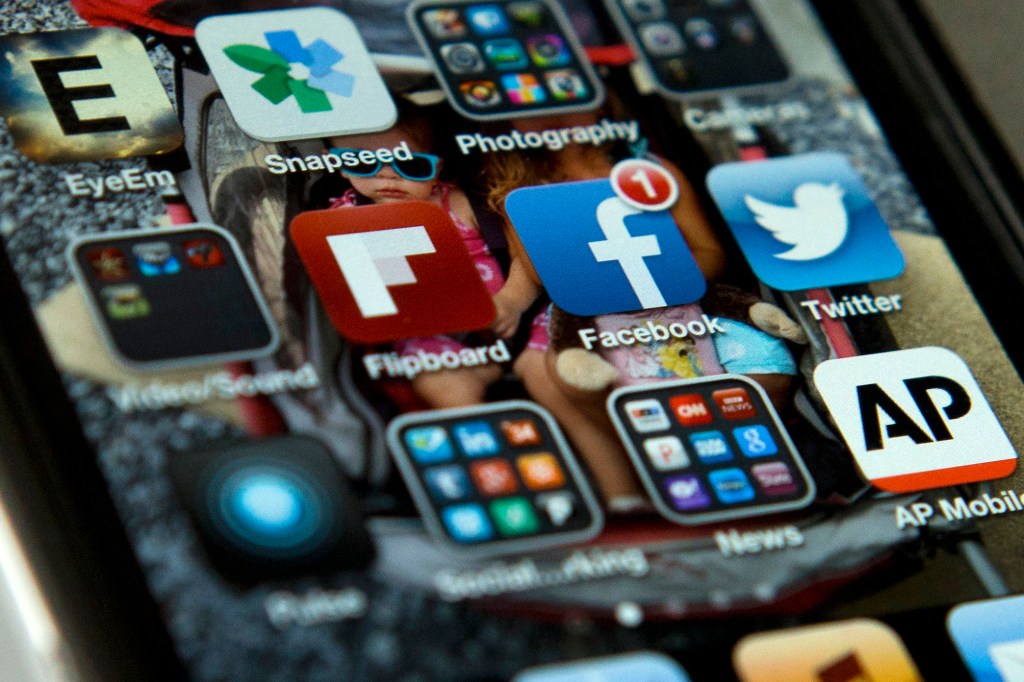
The decline of free speech on campus may be linked to the rise of social media, according to a new Gallup-Knight Foundation survey of U.S. college students.
The study, which surveyed 3,014 U.S. college students, showed that online discourse influences the way students view and use their free speech rights. Both the anonymity factor and blocking features on social media lend to the inability to have civil discussions in person.
Recommended Stories
“We must acknowledge that, for students, the public square has moved online,” Knight Foundation vice president Sam Gill writes.
A majority of students said that most of their social and political discussions take place on social media, 57 percent, instead of in-person on campus, 43 percent.
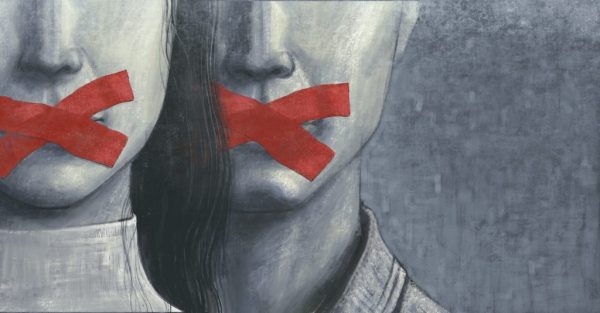
“They increasingly agree that social media can stifle free expression because people can block those whose views they disagree (60 percent) or because people are afraid of being attacked (59 percent),” a press release reads.
The study found that eight in 10 students “agree that the Internet has been responsible for an increase in hate speech.”
Many of these same students believe social media companies are responsible for limiting hate speech as college students say campus expression has shifted online. Nearly seven in 10 students, 68 percent, “strongly or somewhat agree that social media platforms like Facebook and Twitter should be responsible for limiting hate speech on their platforms.”
Also Read: More than 6 in 10 college students say their campus climate is too hostile for free speech
The survey, sponsored by Knight Foundation, the American Council on Education (ACE), the Charles Koch Foundation and the Stanton Foundation, was conducted between November 1 and December 10. The margin of error is 2 percent. It builds upon a 2016 study by Gallup, Knight Foundation and the Newseum Institute.