

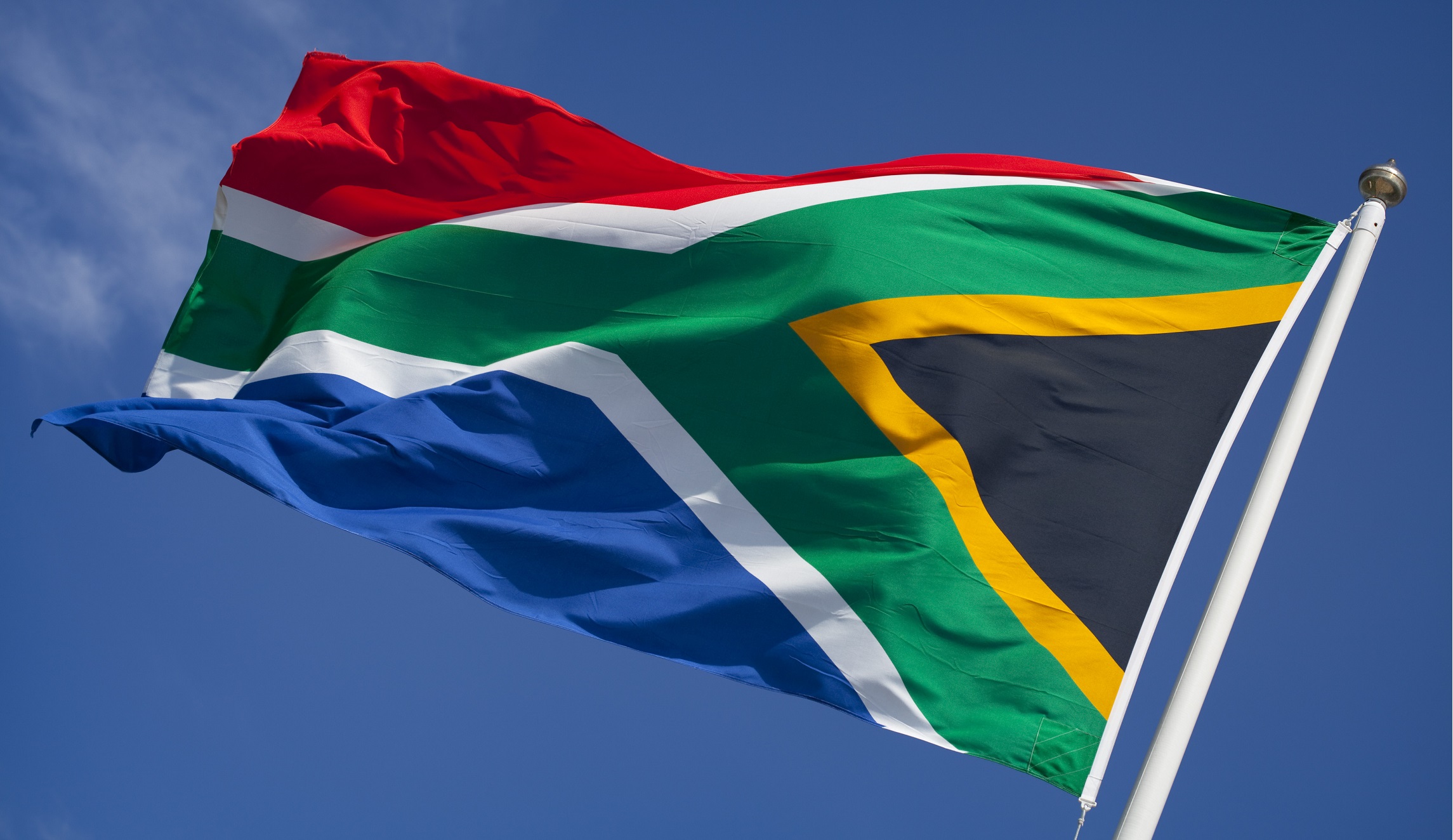
On Feb. 2, 1990, South Africa’s last white president, F. W. de Klerk, rose in that country’s Parliament to unban a number of largely black political parties, including the African National Congress and the South African Communist Party. He also announced Nelson Mandela’s release from jail and the government’s intention to repeal the last remaining apartheid laws.
As De Klerk later noted, the collapse of communism in Central and Eastern Europe in 1989 provided the South African government with a unique opportunity to assuage the concerns of the white electorate, which feared the socialist devastation that befell other parts of Africa after the end of European colonialism, and set the stage for that country’s first multiracial democratic election in 1994.
Stay informed.Stay ahead.
Join Washington Examiner for unlimited access to the news, analysis, and commentary that matter most.
Already a member? Log in
