

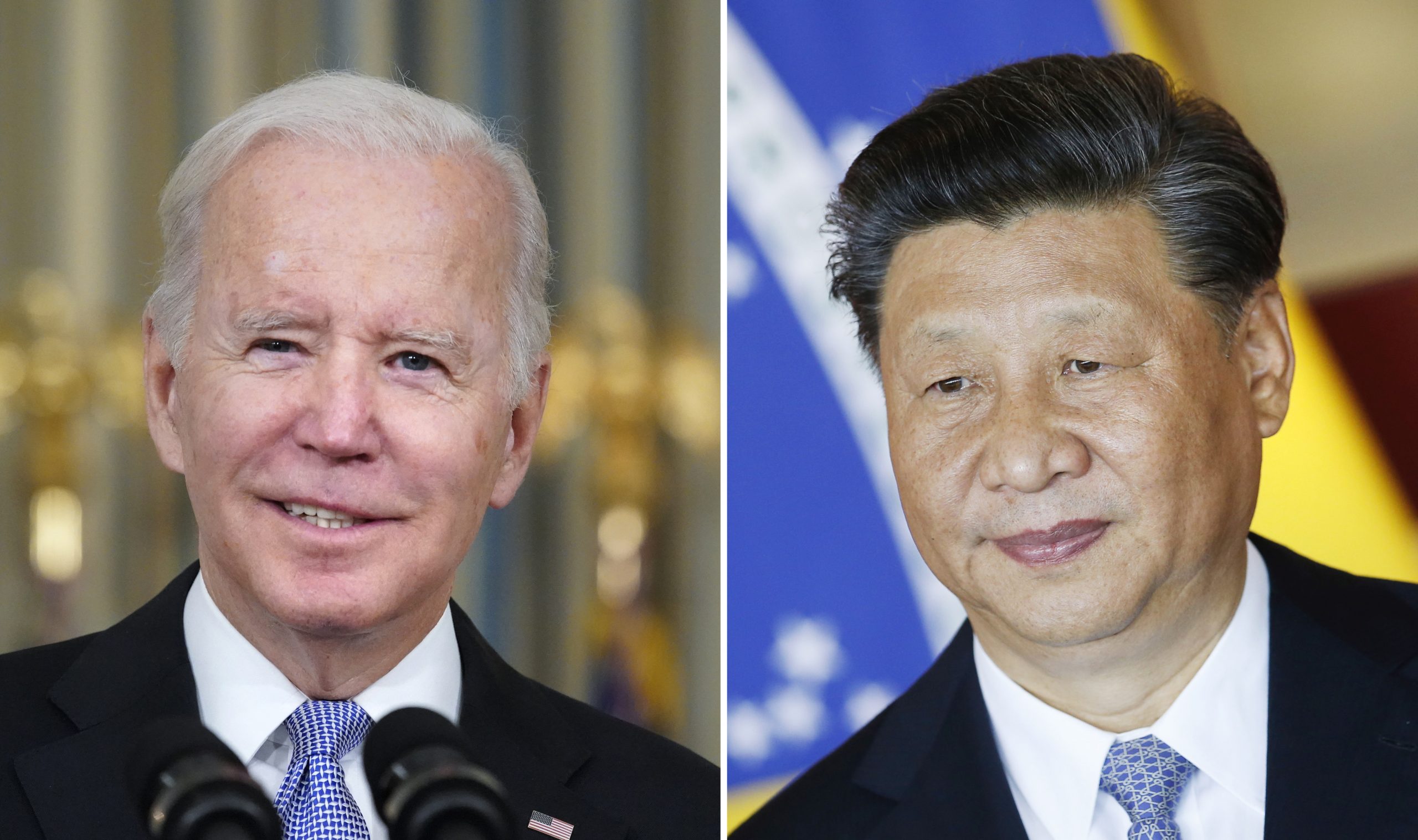
The Biden administration summoned the Chinese ambassador on Thursday to condemn China’s escalatory actions toward Taiwan following Speaker Nancy Pelosi’s visit to the island.
Recommended Stories


Both in the lead-up to and following Pelosi’s visit, Beijing ramped up its rhetoric and conducted more aggressive military drills meant as a show of force against Taiwan and as a message to the United States, while the U.S. maintains that Pelosi’s visit changed nothing about the status quo. In the aftermath of the trip, China also announced it would be enacting eight different measures in response to Pelosi’s visit, which includes suspending conversations between senior-level military commanders on cross-border crime, drug trafficking, and climate change.
CHINA REJECTS US CALL FOR NUCLEAR ARMS CONTROL TALKS AMID PELOSI VISIT TO TAIWAN
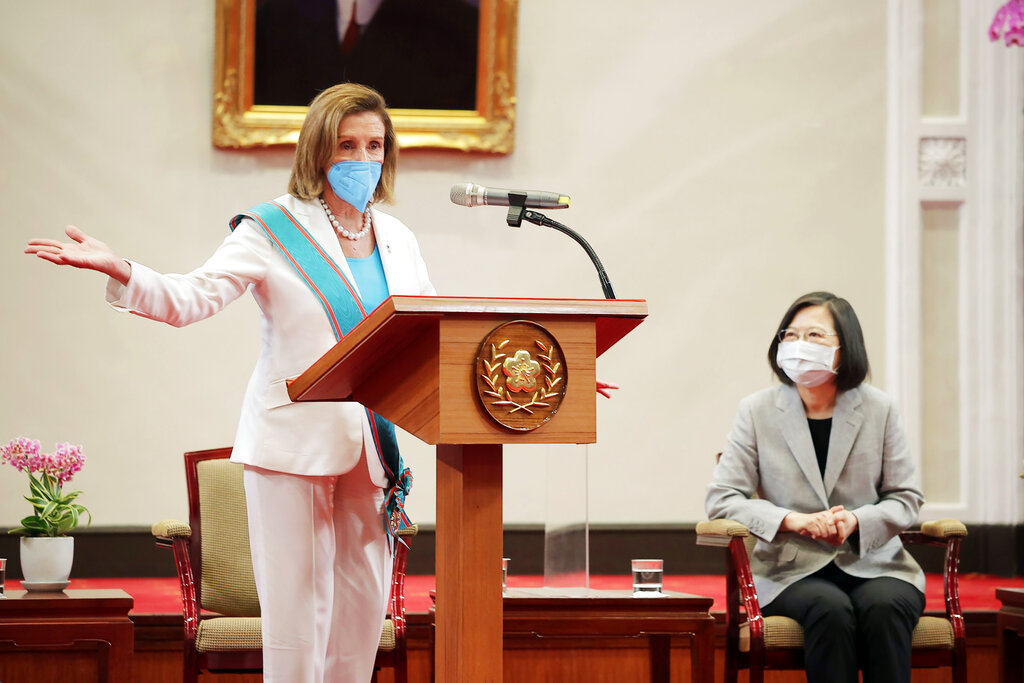
“After China’s actions overnight, we summoned [People’s Republic of China] Ambassador Qin Gang to the White House to démarche him about the PRC’s provocative actions,” National Security Council coordinator John Kirby said in a statement provided to the Washington Examiner. “We condemned the PRC’s military actions, which are irresponsible and at odds with our long-standing goal of maintaining peace and stability across the Taiwan Strait.”
Kurt Campbell, deputy assistant to President Biden and coordinator for Indo-Pacific affairs on the National Security Council, was the administration official who met with Qin, according to the Washington Post.
“We made clear to the Ambassador that Beijing’s actions are of concern to Taiwan, to us, and to our partners around the world,” Kirby added. “We highlighted yesterday’s G7 statement rejecting Beijing’s attempt to coerce and intimidate Taiwan, and expressed our support for ASEAN’s statement overnight about the importance of de-escalating tensions.”
China’s recent military maneuvers include deploying 68 military aircraft and 13 vessels around the Taiwan Strait on Friday, according to Taiwanese officials.
“There should be no questions about our strong capability to do so,” Chinese Foreign Ministry spokeswoman Hua Chunying told reporters days ago. “Our countermeasures will be strong, effective, and resolute, which will be felt gradually and continuously by the U.S. side and the ‘Taiwan independence’ separatists.”
The Chinese Foreign Ministry announced on Thursday sanctions against Pelosi and her family for her “disregard of China’s grave concerns and firm opposition” to her Taiwan visit.
While China continues to escalate tensions between the two countries, Kirby said the U.S. continues to believe that Pelosi’s visit changed nothing about U.S. policy, whereas Beijing disagrees.
“Finally, we made clear once again as we have done privately at the highest levels and publicly: Nothing has changed about our One China policy,” he said. “We also made clear that the United States is prepared for what Beijing chooses to do. We will not seek and do not want a crisis. At the same time, we will not be deterred from operating in the seas and skies of the Western Pacific, consistent with international law, as we have for decades — supporting Taiwan and defending a free and open Indo-Pacific.”
CLICK HERE TO READ MORE FROM THE WASHINGTON EXAMINER
The former Pentagon spokesman has accused the Chinese Communist Party of manufacturing a crisis to further its own goals during White House briefings this week.
“There’s no reason for this manufactured crisis to exist. The Chinese have used Speaker Pelosi trip as a pretext,” he outlined. “Yes, they’re claiming it’s a protest. I got it, but it’s also a pretext, to try to up the ante intentionally to actually try to set a new status quo, to get to a new normal, where they think they can compete. And my point in coming out here today was to make it clear that we’re not going to accept this new status quo.”
The U.S. delayed a scheduled intercontinental ballistic missile test, Kirby announced on Thursday, to avoid potentially escalating tensions with China.
