
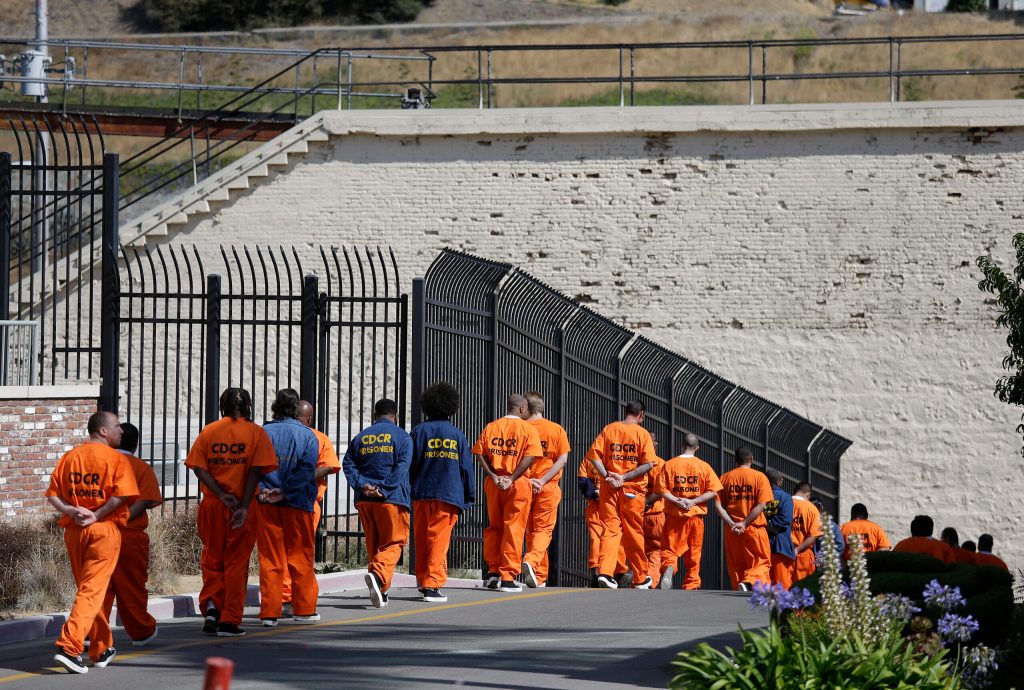
For the past 40 years, almost every criminal justice innovation that was touted as “improving public safety” really meant increasing incarceration.
Widespread pretrial detention, mandatory minimums, dismantling parole, stop-and-frisk, longer prison sentences — all of these tough-on-crime measures had the overriding aim of reducing the risk of crime. But even if incarceration reduced the risk of crime, and there is some evidence that it does in the short term, there are long-term countervailing fiscal, legal, and moral considerations that should be taken into account. In the midst of the coronavirus pandemic, there are critical health considerations as well.
Recommended Stories


Print subscriber? Click here to login/register your account
Digital subscriber? Click here to login/register your account.