

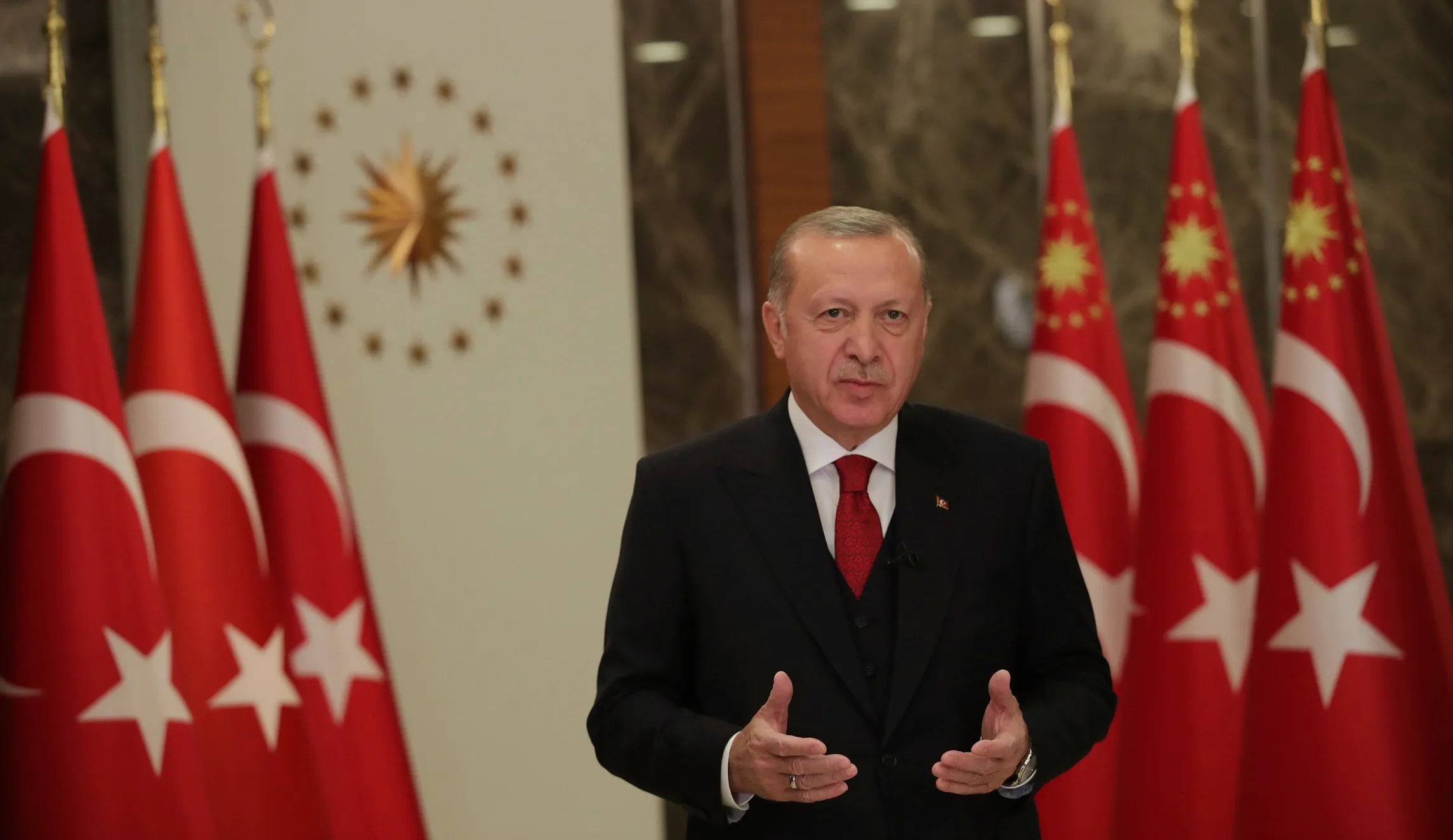
There is no longer any doubt that Recep Tayyip Erdogan is an autocrat and an Islamist. He seeks to monopolize power, accumulate wealth for his immediate family, and change the principles upon which Turkish society operates. Turkey, however, like Saudi Arabia and Pakistan, maintains a strange romanticism among many of the diplomats who served there. The hospitality in each country is legendary, and each offers golden parachutes to former ambassadors in terms of lobbying or business opportunities, consultancies, or open doors to fundraising for those entering the university, think tank, or nonprofit realm. The result is vocal informal lobbies of those sympathetic to these national narratives within the U.S. policy debate.
Turkey’s behavior has, for decades, been inexcusable: support for al Qaeda affiliates and the Islamic State, ethnic cleansing against the Kurds in Syria and, more recently, the bombardment of Kurdish villages in Iraq hampering resettlement efforts for those displaced by the Islamic State, theft of natural resources from Cyprus’s exclusive economic zone, sanctions-busting with Iran, increased defense links with Russia, anti-American incitement, and a full-scale war on freedom of press and thought. Still, a small Turkey cabal within the State Department and some fellow travelers outside continue to apologize for Turkish behavior. They offer three main lines of argument.
Stay informed.Stay ahead.
Join Washington Examiner for unlimited access to the news, analysis, and commentary that matter most.
Already a member? Log in
