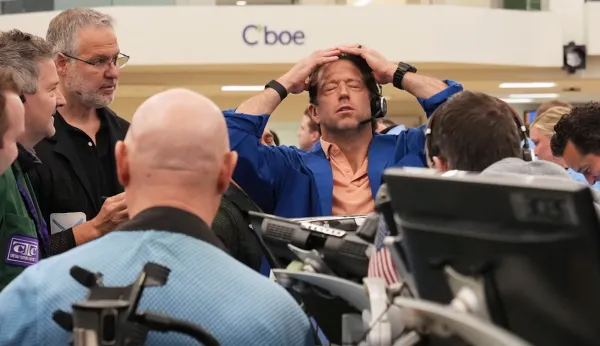
Trouble ahead. Almost exactly two years ago economists discovered that the problems in the housing and mortgage markets had spread to the financial sector. Subprime mortgages proved highly infectious, a couple of Bear Stearns funds collapsed, banks suddenly looked at their neighbors with such suspicion that they refused to lend to them, and economists dusted off their copies of histories of the Great Depression, looking for a guide to the future.
One year later they returned those books to the shelves as the “real economy” seemed to prove itself resistant to the diseases afflicting those greedy, over-bonused bankers. But summer’s lease on a recovery proved all too short, and in a few months there was a run on the essays of one Ben Bernanke, in an effort to learn what the Federal Reserve Board chairman had in mind to stop the rush to economic collapse. We discovered that he was indeed in the great tradition of Walter Bagehot, who wisely advised in 1873 that “whatever bank or banks keep the ultimate banking reserve of the country must lend that reserve more freely in time of apprehension.” The Fed not only pumped money into a frozen credit system to thaw it out, but joined the federal government in inventing new ways to cope with what was clearly a panic.