Donald Trump can attract a crowd, but can he build an army?
The Republican Party will attempt to answer that question on June 11 with its first “national day of action” since Trump was crowned its presumptive presidential nominee.
Recommended Stories
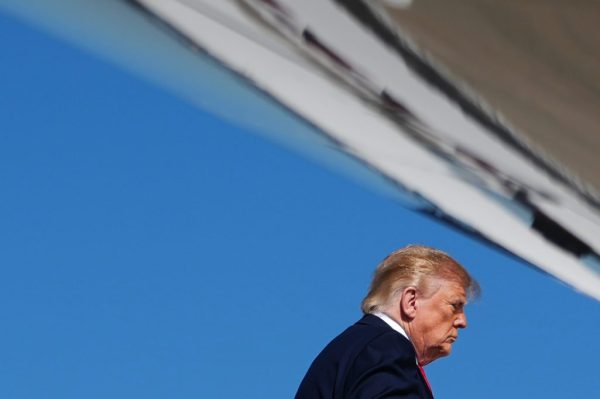
In concert with the Trump campaign, the Republican National Committee is holding a call to arms in 11 battleground states for volunteers committed to electing the New York businessman the next president.
Their willingness to sign on for the mundane but crucial work of manning phone banks, registering voters and knocking on doors in the blistering summer heat could determine Trump’s fate against Hillary Clinton.
“It’s our job to get them activated, and doing things that are actually meaningful toward his election,” said Chris Carr, political director at the Republican National Committee.
Trump leveraged his celebrity to win a competitive primary on the strength of mass rallies and blanket television coverage. He overwhelmed a field of qualified candidates who offered more policy details and assembled more technically proficient campaigns.
Outside of the operation he deployed for the Iowa caucuses, Trump eschewed traditional field organizing. The RNC is moving to change all of that by integrating the Trump campaign into its robust field and data operations as it accelerates preparations for the general election.
That process includes building a grassroots army of thousands of volunteers. Doing that requires recruitment and training, and that’s what the June “day of action” is for.
In the battleground states of Colorado, Florida, Iowa, Michigan, New Hampshire, Nevada, North Carolina, Ohio, Pennsylvania, Virginia and Wisconsin — plus California, New York and Utah, RNC team leaders will spend the day teaching recruits campaign skills like voter registration and pitching voters at their front doors and on the phone. Then, these new volunteers will head out into the field to practice what they’ve learned.
In each state, there will be several regional trainings, according to how many political “turfs,” or sub-battlegrounds, are determined by the GOP’s voter data. So, in Florida, there will be 20 different training sessions. For the first time, the RNC will send out invitations to participate to Trump’s email list.
Chris Young, the RNC’s national field director, described Trump’s list of supporters as “untapped, and huge.”
The RNC has had field staff in the battlegrounds states for several months, and in some cases up to two years. The national party committee held a “day of action” last October to test its systems for volunteer training.
The June 11 training marks the first time that RNC will be collaborating with Trump, leading to much anticipation about whether an unorthodox candidate can motivate his followers to participate in traditional political activities the candidate has occasionally dismissed as overrated.
Based on a test-run conducted last Saturday in seven communities around Nevada to iron out any glitches in advance of next month’s national training, RNC officials are hopeful about what’s achievable.
Attendance numbered 264, boosted 30 percent above the initial RSVPs after the Trump campaign sent out Friday afternoon email to its Nevada list inviting supporters to participate.
RNC organizers with previous grassroots experience in the state say most attendees were first time volunteers. Very few recognizable faces from previous election cycles showed up.
This leads Carr to believe that the people Trump has attracted to the political process are “very hungry, very eager, very excited that there is a structure in the state to actually help manage a voter contact program.”
The RNC is continuing to beef up its field program, an important effort given how thin the Trump campaign is on the ground in the states that will decide the 2016 election. Currently, paid staff numbers as follows:
Colorado, 21; Florida, 31; Iowa, 16; Michigan, 9; New Hampshire, 9; Nevada, 15; North Carolina, 15; Ohio, 49; Pennsylvania, 13; Virginia, 23 and Wisconsin, 14. The RNC also boasts 3,200 trained, unpaid volunteers in those and 20 additional states.