Vaccine mandates are a touchy subject because COVID-19 is a touchy subject. Along with masks, vaccine requirements have taken on religious weight as refusers cite conscience objections and much of the secular Left adopts the garb and rituals of COVID mitigation as objects of faith and symbols of a tribe.
Another reason vaccine mandates and requirements are so contentious is that the public discourse around them is hopelessly murky, thanks to conflations, imprecisions, and distortions. It’s crucial for commentators, employers, and policymakers to sort some things out.
Recommended Stories
For starters, here’s my perspective so that you know where I am coming from:
I am vaccinated, and I encourage all my friends, family, and readers to get vaccinated. All the evidence suggests that the vaccines save lives and prevent hospitalization. Reducing the worst effects of the coronavirus will have a secondary effect of making it easier to end lockdowns, mask requirements, and fear.
Also, I have many dear friends and family who refuse to get the vaccines. Some simply don’t trust never-before-deployed technology, and others see the vaccines as too ethically tainted because cell lines used in testing or development of the vaccines were derived from babies killed in abortions. I don’t share these objections. I think they are wrong. I also think they are understandable.
So, if you agree with me that vaccines are good, but refusing a vaccine is not a crime, who should impose vaccine requirements, on whom, and in what manner?
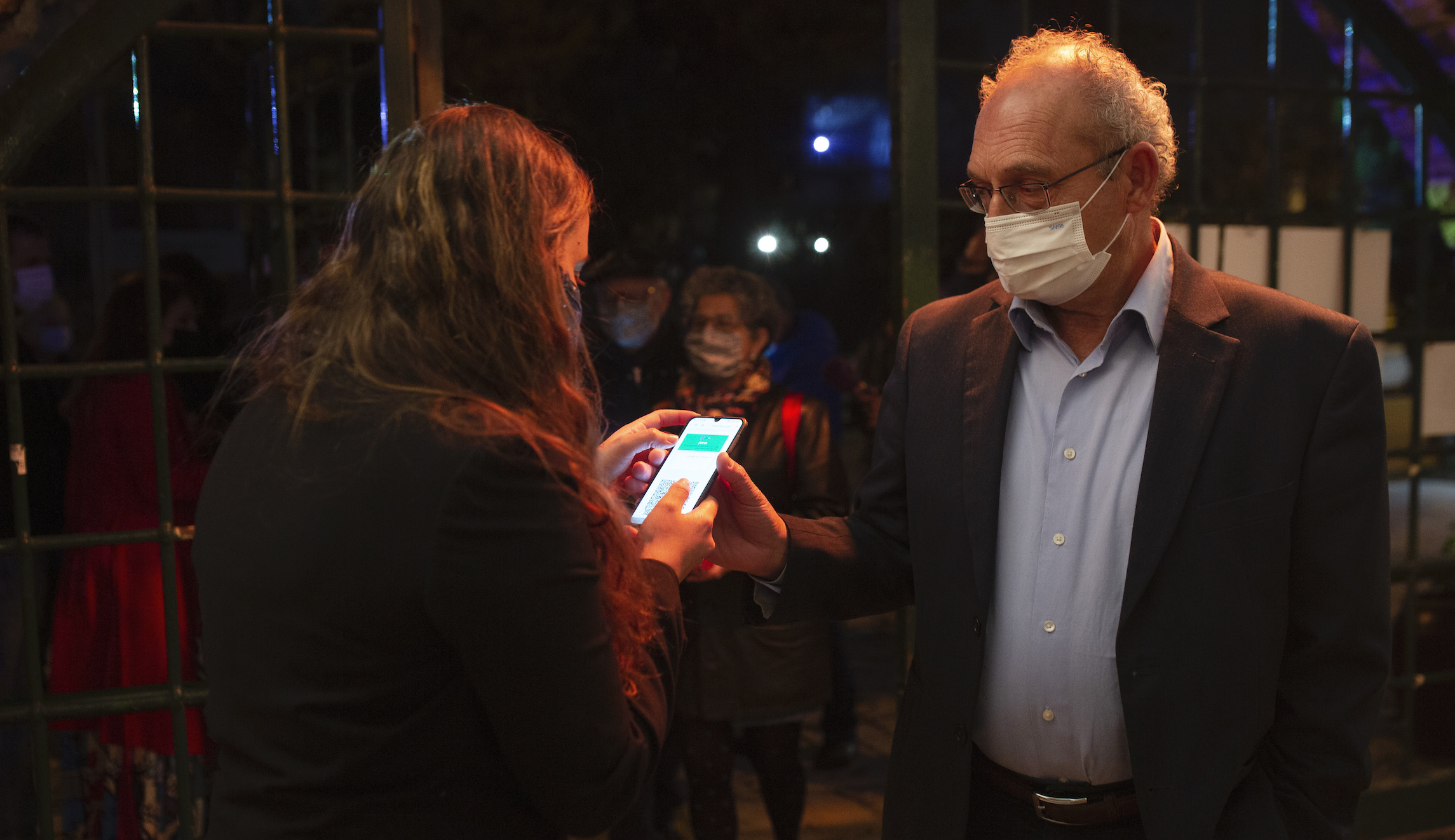
First, I would say that most public facilities (such as bars, concert halls, restaurants, stores) should not require proof of vaccination at the door. Having strangers demand extra credentials that are slightly more personal than proof of age is off-putting. It creates a sense of exclusion, and in practice in the United States, it will be discriminatory. It also could trigger a black market in fake vaccine cards.
For a cruise or a resort (where the booking, planning, and stay all happen on a longer time frame), a vaccine requirement is more reasonable.
But the most fitting locus of a vaccine mandate is probably the place of employment. Your employer already knows all sorts of personal stuff about you. Your employer already places all sorts of conditions on your employment. And your workplace is the place where (a) you are most likely to spend long amounts of time, and (b) other very COVID-wary people would have the hardest time opting out. That is, if a colleague has a very vulnerable in-law living with her or is about to take an international trip, she might have a good reason to very much not want to get even a minor case. That person probably ought to avoid packed bars and their favorite band at the 9:30 Club, but it might be pretty hard for that person to avoid work.
So, what about the true conscientious objectors? Should they lose their jobs?
No, but there are a few ways to handle them.
First, an employer is more likely to be in a position to demand that any objectors object only on sincere conscience or health grounds. Ask for a signature, which is morally and legally binding, beneath a sworn statement of valid grounds for exemptions. This will limit the number of objectors.
Most employers or colleges I know of give an alternative to vaccination that is at once more burdensome than getting a vaccine and at least partly mitigates the risk of spread. Some places have “mask or vax” rules that require masking from any employee who is unvaccinated. More common in my experience is a weekly testing requirement for the unvaccinated. (Health policy experts I know say this should be at least twice a week.)
With these options, you don’t have to think of it as a vaccine requirement. It’s a mask mandate or a testing mandate that has an exemption for the fully vaccinated.
Here’s one more consideration: Prudence and fairness may require us to count prior infection as proof of immunity. There’s mixed evidence on the relative value of prior infection versus vaccination, but at least one recent study found that you want to avoid getting sick, you’re safer being surrounded by people who already had COVID-19 than being surrounded by people who got their shots.
So, vaccine requirements should be limited to employers or colleges, and there should be ways to opt out, such as twice-a-week testing. This will preserve some privacy, limit conflicts, encourage vaccination, decrease fear, and reduce spread by the unvaccinated.
