

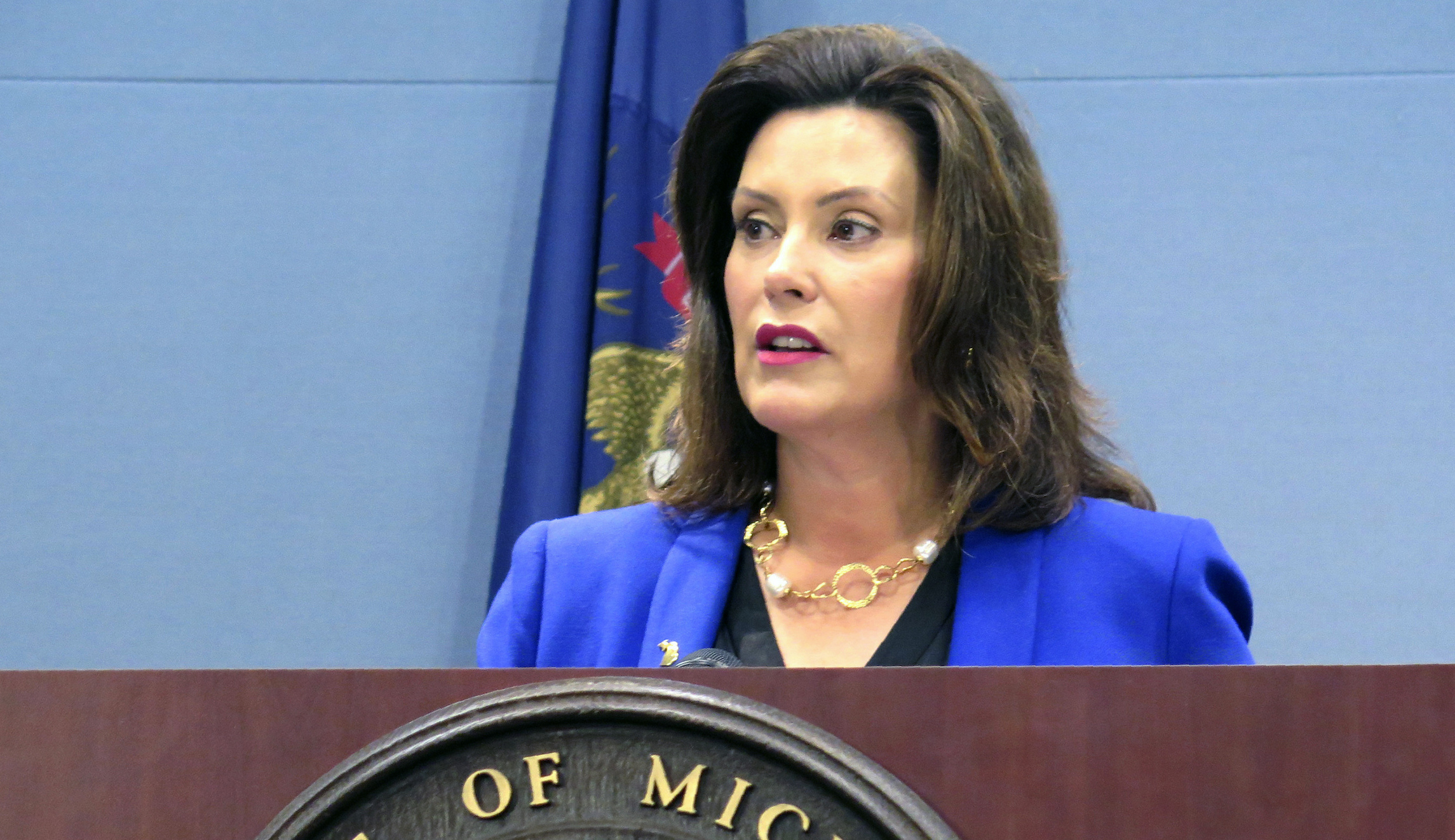
Gov. Gretchen Whitmer said Wednesday she is closing indoor service at Michigan bars as a proactive measure to prevent the resurgence of coronavirus in the state.
The governor issued Executive Order 2020-143 on Wednesday afternoon, likely in response to more than 100 COVID-19 cases recently linked to Harper’s Restaurant and Brew Pub in East Lansing in a so-called “super-spreader” incident.
Recommended Stories


The order excludes Regions 6 and 8, which, respectively, are the Upper Peninsula and a large swath of northern Michigan.
Establishments with outdoor seating will be allowed to stay open throughout the state.
Any establishment that earns more than 70 percent of its gross receipts from on-premise alcohol sales is subject to the governor’s order, which, according to the release, exempts most brewpubs, distilleries and vineyards. Local bars, nightclubs and adult entertainment establishments featuring exotic dancers must end all indoor service.
“We owe it to our front line heroes who have sacrificed so much during this crisis to do everything we can to slow the spread of COVID-19 and reduce the chance of a resurgence like we are seeing in other states,” Whitmer said in a statement.
“Following recent outbreaks tied to bars, I am taking this action today to slow the spread of the virus and keep people safe. If we want to be in a strong position to reopen schools for in-person classroom instruction this fall, then we need to take aggressive action right now to ensure we don’t wipe out all the progress we have made.”
Whitmer also signed a number of bills into law, which will allow bars and restaurants to serve cocktails-to-go.
According to the governor’s press release, Michigan has witnessed an upward trend in new cases of COVID-19. The Grand Rapids, Lansing and Kalamazoo regions are reporting case counts exceeding 20 cases per million. Additionally, the release stated, more than 25 percent of COVID-19 diagnoses in June involved a younger demographic between the ages of 20 and 29. That number was 16 percent the previous month.
“That shift aligns with national trends, and the evidence suggests that young people may be driving a new phase of the pandemic,” the release stated.
