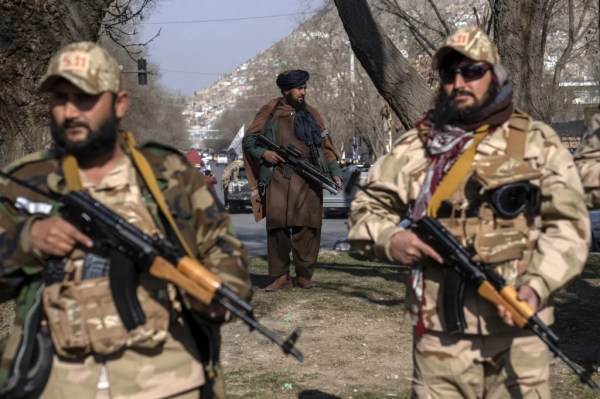
Amnesty International released a report last week presenting evidence of Taliban war crimes in Afghanistan’s Panjshir province, the base of operations for opposition forces belonging to the National Resistance Front. The nongovernmental organization has put forward horrifying proof of “torture and other ill-treatment, extrajudicial executions, hostage-taking, the intentional burning of civilian homes, and arbitrary deprivation of liberty,” finding that the Taliban’s “conduct in sum constitutes collective punishment, which is in itself a war crime.”
The report’s depth of detail is striking considering the range of impediments Amnesty International faced in collecting data. The NGO’s team could not travel to Panjshir because of “security concerns and access restrictions.” Because citizens in Panjshir are under curfew, live with restricted access to smartphones, and have limited internet connectivity, most of the people whom Amnesty International interviewed had escaped the province.