

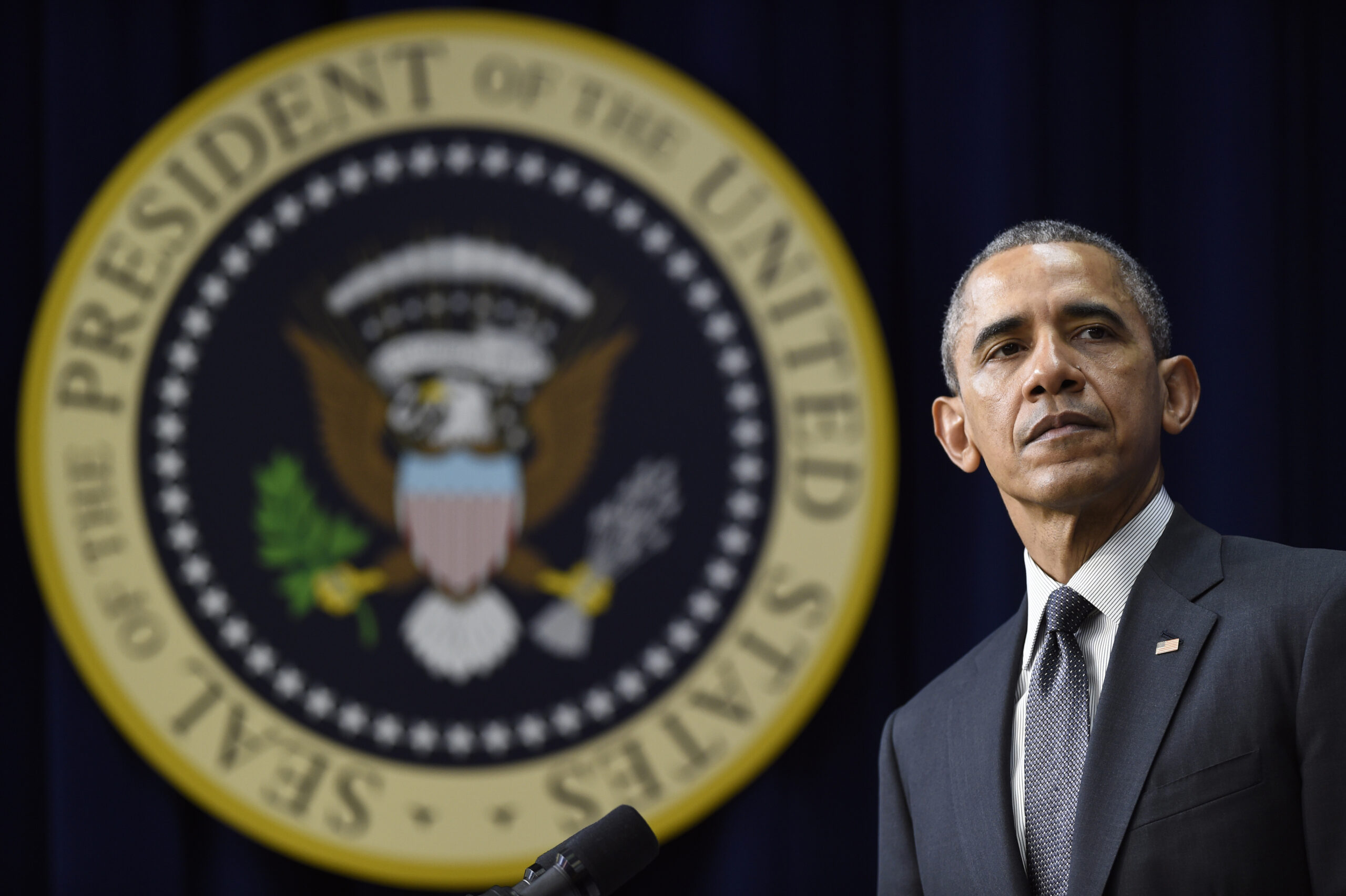
After six years of trying to ditch President Obama’s signature healthcare law, Republicans have finally managed to send a major Obamacare repeal bill to his desk.
The president has promised to veto the legislation, but for the GOP, it represents a year of intensive legislative maneuvering to create a roadmap for the parts of the law they might be able to ditch should a Republican seize the White House next year.
Stay informed.Stay ahead.
Join Washington Examiner for unlimited access to the news, analysis, and commentary that matter most.
Already a member? Log in
The House passed a final version of the bill late Wednesday afternoon, with Republicans seizing the opportunity to again air their grievances with the Affordable Care Act, fault Obama for passing it and recommit themselves to getting rid of it if voters hand them the opportunity in November. The final vote was 240-181, with one Democrat voting for the bill and three Republicans voting against it.
“We’ve worked hard — I’d say relentlessly — to make this day happen,” said House Majority Leader Kevin McCarthy. “People are hurting under Obamacare, and now Congress will put it to the president and hold him accountable for the terrible policies this administration has pursued.”
Health and Human Services Secretary Sylvia Mathews Burwell issued a strong disapproval of the repeal legislation, saying that by vetoing it, Obama will protect Americans from abuses by the insurance industry prior to the law.
“[The bill] would roll back historic reductions in the uninsured rate, eliminate reforms that are helping slow health care cost growth and improve quality, reduce access to health care for women and families across the country, and deprive all Americans of the [Affordable Care Act’s] improved consumer protections no matter where they buy health insurance.”
The legislation repeals the law’s biggest provisions, including its individual and employer mandates, its taxes on insurers and medical device manufacturers and its Medicaid expansion and insurance subsidies, although the latter two provisions wouldn’t kick in for two years.
The bill also contains a prohibition on Planned Parenthood receiving federal funds for one year, mainly through reimbursements to the women’s health and abortion provider for caring for Medicaid patients. Republicans tacked on that provision as a way to express their outrage at a series of undercover videos highlighting how some Planned Parenthood centers used to get paid for aborted fetal tissue.
Ever since Congress passed the Affordable Care Act in 2010, through a special process called budget reconciliation that left many Republicans seething, the GOP-led House has voted more than 70 times to repeal parts of the law.
Except for a handful of changes Democrats have agreed to, the bills generally have been blocked by Senate Democrats, who controlled the chamber until last year but still retain enough seats to filibuster legislation. To push their Obamacare repeal bill through, Republicans turned again to the budget reconcilation process since it requires just a simple Senate majority.
Even so, Obama has said he will veto the bill. The House is expected to vote to override the veto, which requires a two-thirds majority, but Republicans don’t have enough votes in the Senate to do the same. That’s a relief to Democrats, who sharply criticized their GOP colleagues for continuing efforts to repeal legislation which has extended insurance coverage to millions of Americans for the first time.
“This is a sad and shameful way to begin the new year here in the U.S. Congress,” said Rep. Chris Van Hollen, D-Md. “While the calendar has changed, the Tea Party Republican agenda remains the same. Despite all the pressing issues we face in this country, the first thing Republicans decide to bring to the floor of the House was to take away access to affordable care to 22 million Americans.”
But while their efforts won’t succeed this year, Republicans are hopeful that by going through the exercise of crafting the bill, they have created a template for how they would be able to repeal most of the law if they win the presidency and keep control of the Senate next year.
Most of the law’s major provisions have been in effect for several years, most notably its online insurance marketplaces where low and middle-income Americans can get federal subsidies for buying coverage and its expansion of Medicaid.
The coverage expansions have caused the U.S. uninsured rate to dip from about 18 percent down to 12 percent, a victory for the Obama administration. But the insurance plans offered on the marketplaces have been criticized for costing too much, and major insurers have indicated they’re losing money on the new enrollees. One of them, UnitedHealth Group, has said it might pull out of the marketplace after the current enrollment season ends at the end of January.
