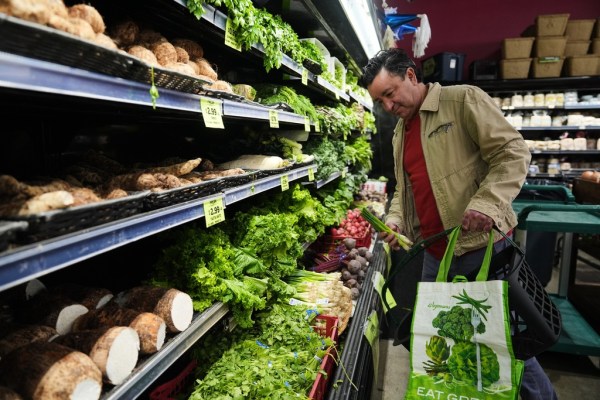
On the northern cusp of Portland, Ore., the St. Johns district is certainly no “food desert,” the new term activists use for mostly low-income neighborhoods that are short on grocery stores. A 54,000-square-foot Safeway supermarket dominates the area, selling fresh produce, meat and frozen goods. Just a few blocks away stands a 13,500-square-foot Grocery Outlet, retailing food, fresh and otherwise, at steep discounts. And a small neighborhood store, Proper Eats, specializes in organic and vegan groceries.
Yet thanks to a program called the Healthy Retail Initiative — administered by Multnomah County, home of Portland, and funded by federal money from the Centers for Disease Control and Prevention — another neighborhood store, El Compadre Market, has received taxpayer money to “increase community access to healthy, affordable food.” El Compadre, which doubles as a restaurant selling greasy burritos and hamburgers, has received $4,500 in public money to buy grains and install a walk-in freezer. So far, Multnomah County has doled out grants of up to $4,500 each to at least 22 Portland stores, all in the name of providing “access” to fresh food. Many recipients, like El Compadre, stand in close proximity to grocery stores.