The mammoth, profitable, well-capitalized corporations that have pocketed hundreds of billions of dollars in federal subsidies from President Obama’s favorite taxpayer-backed bank are correct when they say they may suffer if Congress doesn’t bring back those subsidies.
But those manufacturing titans are wrong when they claim they can’t finance their exports without taxpayer backing. And all the evidence undercuts their scare stories that they are offshoring jobs due to the expiration of the Export-Import Bank.
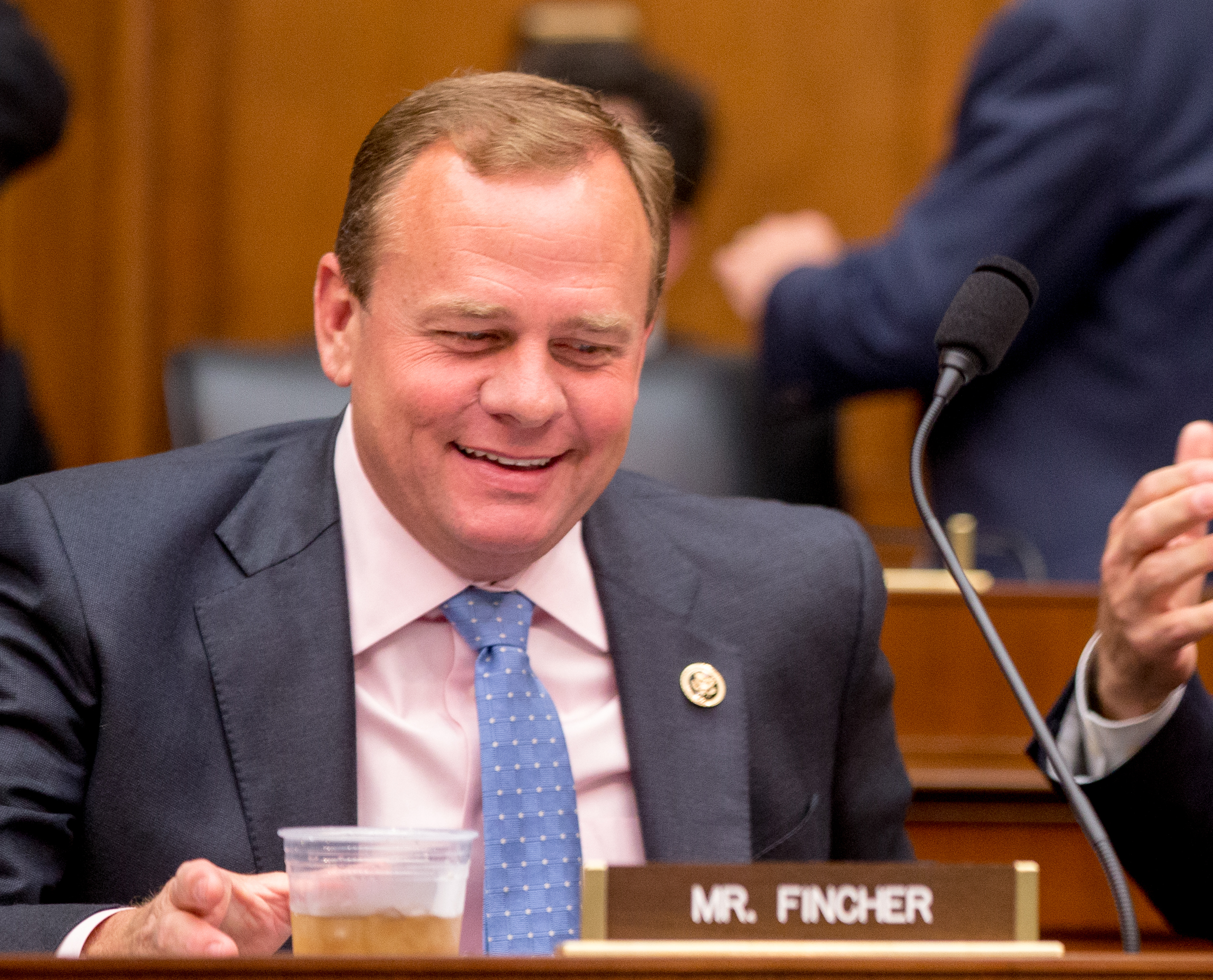
K Street Republicans such as Tennessee’s Stephen Fincher are teaming up with Nancy Pelosi and the Obama White House this week to try and revive Ex-Im, whose charter expired June 30. The Republican floor leaders and the relevant committee chairmen in both chambers oppose reviving Ex-Im, as do the majority of House and Senate Republicans and nearly every GOP presidential candidate.
Fincher and Pelosi are trying to a bring Ex-Im revival bill to the floor via discharge petition — a rarely used parliamentary technique to circumvent the committee process and the majority leader. K Street is providing air support in the form of dubious layoff announcements and supposedly lost export deals from Ex-Im’s beneficiaries.
Boeing, whose exports eat up 40 percent of Ex-Im’s financing, began the parade of supposed post-Ex-Im casualties. The company announced over the summer that sale to Bermuda-based satellite operator, Asia Broadcast Systems, had fallen through thanks to Ex-Im’s demise. This started the chorus of panic from K Street and Democrats — see, U.S. companies are already suffering.
Boeing’s ABS story isn’t what it appears, though: The sale hasn’t fallen through at all. I’ve been asking the spokeswoman at Boeing’s satellite division for updates on the deal, and she always responds that Boeing and ABS are still trying to make it happen, they just have to find a new source of financing.
In other words, absent a government subsidy, Boeing and its foreign customer have been thrown to the mercies of the marketplace, where financiers extend credit and charge interest based on perceived risk.
The horrors.
When Congress returned to town in September, General Electric greeted them by announcing that 500 turbine jobs would be “moved” to France. Turns out those U.S. jobs (1) didn’t exist yet, but were instead jobs that GE planned to create, (2) may have already been promised to France as part of an earlier merger with French energy giant Alstom and (3) might never be created in France anyway.
More recently, GE announced it would create 350 jobs in Canada making gas turbines, ceasing its turbine production in Waukesha, Wis. The reason: Canada would subsidize its exports while the U.S. can’t, thanks to Ex-Im’s expiration. GE dangled this story, and many journalists and politicians bit. One politician, though, was a bit more skeptical.
“GE wishes to blame the problem on the House of Representatives and that body’s failure to act on the U.S. Export Import Bank,” Wisconsin state Rep. Scott Allen wrote in a release. GE spokesman Patrick “Theisen was eager to connect me with his public relations department to help me gin up a press release blaming Congress and demanding they act. In the same conversation, practically in the same breath, he told me that the decision on the Waukesha plant was made some time ago and that it was irreversible.”
After brushing off the dramatic scare stories the industry issues, it’s valuable to consider Ex-Im’s real effect on the economy.
Many Ex-Im subsidies are simply gravy for the buyer, seller and lender. They are deals that would have happened anyway, and the taxpayer guarantee is just added profit split among the private-sector companies. A Dutch Caterpillar subsidiary, for instance, has received subsidies to buy equipment from Caterpillar. Ex-Im’s “Deal of the Year” last year subsidized the construction of a wind farm that was already operational.
On the margin, though, some deals that are uneconomical without Ex-Im financing become profitable with the subsidy. In these cases, it’s not creating money out of thin air — instead Ex-Im redirects private financing from one deal to another.
Some borrower, whose project was judged slightly more economical than the marginal export, loses out to the U.S.-subsidized foreign buyer.
So there are two possibilities when Ex-Im subsidizes a deal: Free profits for the lucky companies; or resources shifted from market-favored projects to politically favored projects.
The economics is pretty clear cut: Ex-Im is simply redistribution. The anger from the subsidized is real, I’m sure.
Their scare stories of mass layoffs, however, deserve some skepticism.
Timothy P. Carney, The Washington Examiner’s senior political columnist, can be contacted at [email protected]. His column appears Tuesday and Thursday nights on washingtonexaminer.com.

