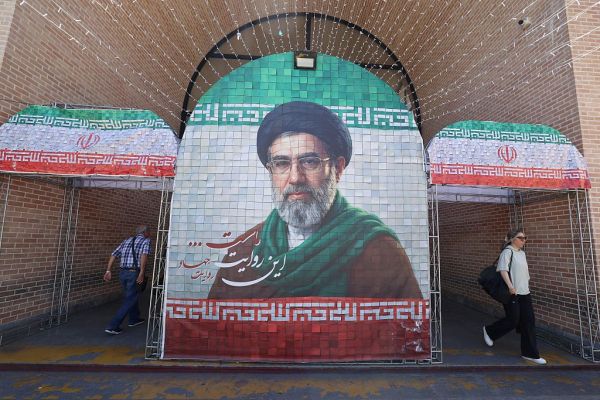
The turmoil brewing over the Iranian elections has given an interesting perspective for those of us 6,340 miles away from the center of riots and protests.
For some it’s considered a democratic revolution, fighting possible voter fraud; for others, it’s a twitter-cratic revolution, showcasing the power of the hive-mind, and the speed of the new media.
In fact, Andrew Sullivan, of The Atlantic has been furiously updating his blog “The Daily Dish” with news pouring out of Iran. His links (warning, violent content) rarely goes to other news sites; but, due to the overabundance of Iranians using social sites, such as twitter, to get their message heard.
The message was heard, especially by CNN, who was heavily criticized by Iranians and Iran election followers. It was perceived that CNN covered the elections only briefly, and ignored the growing protests which were being picked up by other networks.
Twitterers then branded CNN for its lack of reporting on the events in Iran over the weekend by the moniker: #CNNFail.
CNN had originally only reported that Ahmadinejad had won the race, neglecting the protests accusing him of election rigging, and as people filled the streets in protest, CNN didn’t adjust its story.
Sullivan summarizes:
“But even as the sun prepared to rise in the eastern United States, CNN’s Web site was still focusing on Ahmadinejad’s victory and not the fact that massive riots in the streets of Tehran might be a world-changing moment, potentially on par with the failed 1991 coup in the Soviet Union that led to the collapse of the authoritarian government there.”
Since Monday, CNN has begun to cover the demonstrations extensively.
Splicetoday’s Matt Poland, in an article on #CNNFail provides some thoughtful analysis of the twitterer’s efforts.
“Blogs, social media and Twitter have an exceptional capacity for being inane. But clearly so do CNN and the Times…But in the face of overwhelming, quick-changing events in Iran this weekend, smart bloggers like Sullivan have shown that the Internet can be a new version of what the BBC World Service and Voice of America were during the fall of the Soviet Union: a lifeline connecting the world to history as it happens.”