Senate lawmakers reelected party leaders in closed-door elections on Tuesday, signaling no big changes following the Nov. 3 elections.
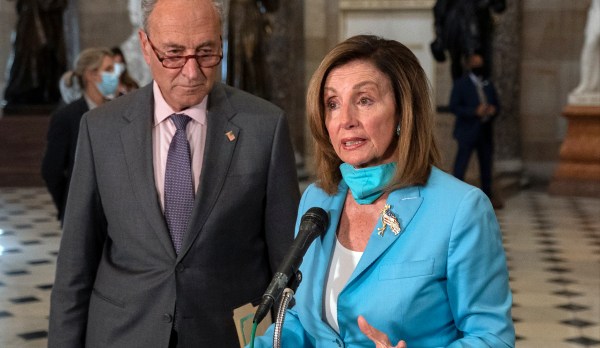
Despite disappointing results in the Nov. 3 election, Senate Democrats reelected Sen. Chuck Schumer of New York as head of the caucus.
It’s not clear whether Schumer or Republican Sen. Mitch McConnell of Kentucky will be the majority leader. Control of the Senate largely hinges on two runoff elections in Georgia.
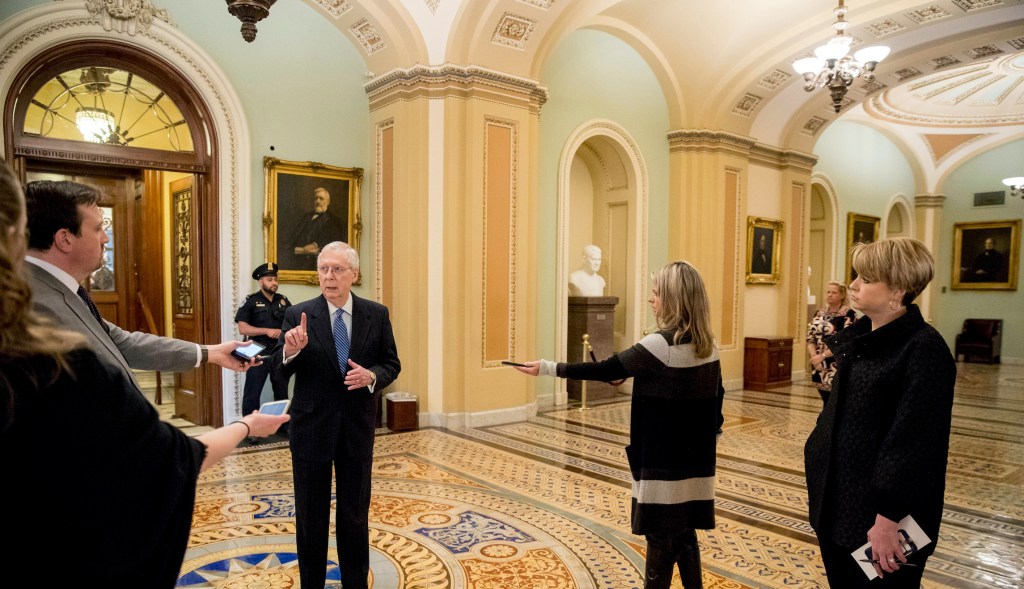
“We are ready to get going even though there is some suspense as to whether we will be in the majority or not,” McConnell said after the election.
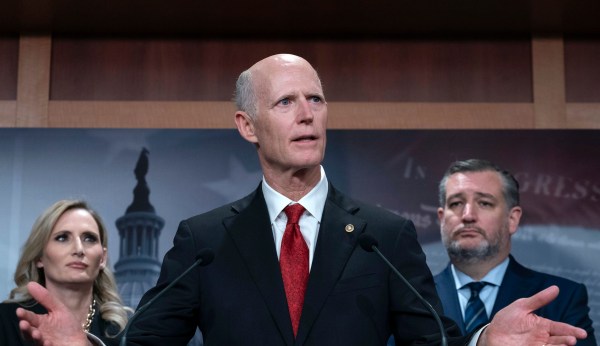
Sen. Rick Scott, a Florida Republican, was elected to the GOP leadership team and will head the GOP Senate campaign arm, the National Republican Senatorial Committee. He will replace Sen. Todd Young of Indiana.
Senate Republicans said the election results signal voters do not support the liberal agenda promoted by prominent members of the Democratic Party.
Republicans were projected by the polls to lose several seats and the Senate majority but defied most projections, winning races in Maine, South Carolina, and likely North Carolina.
Now, they are poised to remain in the majority next year unless Democrats in January can win both Georgia Senate seats, which would give them 50 seats plus a tiebreaking vote of Democrat Kamala Harris, the presumptive vice president-elect.
“The election made it very clear that people across this country reject the agenda that was put forward by the Democrats,” Senate Majority Whip John Thune, a South Dakota Republican, told reporters after Republicans reelected him to his leadership position.