
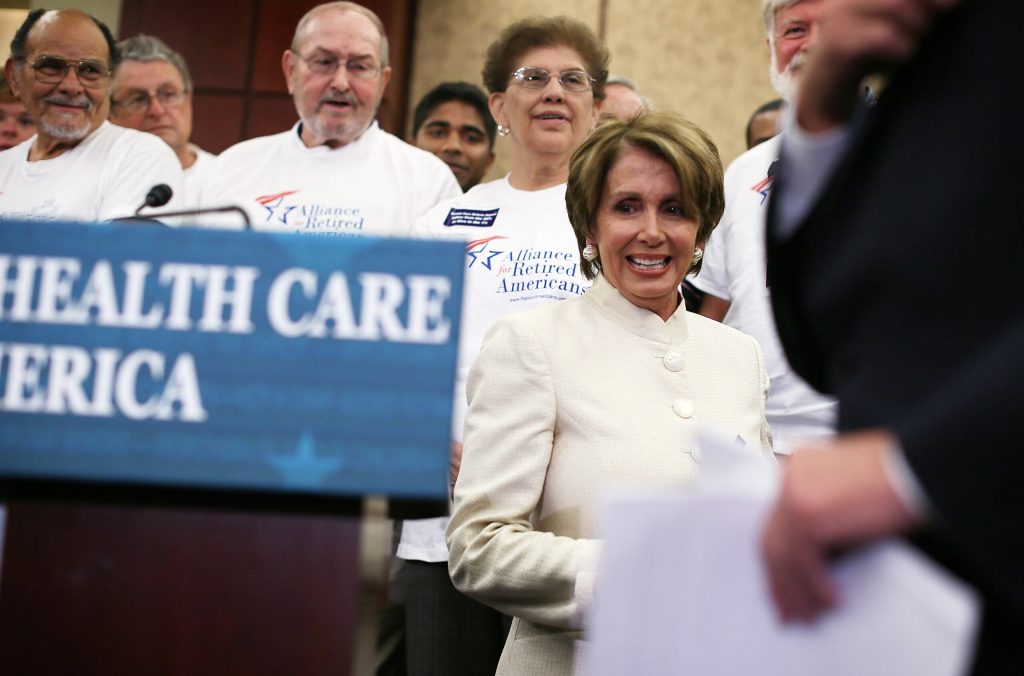
When the Supreme Court ruled 5-4 on June 28 to let Obamacare stand, President Obama said “it’s time for us to move forward.” It’s no surprise that Democrats would want to move on from an issue that caused 63 of their House seats and seven of their Senate seats to flip to the Republicans in 2010. The last time Republicans took control of the House of Representatives from Democrats was 1994, when Democrats unsuccessfully tried to pass a national health care bill.
So it was a little puzzling to see an anonymous “veteran Republican campaign consultant” tell the New York Times before the House voted to repeal Obamacare on July 11 that Republicans would be wise to take the president’s advice and move on from the issue. “Any time Republicans are debating taxes and the economy, we’re winning,” said the GOP consultant. “Any time we’re debating health care, they’re winning.”
Recommended Stories
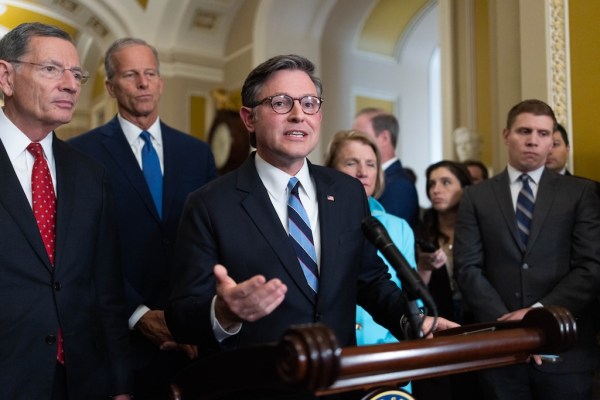

To the contrary, Obamacare is still the most toxic issue for Democrats in 2012. A Newsweek poll taken after the Supreme Court ruling showed only 37 percent of likely voters approved of Obama’s handling of health care, while 58 percent disapproved. Obama’s handling of the economy was viewed more favorably — 47 percent approved, while 49 percent disapproved.
Obamacare not only causes voters to worry about losing their health insurance or seeing premiums skyrocket, it unites center-right voters who care about a wide range of issues. The law alienates the anti-taxers and the budget hawks, religious conservatives and social moderates, the elderly who face Medicare rationing and the young who are mandated to buy expensive insurance they do not need.
In the wake of Chief Justice John Roberts’ jesuitical ruling that Obamacare is a constitutional tax, rather than an unconstitutional mandate, the political debate narrowly focused on whether Obamacare is in fact “a tax.” But Obamacare is not just “a tax” — it’s a hodgepodge of 21 taxes, according to Americans for Tax Reform, on everything from investment income and tanning salons to medical devices, over-the-counter medications and “Cadillac” health insurance plans.
Even though it will hit only the small number of Americans who don’t purchase health insurance, the individual mandate is one of the least popular parts of the bill. But Obamacare’s employer mandate may be far worse than the individual mandate. The law imposes a $2,000- to $3,000-per-job tax on businesses that employ 50 or more people but do not provide health insurance. For employers who currently provide health coverage, Obamacare threatens to drive up the cost of insurance, leading to lower wages and fewer jobs.
Then there’s Obamacare’s eye-popping price tag. According to the Congressional Budget Office, during the first decade it’s in full effect (2014 to 2023), Obamacare will cost about $2 trillion. A decade of Obamacare will cost five times more than the Medicare prescription drug benefit, or two and a half times the financial cost of the Iraq War.
And the $2 trillion estimate is likely much too low. Because of the Supreme Court’s ruling that the federal government can’t deny states all Medicaid funds if they refuse to expand Medicaid, “up to 17 million people will go on Obamacare instead of Medicaid,” says House Budget Committee Chairman Paul Ryan. “We haven’t begun to quantify the cost explosion that’s going to happen.”
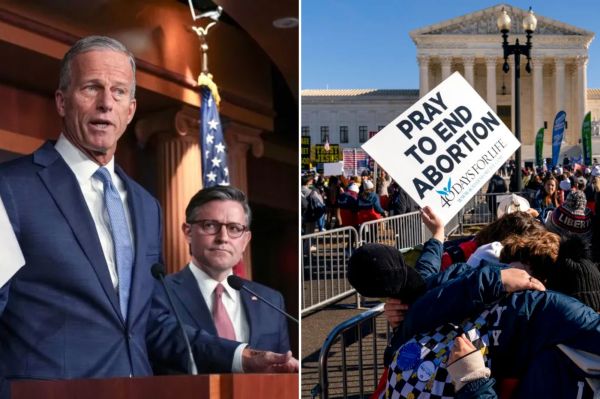
As important as the high cost was in turning the public against Obamacare in 2009, social issues may have played a bigger role. Obamacare was nearly sunk because it allows taxpayer money to be used to purchase health insurance policies that cover abortion on demand.
The Obama administration has mandated that private insurance plans, including those of religious institutions, must cover, at no cost to the recipient, abortion-inducing drugs, as well as contraception and sterilization procedures. Polls show a divided electorate on the “contraception mandate,” but 60 to 70 percent of voters oppose public funding of abortion.
The abortion issue is a big reason running against Obamacare may be better for Mitt Romney than “the economy” in general. The view from the top of the Romney campaign is that pro-lifers are going to vote for them no matter what, so it should focus on swing voters who are primarily motivated by the economy and jobs. Activists may vote for Romney no matter what, but there are indeed swing voters who are conservative on social issues though not on fiscal issues.
John McCormack is a staff writer for The Weekly Standard, from which this is adapted.