
Veterans in Texas might be facing cuts to their college benefits thanks to the skyrocketing cost of college.
For decades, veterans went to public universities and colleges under the Hazlewood Exemption, which kicks in after federal benefits under the G.I. Bill are exhausted. But the price tag has increased sevenfold since 2009, when legislators in Texas – which has the country’s second-highest veteran population, 1.7 million – allowed the benefit to be passed on to veterans’ children under a legacy provision.
Recommended Stories

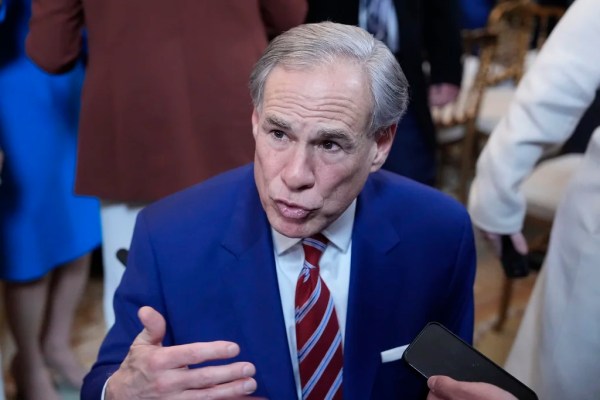

“Everybody’s heart was in the right place when we added all the other beneficiaries,” said Republican Sen. Kel Seliger, chair of the Senate’s higher education committee. But, he added, “it just got too high of a price tag.”
Of the 10 states with the most veterans, only Illinois and Texas waive all tuition and fees for veterans who meet program requirements, according to a Texas Legislative Budget Board report. And Texas is the only state of the 10 to offer full tuition and fee waivers to children, the report said, a decision made in 2009 in tandem with expanding the benefit to include spouses of veterans who were injured, missing or killed in action.
About 39,000 Texas residents used the benefit last fiscal year, at a cost of $169 million, according to the Texas Legislative Budget Board. That’s 576 percent more than before the legacy expansion, when only about 10,000 used the exemption at a cost of nearly $25 million.
But state legislators are worried that participation in this program might be about to jump up. A case is currently moving through the courts system challenging the program’s “fixed-point residency clause.” The clause requires that beneficiaries be legal Texas residents when they enlist.
A military veteran from Georgia who was living in Houston challenged that requirement in a 2014 lawsuit. A federal judge ruled the requirement unconstitutional in January and the student was entitled to the benefit. Texas has appealed the ruling, which some worry may prompt other veterans to relocate to Texas to take advantage of a free education.
A half-dozen bills in the Texas Legislature propose amending the statute, particularly to remove the residency clause. Several would require beneficiaries to be Texas residents for eight years before registering for school.
Republican Rep. Rick Miller, a 30-year Navy veteran, recently told the House Appropriations Committee that lawmakers needed to “deal with this ever-increasing financial cost to the state and the institutions.”
He said House members were evaluating how to do that and still “honor our commitment to our Texas veterans.”