

The portion of Aleppo, Syria, held by rebels is now on the verge of collapse after regime forces captured most rebel positions with a blistering Russian- and Iran-backed offensive. Over 30,000 civilians have fled, and pro-regime militias are detaining young men at random. Many civil activists have gone silent since pro-regime forces seized physical control of the Internet servers. The regime has dropped leaflets warning civilians “you will be annihilated … you know everyone has abandoned you,” and it has made good on that promise by massacring some 40 civilians seeking to flee.
Aleppo didn’t look this way when I visited it.
Recommended Stories


When I crossed the Syrian border into Aleppo City in late 2012, I saw a burgeoning civil society and democratic governance structure. The election of Syria’s first provincial council for Aleppo in 50 years was only a few months away. A board of private professionals was working briskly to restore services. I personally monitored the provincial council elections and helped the new council to attain funding for a police force.
Then, the bombing started: barrel bombs, cluster bombs, chlorine weapons, white phosphorous, bunker-busters, naval mines and every other ordnance Assad regime forces could think of rained down on Aleppo civilians in the ensuing four years. Outgunned and out-funded rebels lacked the means to defend these nascent civil society institutions, although they put up stiff resistance — and even in late 2012, I could see that this shortage would have security implications.
When I returned from Syria, I warned Washington that extremists would gain strength unless outgunned Syria rebels received greater assistance. I repeated my warning in early 2014, predicting that a relatively new militant group called the Islamic State would turn northern Syria into a staging ground for international terrorism unless the barrel bombs on Aleppo civilians stopped. Three months later, the Islamic State forces based in northern Syria stormed into Mosul, and terror attacks around the world began.
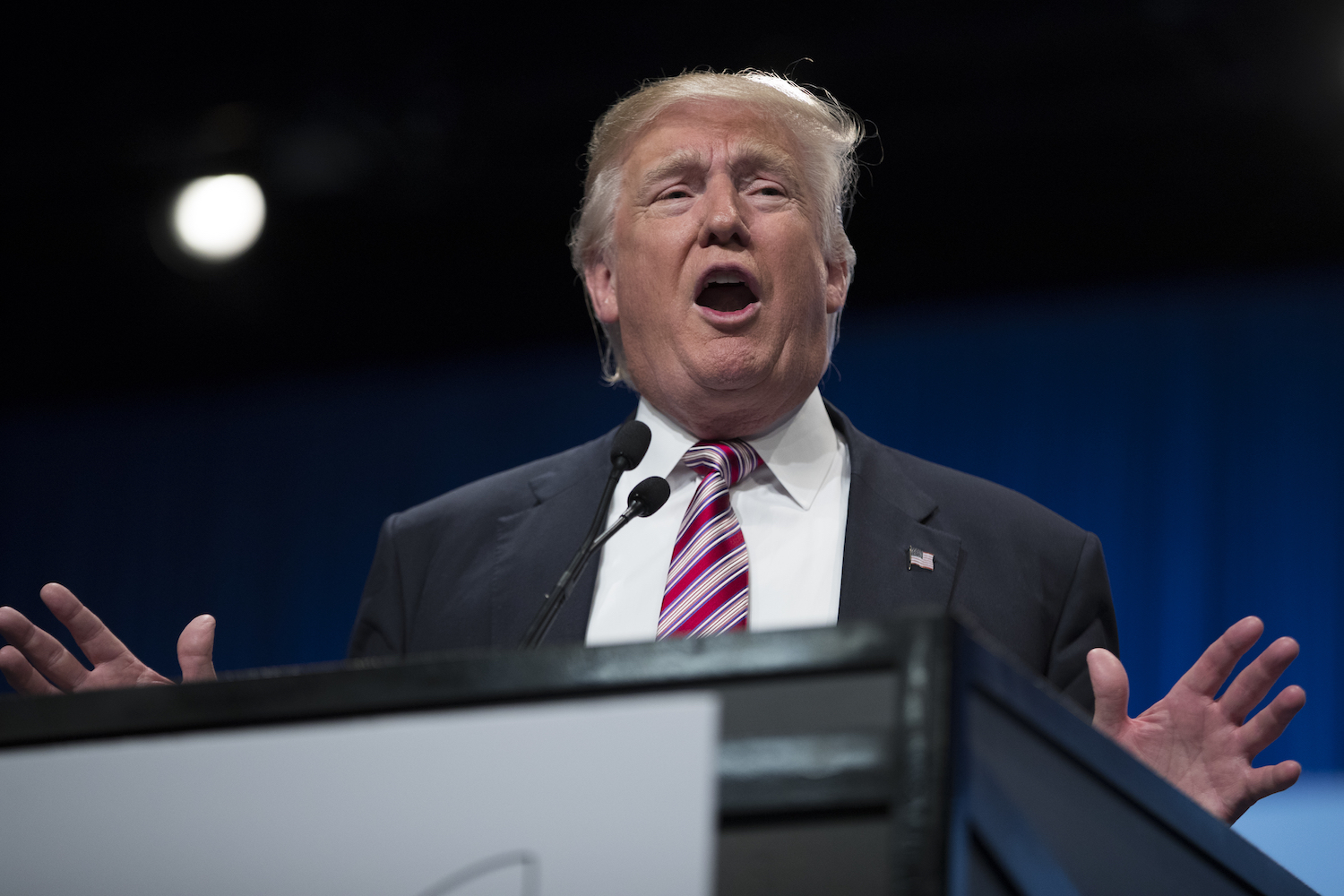
I now have a third warning, this time for President-elect Trump: You have said that, upon taking office as the new president, you will give your generals 30 days to come up with a plan to defeat the Islamic State “soundly and quickly” — but any plan they present will fail in the long run unless it also protects the civilians in Aleppo.
Before there was the Islamic State in Syria, there was Hezbollah. In April 2013, thousands of fighters from the Iran-backed terror group Hezbollah entered Syria, bombed and besieged a large border town, and triggered a dire humanitarian crisis. Many influential Islamist clerics around the globe then urged their followers to travel to Syria and wage war against the Assad regime. As civilians fled for their lives and turned into refugees, radical foreign fighters streamed into Syria to join hardline groups. Islamic State recruitment shot up dramatically, allowing the Islamic State to seize Raqqah as its capital four months later.
A similar situation pertains in Aleppo today. The Iran-backed “Harakat al-Nujabah” militia has taken the lead in attacking Aleppo on the ground. The leader of this Iraq-based militia, which is also integral to the Battle of Mosul, has framed the fight for Aleppo as part of an age-old sectarian struggle by calling his opponents “monsters … the grandsons of those who carried out the [7th-century] Karbala massacres.” Meanwhile, the former al Qaeda affiliate grows stronger by the day, as moderate rebels who depend on America for support lose both recruits and credibility as civilians suffer.
Defense secretary-designate James Mattis is surely capable of routing the Islamic State from Mosul and Raqqah, just as he helped defeat al Qaeda in Iraq. But al Qaeda later returned to Iraq under the Islamic State banner. Similarly, the Islamic State can revive itself unless it is defeated properly today.
Leaving Aleppo to the mercies of an Iran-backed invasion force would recreate the dangerous reality that prevailed in Iraq just before the rise of the Islamic State, when large Sunni population centers were ruled by increasingly sectarian Shiite militias. Even if Trump were to seek a partnership with Russia, these militias are Vladimir Putin’s main ground partners in Syria, so Trump would be indirectly supporting these militias and fueling the rise of the next Islamic State.
Instead of attempting to fight the Islamic State first or the Islamic State only, Trump should work to protect the civilians and moderate fighters who could best stabilize Syria after the Islamic State is gone. This includes the Aleppo-based coalition Levant Front, which has been fighting the Islamic State on the battlefield and the airwaves for years but is now marked for decimation by pro-regime forces. It also includes the countless residents in Aleppo and its suburbs who held a mass anti-Islamic State uprising in 2014 to remove the Islamic State from these areas. But as these areas are depopulated by airstrikes, residents have become refugees instead of staying to fight the Islamic State.
Trump should also work to confront the Iranian regional proxies who are leading the siege on Aleppo — and who enflame extremist sentiments on all sides. Iran Air, the state-owned airline which was exempted from sanctions under the Iran deal, has reportedly been providing logistical support to Iran-backed militias in Syria.
As Trump enacts his pledge to enforce the Iran deal along stricter lines, the impending Boeing sales to Iran Air should be near the top items of his docket. Similarly, Trump should take efforts to dissociate Russia from Iran and should increase support to the Turkish-backed “Euphrates Shield” rebel forces near Aleppo.
Most importantly, Trump should not wait until he is president to act. He already has access to the “bully pulpit” and has ample cause to be concerned by the possible fall of Aleppo. Trump should start his Syria policy now by stating loud and clear that the ongoing assault on Aleppo City is unacceptable.
Mohammed Alaa Ghanem is the director of government relations and a senior political adviser at the Syrian American Council and a former professor at the University of Damascus, Syria. Thinking of submitting an op-ed to the Washington Examiner? Be sure to read our guidelines on submissions.
