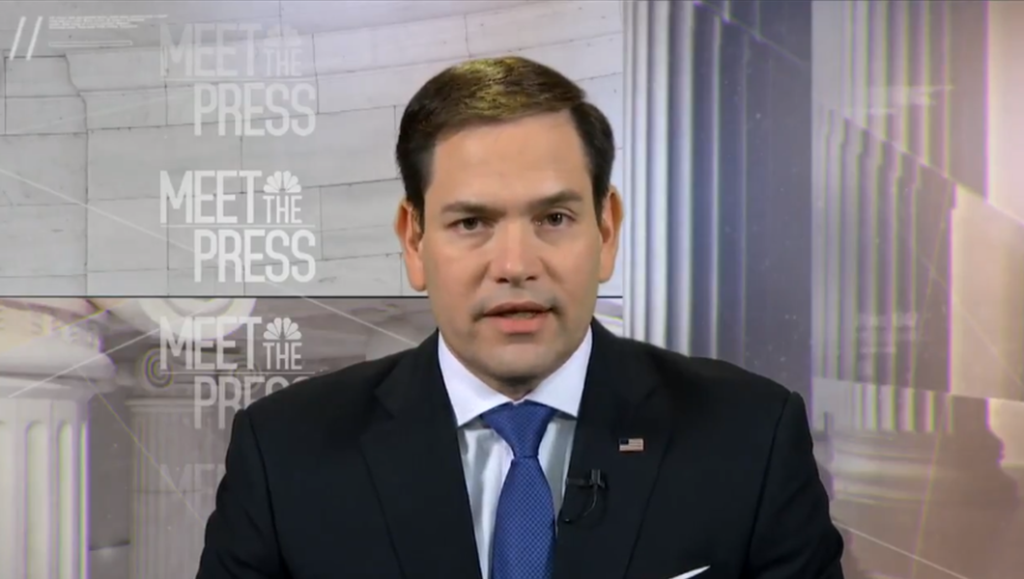
Sen. Marco Rubio, R-Fla., on Sunday condemned the use of a government shutdown as “leverage” to score political victories, even if it’s part of a strategy to bolster border security — something which he and President Trump support.
“I don’t think shutdowns are good leverage,” Rubio told CNN’s Jake Tapper. “It’s a lesson I’ve certainly learned in my time here.”
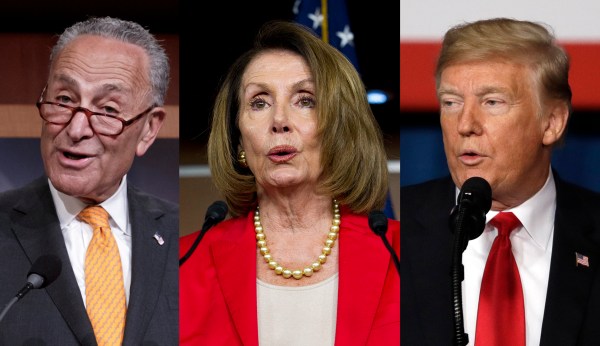
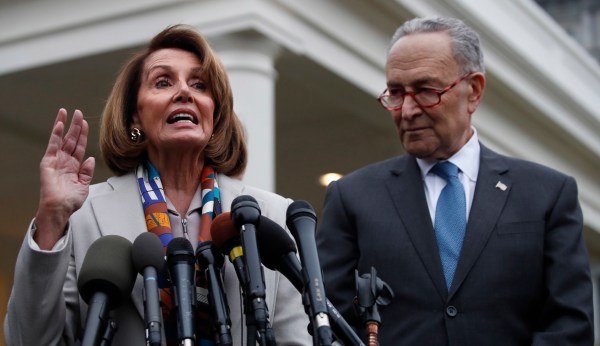
A partial government shutdown, which lasted for more than a month, came to an end last week when Congress passed and Trump signed a stopgap funding measure to temporarily reopen the government for three weeks. The result was seen by Democrats and Trump’s hard-line immigration allies as a political victory for House Speaker Nancy Pelosi, D-Calif., and a setback for Trump as the legislation lacked the $5.7 billion in southern border wall funding he had demanded.
The short-term funding measure will fund the government until Feb. 15 so Congress can work toward a longer-term solution.
In the meantime, CNN reported that Trump’s staff is preparing an executive order-like mandate that would declare a national emergency at the southern border and make available $7 billion of federal money to enhance security at the U.S.-Mexico border. The potential decision to use a type of executive action could come with legal troubles from immigrant groups and land conservative organizations who might sue and hold up the process.
Although Rubio said that the “aggressors” in the shutdowns he’s experienced have never emerged the “winner,” he said that the policy behind Trump’s border security push wasn’t unreasonable and that a wall would pave the way for tackling other immigration issues.
“I hope people will separate the tactics from the policy because I think the policy is reasonable and solid,” Rubio said.
Rubio’s comments come a week after Vice President Mike Pence was pressed on whether the White House was using the government shutdown as leverage for the border wall. Pence rejected the notion in an interview with Fox News’ Chris Wallace and argued that Americans wanted the president to secure the border.