Volcker criticizes Obama banking plan

Published September 25, 2009 4:00am ET


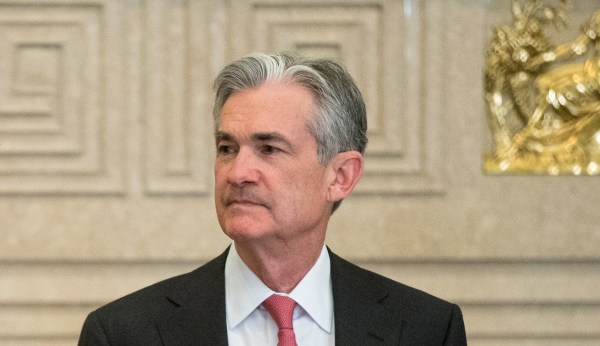
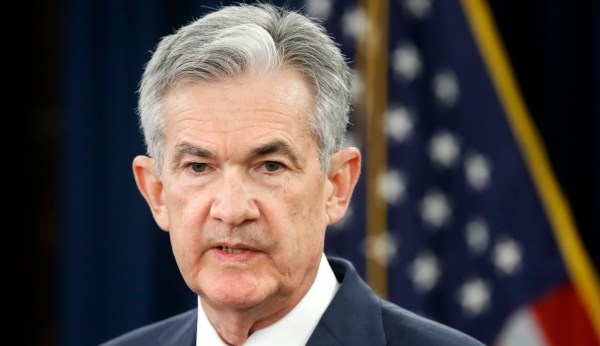
Former Federal Reserve Chairman Paul Volcker criticized the Obama administration’s plan to subject “systemically important” financial firms to more stringent regulation by the Fed.

Volcker told lawmakers today that such a designation would imply government readiness to support the firms in a crisis, encouraging even more risky behavior in a phenomenon known as “moral hazard.”

“Whether they say it or not, that carries the connotation in the market that they’re too big to fail,” Volcker, who is chairman of the White House Economic Recovery Advisory Board, said in testimony to the House Financial Services Committee.

Volcker, 82, testified as the House panel begins its consideration of the administration’s proposed regulatory overhaul, which is intended to curb some of the practices blamed for sparking the worst financial crisis since the Great Depression. He appeared one day after Treasury Secretary Timothy Geithner came before the committee to make the case for the Obama plan.

“The danger is the spread of moral hazard could make the next crisis much bigger,” said Volcker, who serves as an outside economic adviser to Obama. Volcker has criticized key elements of the Obama administration regulatory plan in recent public statements, and his remarks today largely reprised those criticisms.

Stricter controls

Volcker also called for stricter controls on commercial banks and bank holding companies than the Obama administration has proposed, saying they should be barred from owning or sponsoring hedge funds and private equity funds and forbidden to engage in proprietary trading.

He also criticized an administration proposal to create a council of regulatory agencies that would be headed by the Treasury Department. Instead, he called on lawmakers to give the central bank more authority to oversee the financial system.

“It’s a natural function for the Federal Reserve,” Volcker said. “There’s no doubt when you get into trouble, when anybody in the financial market gets into trouble, they run to the Federal Reserve.”

Volcker said the Fed should coordinate the activities of U.S. agencies that regulate financial institutions. He said the president should nominate a second Fed vice chairman responsible for financial regulation and supervision in order to “pinpoint responsibility” for those activities.

Too much power

The Obama administration plan has also drawn criticism from lawmakers including Senate Banking Chairman Christopher Dodd, Democrat of Connecticut, who have argued that the White House would give the Fed too much power. Instead, Dodd and other members of Congress are leaning toward vesting authority over big banks in the council of regulators that Volcker opposes.

Before questioning Volcker, Rep. Mel Watt, a Democrat of North Carolina, offered a nod to the influence of the former Fed chairman, who led the central bank from 1979 to 1987. Under Volcker, the Fed raised its benchmark interest rate as high as 20 percent in 1980 to throttle inflation.

“There seem to be two financial gurus,” Watt said, after naming former Fed Chairman Alan Greenspan. “You are the other one.”