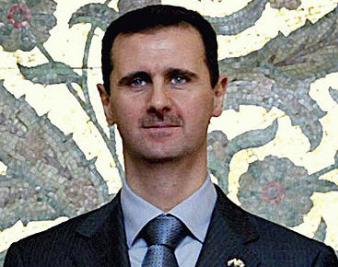
Since its onset in mid-January, the Arab Spring has caused serious problems for the Islamic Republic of Iran. Even more than other Middle Eastern states threatened by mass dissent, Iran’s ruling regime has fostered bizarre conspiracy theories blaming its intellectual enemies, both foreign and domestic, for threatening its dominion with a “velvet revolution.” Peaceful protests brought down the Tunisian and Egyptian regimes, and his campaign of brutal repression now threatens Syrian president Bashar al-Assad, a key Iranian ally.
The collapse of Assad’s bloody rule would be felt acutely by the Iranians, who support Syria against the Sunni Arab powers, particularly Saudi Arabia, and use it as a conduit to ship arms to Hezbollah across the border in Lebanon. Indeed, Iran’s anxiety over the Syrian uprising these last six weeks has sharpened divisions in the ruling strata, including factions siding with the supreme leader, Ali Khamenei, and his figurehead as president, Mahmoud Ahmadinejad.