

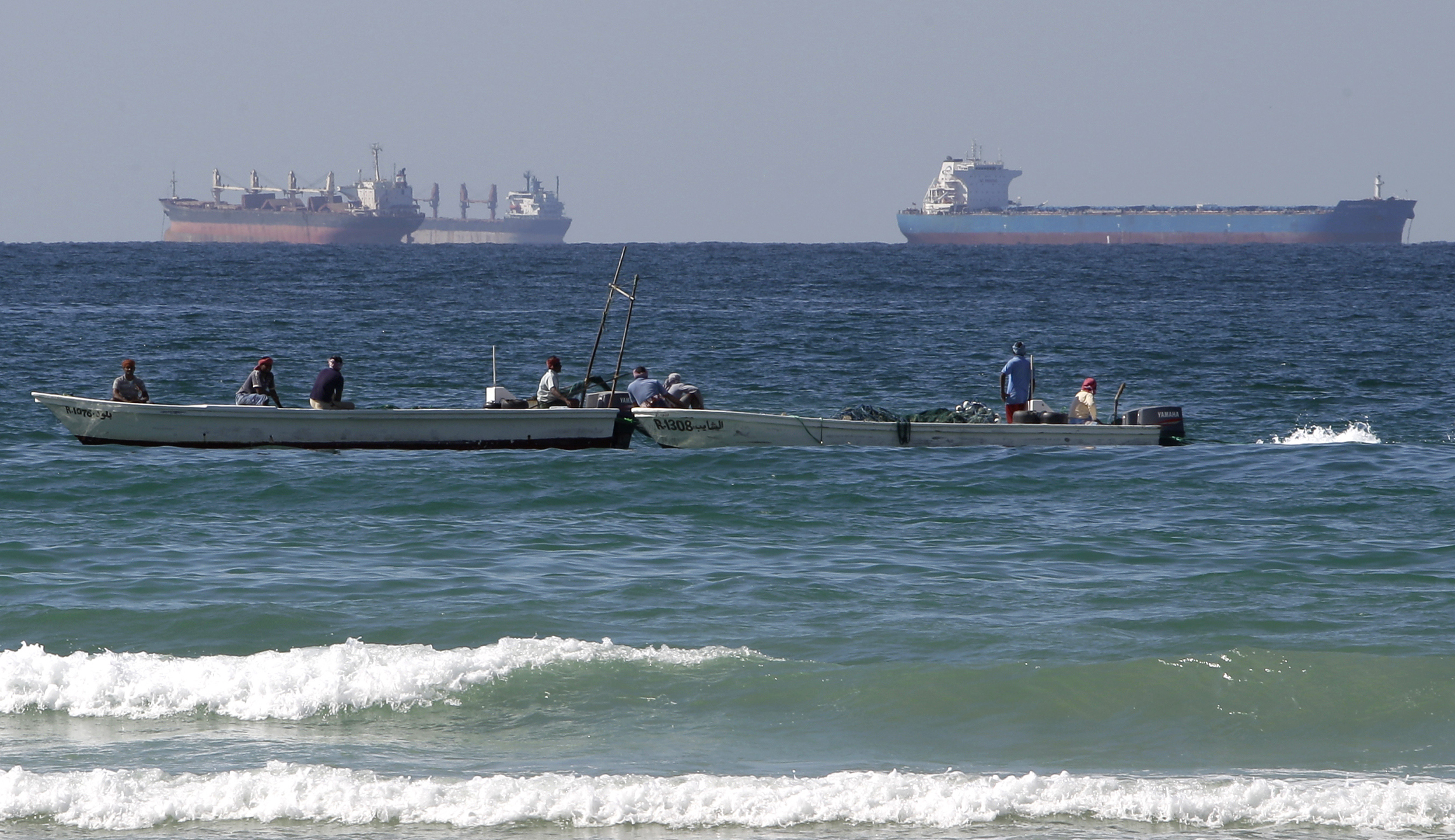
The Trump administration is using the threat of insurance liabilities to pressure countries into blocking Iranian ships that are transporting oil, a senior State Department official announced Wednesday.
“If Iranian takers make calls to your ports or transit through your waterways, this comes at great risk,” Brian Hook, the department’s special envoy for Iran, told reporters.
Recommended Stories


“Oil spills and accidents involving tankers are extremely costly,” Hook said. “From the Suez Canal to the Strait of Malacca — and all chokepoints in between — Iranian tankers are now a floating liability,” he said. “Countries, ports, and canal operators, and private firms should know they will be likely responsible for the cost of an accident involving a self-insured Iranian tanker.”
Secretary of State Mike Pompeo has led the administration’s effort to renew the oil sanctions on the regime that former President Barack Obama waived with the implementation of the 2015 nuclear deal. Hook’s announcement Wednesday showed the administration regards as the world’s top state sponsor of terrorism as being vulnerable to a most mundane pressure point: the loss of access to international insurance providers for their oil tankers.
The announcement comes on the heels of the snap-back of the oil sanctions that Trump decided to renew when he exited the 2016 deal in May.
“The Iranian regime has a choice: It can either do a 180-degree turn from its outlaw course of action and act like a normal country, or it can see its economy crumble,” Pompeo told reporters on Monday.
Iran hawks were frustrated to learn that the State Department would provide exemptions to eight leading purchasers of Iranian oil, though the administration took steps to mitigate the value of these deals to the Iranian regime. But Hook’s announcement Wednesday drew praise from those critics.
“U.S. sector-based sanctions targeting Iran’s shipping and ports play a critical role in making it harder and more expensive for the Islamic Republic to export goods, particularly oil,” the Foundation for Defense of Democracies’ Richard Goldberg, who helped draft Iran sanctions during his career as a Senate staffer, told the Washington Examiner. “It makes a lot of sense to remind would-be purchasers of Iranian exports of the enormous financial risk involved in doing deals that rely on Iranian self-insurance and Iranian tankers running with their tracking systems turned off.”
There’s a clear nexus between the oil sanctions and the risk of oil tanker accidents, Hook argued, because Iranian tankers have a history of turning off the transponders that make them easier to spot at sea. They do so to avoid detection from sanctions authorities, but the move also heightens the risk of collisions, according to Hook.
“Our strong message to any entity considering doing business with these Iranian tankers is to rethink your decision: protect your port, protect your business, and promote maritime safety,” he told reporters.
