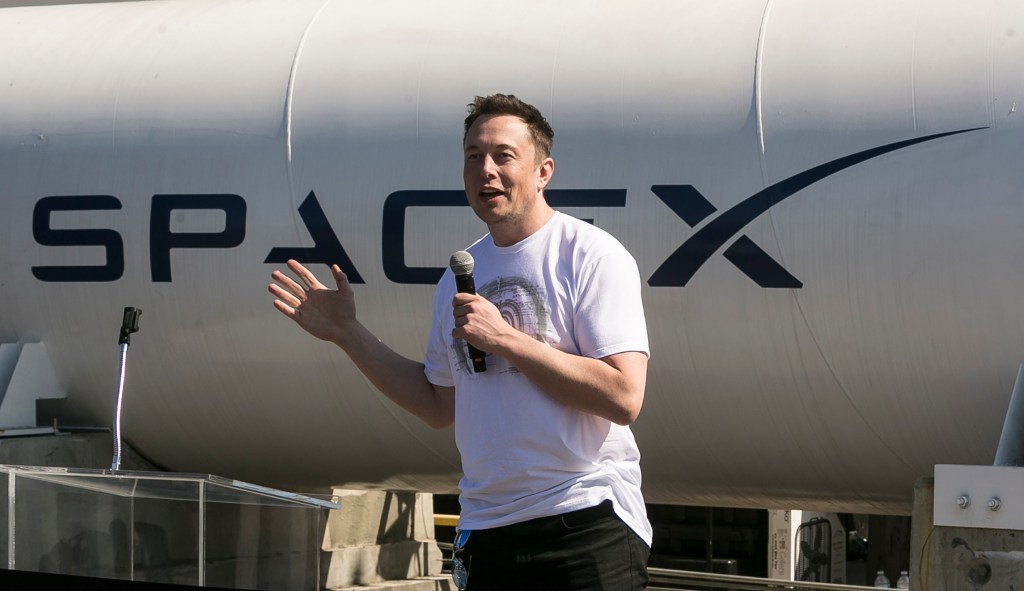
Supply and demand are fairly simple economic concepts. However, when politicians meddle with the market to favor special interests, they become much more complicated. In order to prop up Elon Musk’s SpaceX, Congress has once again found itself in a legislative labyrinth of its own creation that could cost taxpayers billions and prove dangerous to national defense.
Today, there are only two competitive launch systems, the Falcon 9 (produced by SpaceX) and the Atlas V. The Atlas V uses Russian rocket engines on the first stage of launch, which Congress has banned beginning in 2022. There is also the Delta IV, but that launch system is supposed to be phased out due to it being outdated and expensive. The Senate will soon vote on section 1615 of the National Defense Authorization Agreement for FY 2018, which forbids the Air Force from developing new launch vehicles, restricting expenditures to “the development of new engines or the modification of existing systems.” Section 1615 will prove to be a make-or-break moment for Congress at a time when the federal government faces the decision to define who its policy aims to serve.