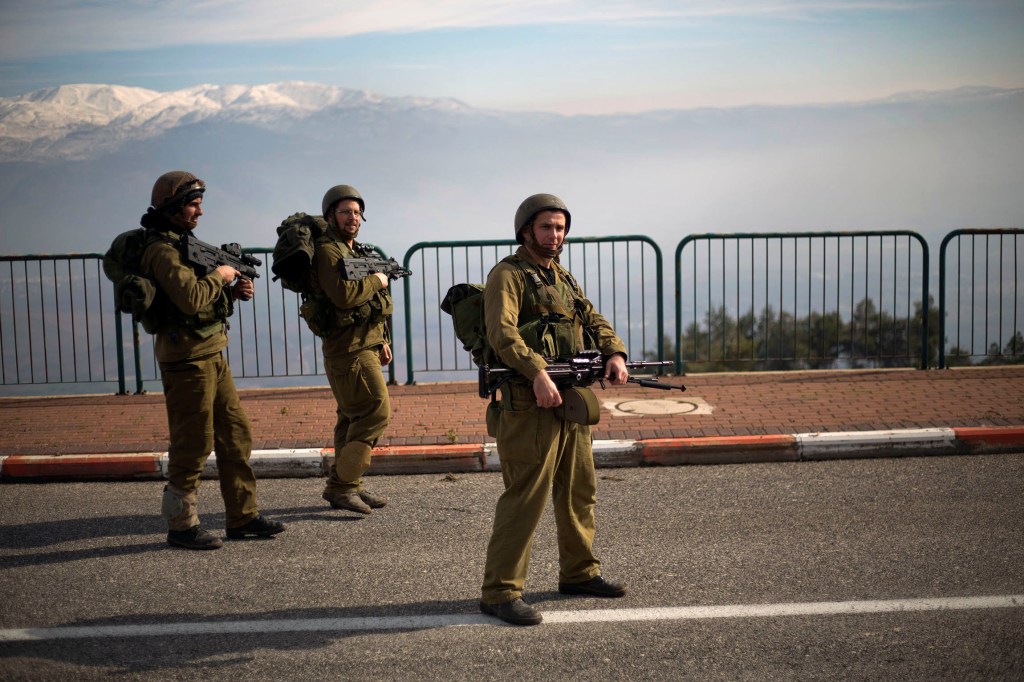
Israel last month marked the 10th anniversary of the first Hezbollah war. Newspapers and television featured analysts noting a decade of quiet along the Israeli-Lebanese border. Nevertheless, most spoke of the next war with Hezbollah in terms of “if, not when.” It would, they forecast, impose a shocking toll on both countries, particularly civilians.
In 2006, Hezbollah (the Iranian-backed, Lebanese Shi’ite “Party of God”) mobilized an estimated 10,000 full and part-time gunmen, and 10,000 to 15,000 rockets. It fired more than 4,000 of them into northern Israel, a rate of 100-plus per day. Several hundred thousand Israelis, my sister and brother-in-law among them, either spent much of the time at home in reinforced “safe rooms” (required after Iraqi dictator Saddam Hussein’s 1991 missile attacks) or fled southward.