

The Pentagon has repeatedly declined to provide additional information regarding the airstrikes that took place in Afghanistan during the final days of the military evacuation amid questions about the targets.
Spokesman John Kirby sidestepped multiple questions about the airstrikes during Monday’s Pentagon briefing, the first since the New York Times reported that the target of the United States’s second drone strike was Zemari Ahmadi, a U.S. aid worker employed by the California company Nutrition and Education International.
Recommended Stories


STORIES FROM INSIDE THE PENTAGON ON 9/11: ‘SAW THE FIREBALL PASS OVER THE TOP OF OUR HEAD’
“So, I would say that the assessment by central command is ongoing, and I’m not going to get ahead of that,” he said when asked to respond to the report. “The strike was taken to prevent an imminent attack on the airport.”
A CENTCOM spokesperson told the Washington Examiner a day after publication, “The investigation is ongoing. We have nothing to provide at this time.”
In the first of the two airstrikes, conducted on Aug. 27, U.S. CENTCOM spokesman Bill Urban said a “target” had been “killed,” though Major Gen. Hank Taylor, the deputy director of the Joint Staff For Regional Operations, announced a day later that not one but two “high-profile ISIS targets were killed.”
The strike was conducted following an ISIS-K terrorist attack at Hamid Karzai International Airport, which killed 13 U.S. service members approximately 170 civilians.
CENTCOM and the Pentagon have acknowledged the reports of 10 civilian casualties, including children, emanating from the second strike; however, they have not confirmed it, nor have they shared the identity of the target.
Urban said that the second airstrike, which reportedly killed Ahmadi, resulted in “significant secondary explosions from the vehicle,” which indicates the “presence of a substantial amount of explosive material,” though, “We are still assessing the results of this strike, which we know disrupted an imminent ISIS-K threat to the airport.”
“I cannot confirm them at this time,” Kirby said when asked if he could identify the people who were killed, adding after a follow-up question, “I just can’t confirm them at this time.”
CLICK HERE TO READ MORE FROM THE WASHINGTON EXAMINER
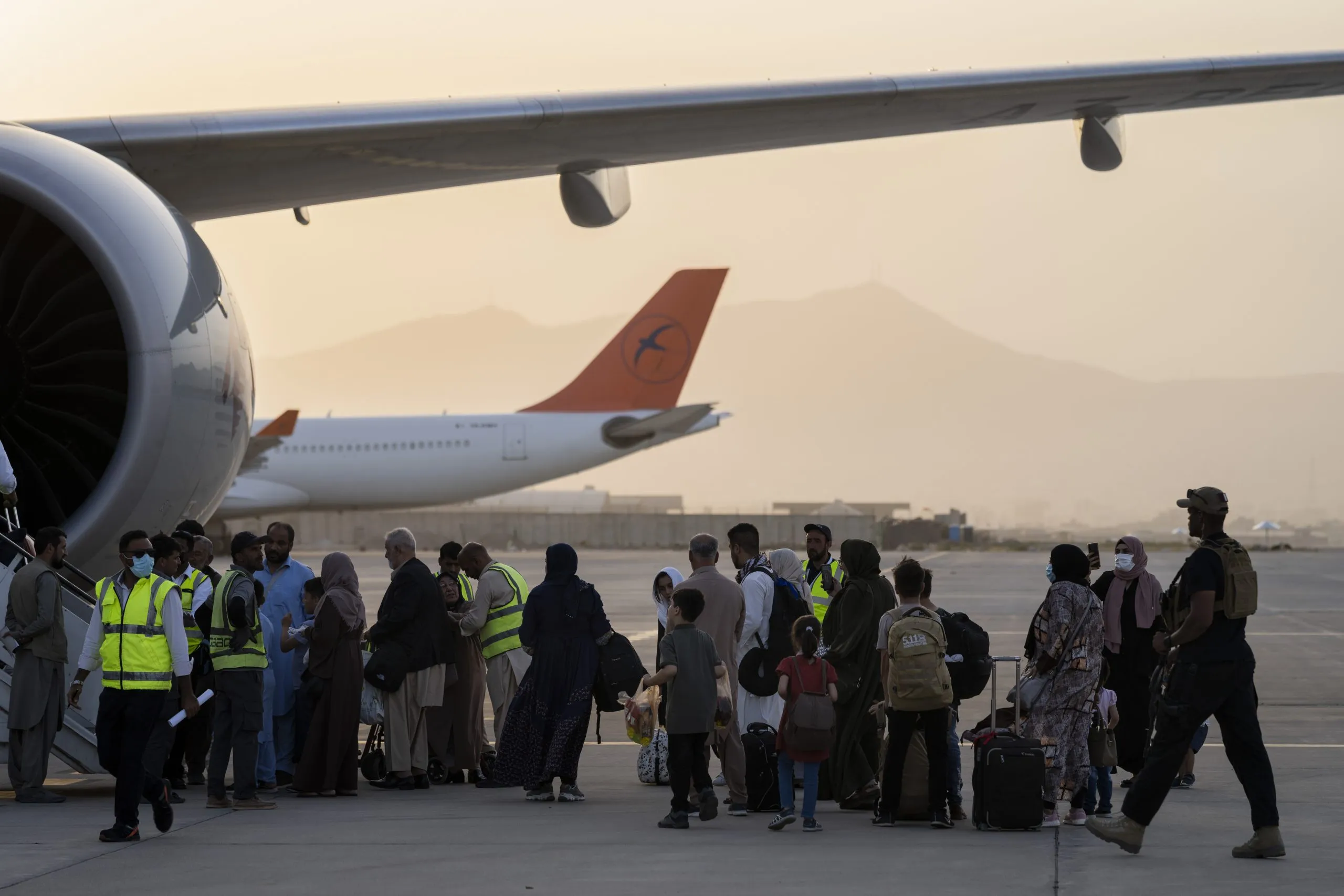
Pentagon officials have repeatedly touted their “over-the-horizon” military capabilities, which they will now be relying on, given that the U.S. no longer has troops in Afghanistan. During the final month of the 20-year war in Afghanistan, the U.S. and coalition forces began a massive evacuation for third-country nationals and Afghans who would be at-risk under the newly formed Taliban regime.
Kirby has declined to name the targets during previous briefings as well.
