

The 2016 presidential primary season continues to be predictably unpredictable. With 34 days to go until the first votes are cast, almost everyone is wondering if the candidates currently leading the polls will actually come out on top.
If the most recent nominating processes are any indication, it’s still too soon to say that today’s front-runners will win a certain primary or the nomination. Let’s review who led national, Iowa, and New Hampshire polls 34 days before the Iowa caucuses in 2012 and 2008.
Recommended Stories


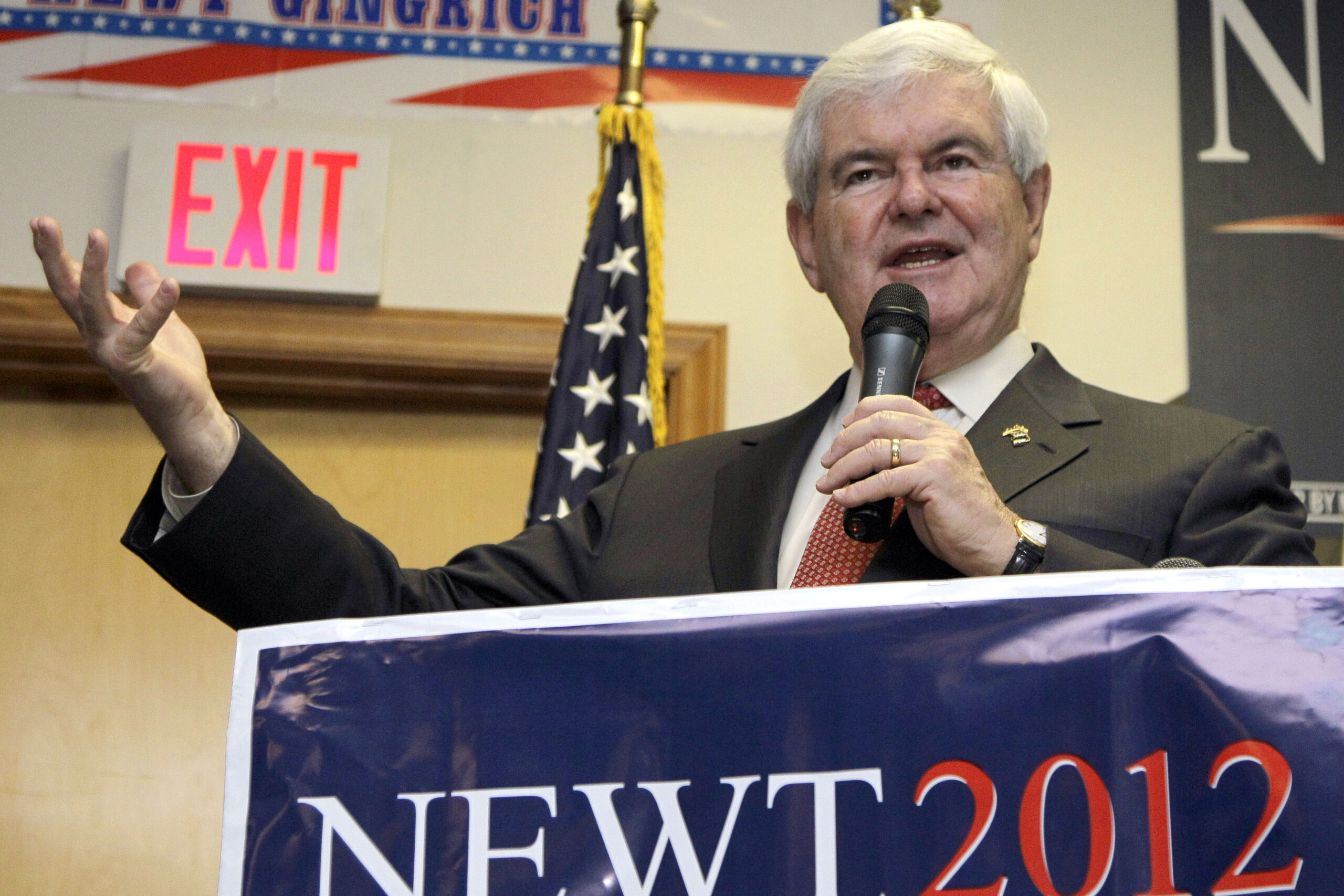
2011 Republican national polls: On Nov. 29, 2011, Newt Gingrich had just surged into the lead for the first time. He led Mitt Romney by 2.5 percentage points in the RealClearPolitics polling average. That lead eventually grew to almost 13 points in mid-December. It wasn’t until the day after the Iowa caucuses that Romney retook the lead. Despite his early lead, Gingrich would only win primaries in South Carolina and his home state of Georgia.
2011 Iowa Republican caucus: Gingrich also led the Iowa polls on Nov. 29, 2011, by 8 percentage points over Romney and Herman Cain, whose campaign was flailing. Eventual winner Rick Santorum had only four percent support that day. (Keep in mind there were only seven GOP candidates at the time, so Santorum’s four percent is even worse than having four percent support in today’s more crowded field.)
2011 New Hampshire Republican primary: On Nov. 29, 2011 Romney led by almost 17 percentage points over Gingrich in New Hampshire. The early polls were actually somewhat accurate on this one. Romney won by more than 16 percentage points over Ron Paul.
2007 Republican national polls: On Nov. 30, 2007, Rudy Giuliani seemed to have the 2008 Republican nomination well in hand. He had more than double the support of his closest competitor, Fred Thompson, in the RealClearPolitics polling average. Of course, John McCain would go on to win the nomination, despite having just 13 percent support compared to Giuliani’s 29 percent. Giuliani didn’t win a single state in the nominating process.
2007 Iowa Republican caucus: Mitt Romney led the early polls in Iowa, but he would go on to lose to Mike Huckabee by nine percentage points. Romney had 27 percent support on Nov. 30, 2007, but his numbers stayed flat, while Huckabee surged from 24 percent support to 34 percent.
2007 New Hampshire Republican primary: Romney also led early polls in New Hampshire, by almost 30 percentage points. John McCain’s winning surge didn’t start until almost three weeks later. In the 39 days between Nov. 30, 2007 and the primary, McCain turned an 18-point deficit into a 5.5-point lead. That surge included McCain doubling his support.
2007 Democratic national polls: Hillary Clinton had a firm, double-digit lead in national Democratic polls. She continued to lead national polls well into February, but still failed to win the party nomination.
2007 Iowa Democratic caucus: Again, sometimes the early polls get it right. Obama led the RealClearPolitics average of Iowa polls on Nov. 30, 2008, but by only 0.4 percentage points. It was actually the first day Obama had taken the lead in that metric. That doesn’t mean the rest of the race was simple and predictable. Less than a week before the caucuses, Obama came in third in the polling average. But when the dust settled, Obama scored a big win, besting Hillary by more than eight percentage points.
2007 New Hampshire Democratic primary: Another example of the early polls actually getting it right. Throughout 2007, Clinton had held a pretty big lead in the New Hampshire polls. With 39 days to go, she held an 11-point lead over Obama. But after his win in Iowa, Obama surged to a late lead in the New Hampshire polls. Clinton won a narrow victory in the end, by less than three percentage points.
The early polls got only three of those nine contests correct. And of those three, two of them still had polling lead changes before votes were cast.
Here’s who’s leading the 2016 polls today: Donald Trump leads national GOP polling by almost 19 percentage points over Ted Cruz; Cruz leads Iowa GOP polling by almost 3 percentage points over Trump; Trump leads New Hampshire GOP polling by almost 14 percentage points over Marco Rubio; Hillary Clinton leads national Democratic polling by more than 25 percentage points over Bernie Sanders; Clinton leads Iowa Democratic polling by more than 15 percentage points over Sanders; and Sanders leads New Hampshire Democratic polling by almost six percentage points over Clinton.
Jason Russell is a commentary writer for the Washington Examiner.
