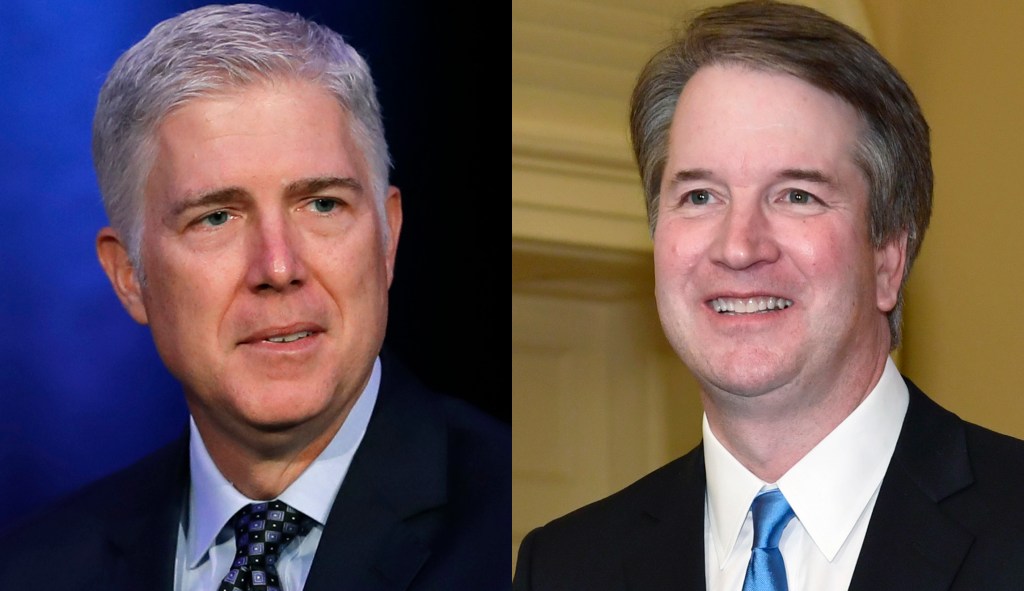
To confirm Neil Gorsuch, Senate Republicans changed the rules lowering the barrier to confirm nominations to the Supreme Court. Now, as Brett Kavanaugh comes before the Senate, those rules still apply. For Republicans, with razor thin margins in the Senate, this will likely allow for a win and the confirmation of a second conservative judge to the nation’s highest court. The contentious hearing, however, is a reminder of the price of a confirmation victory: a more deeply divided and partisan Senate and Supreme Court.
To be clear, the change in confirmation procedures to benefit the party in power and the president date to 2013 when Democrats lowered the threshold to confirm President Obama’s nominations for cabinet positions and the lower courts by ending filibusters in those hearings. When Republicans furthered that same strategy, dubbed ‘going nuclear,’ to confirm Neil Gorsuch, Democrats learned a forceful lesson: changes under one administration can easily benefit the next.