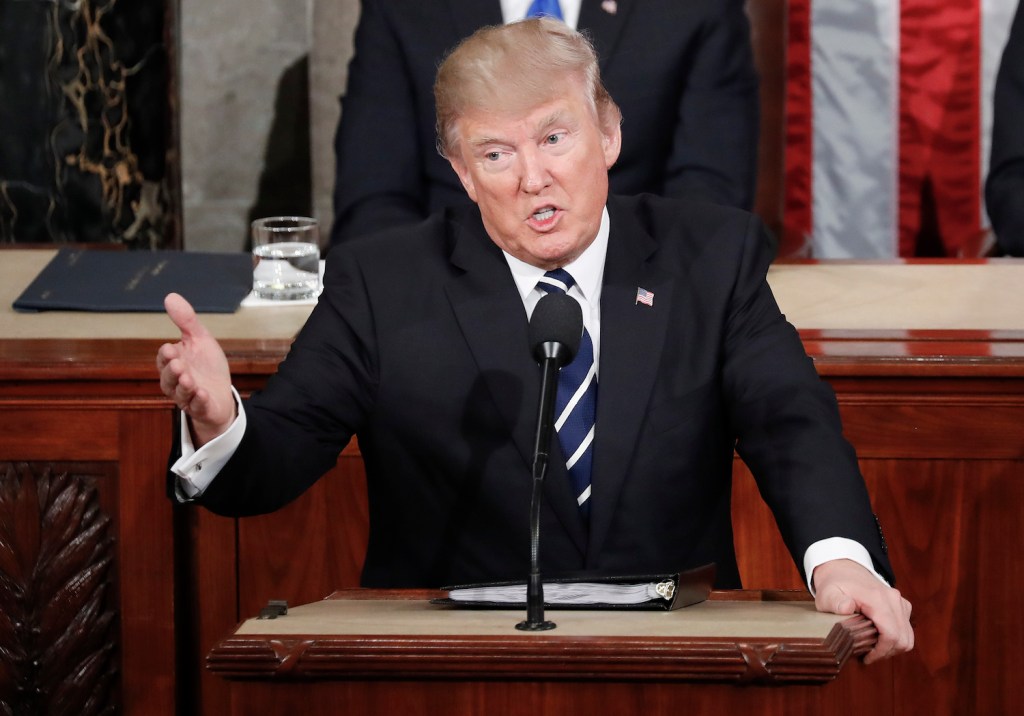
The most important line of President Trump’s 60-minute speech wasn’t about the possibility of tackling immigration reform or building a wall along the United States-Mexico border. It wasn’t about overhauling the tax code or fixing the healthcare system. While all of these subjects are certainly important, they didn’t come close to the president’s declaration that U.S. foreign policy will once again work for America. “My job is not to represent the world,” the president said during his address. “My job is to represent the United States of America.”
For foreign policy analysts, academics, and practitioners both inside the Beltway and across the country, this statement is the beginning of something revolutionary in how our nation conducts its business overseas and how it defends its national security interests around the world. Indeed, this is the type of policy shift that esteemed academics like Harvard University Professor Stephen Walt and M.I.T. Professor Barry Posen have been writing about for decades; that, while the U.S. is an exceptional power with immense resources and diplomatic capital, even exceptional powers have to be pragmatic in how they operate and know their limits.