Even as the sky was falling Tuesday morning, September 11, visitors to the Nation magazine’s website could find a freshly posted essay by Edward Said on the intellectual’s role in the modern world. A true intellectual, Said declared, now makes it his mission to publicize those injustices that are “occurring in reality”—like the Israeli “occupation” of Palestine. And this work is hard, for the “dominant discourse” has all but smothered reality in a blanket of “counterfeit universals” designed to “create consent and tacit approval.” Indeed, Said noted, so thoroughly has the propaganda of “unseen power” penetrated popular consciousness that even some intelligent people have come to believe in its empty “confections”: “the West” and “democracy,” on the one hand, and “rogue states” and Middle Eastern “terrorism” on the other.
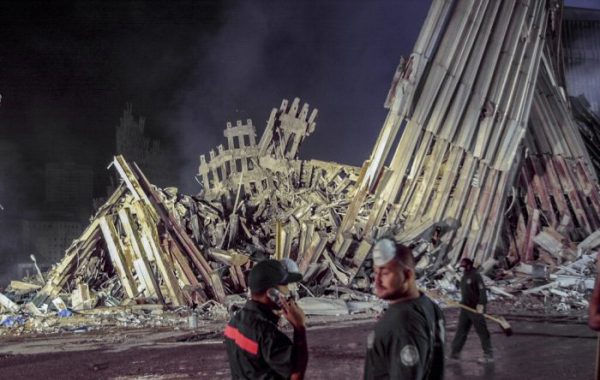
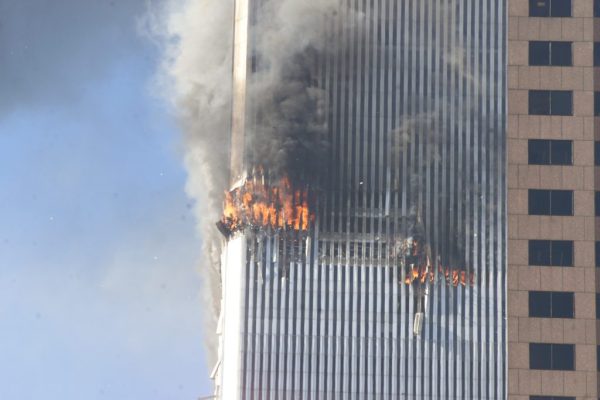
Now that two “confections,” each carrying 20,000 gallons of liquid high-explosive, have flown across New York Harbor at 400 miles an hour and slaughtered 5,000 office workers (and counting) in the blink of an eye . . . well, how easy it becomes to forget that anyone in America once took seriously such arguments as these. That until recently, our custodians of respectable opinion, surveying the “dispute” between Arab suicide bombers and the Israeli schoolchildren whose blood they spilled, carefully constrained themselves to revile the sin but not entirely the sinner. That it was the policy of the United States government, in fact, to divvy up the equities just a bit—to insist that its friends in Jerusalem acknowledge, in the “sources” of antiquity, some claim to justice by the enemies at their gates.