Flexible work opportunities could evaporate under the PRO Act

Last year, the coronavirus outbreak put me, like so many others, suddenly out of work, leaving me with few places to turn. As an active worker in my local school district, I found the switch to virtual classrooms meant that a lot of my opportunities to teach dried up almost overnight, and I needed something that would let me earn some money while my children were at home, too.

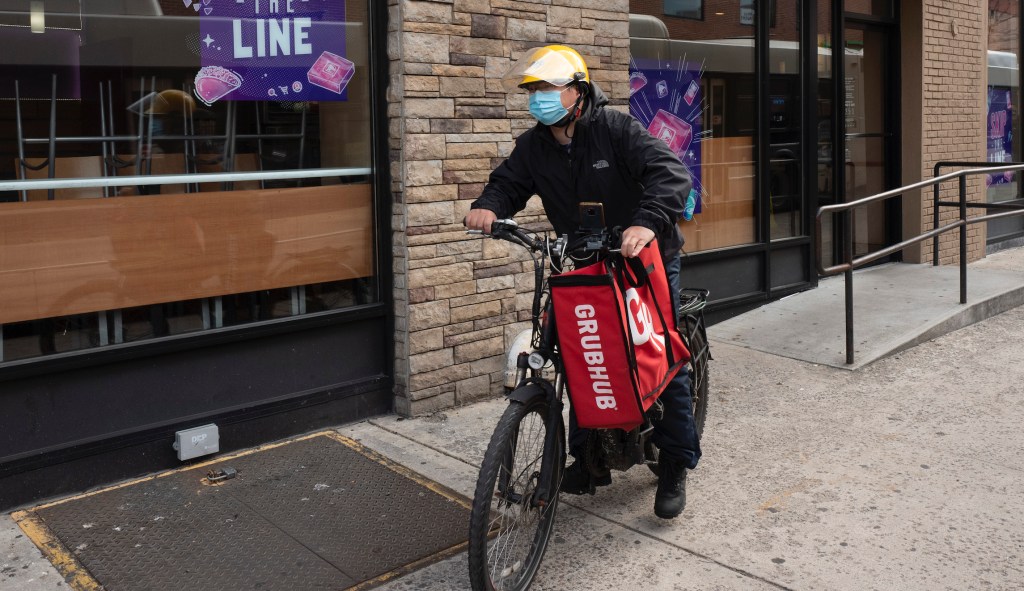
I’m also a published author and needed a way to help supplement my passion for writing historical fiction. The flexibility is exactly what drew me to app-based work. By delivering for Uber Eats, DoorDash, and Grubhub, I found an opportunity that checked all those boxes and more. Each morning, I can lay out my day, see what times I am available to work, and simply log in when I’m ready to get started.


With this level of independence, I am in the driver’s seat both literally and figuratively. If my children are at home, I can find times in the day that work best for me to be out and about. Being my own boss means I can make the decision to drive when and where I want so I can work around my schedule for the day. I get to call the shots, and that is a huge part of the reason I’m driving and delivering.

It’s about more than just having a flexible way to make money, though. I genuinely love helping other people, and both driving and delivering have presented unique opportunities to do that at a time when many people are struggling. Many people simply aren’t able to go out because of health risks during the pandemic or other reasons they need to stay home, and this work means I have a chance to be the friendly face that makes their day a bit easier.

Even while most deliveries right now are contactless, I can see how much people appreciate the assistance when I do have the chance to interact with them. Whether it is simply delivering an order for food or bringing a family what it needs during a snowstorm, it’s good to know I’m doing my part.

My ability to keep doing this work, though, hinges on my ability to stay independent. As I said to CBS News earlier this year, the ability to earn money on a flexible schedule is absolutely essential for me. If I was locked into a specific time frame for driving or making deliveries, I would have to stop doing it altogether.

Unfortunately, that might soon be the case if the Senate passes the PRO Act, which shares a lot of language with California’s disastrous Assembly Bill 5. A major question about the future of gig-economy work was on the ballot in November in one of the most progressive states in the country. Nearly 10 million voters supported Proposition 22, giving California gig workers what they themselves said they wanted. If California voters hadn’t supported Prop 22 to exempt app-based workers from A.B. 5, a lot of independent workers would have either been turned into employees, losing the flexibility that drew them to this work in the first place, or would have lost work opportunities entirely.

We can’t let that happen on a national scale. Unlike the voters in California, we won’t be able to hold a referendum for the workers who need exemptions. Instead, those workers will have to choose between giving up their flexibility or once again looking for work that suits their needs. At a time when a lot of people need the work while we await the end of this pandemic, the PRO Act could very well take it away.

Independent work is offering people new ways to make money and support their families. It would be irresponsible for lawmakers to take that away from them now by passing the PRO Act. For the sake of app-based workers and all the other workers who need to be able to stay independent, I hope the Senate will reject this bill when it comes up for a vote.

Tiffany Stockton is a published author and an app-based worker from Colorado.

Related Content