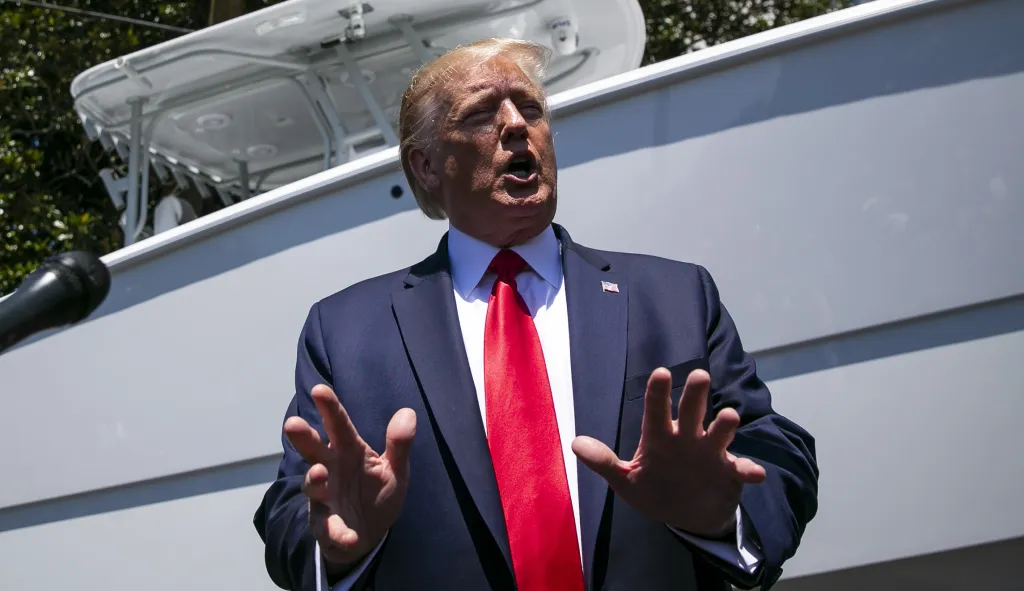
It’s worrisome enough that President Trump has allowed deficits to creep back up to $1 trillion in 2019, according to the White House’s own estimates. But what’s remarkable is that they’ve gotten so high during a booming economy, when deficits typically narrow. Despite this fact, both parties are as far as ever from caring about the mounting federal debt.
Throughout its history, the United States has had periods of extraordinarily high deficits during wars or economic downturns. When the economy is doing poorly, “automatic stabilizers” kick in and spending goes up for safety net programs such as unemployment insurance and food stamps. Lawmakers tend to act to stimulate the economy through tax cuts and/or more spending. Meanwhile, tax revenue tends to fall because fewer people are working and incomes are growing more slowly for those who still have jobs.