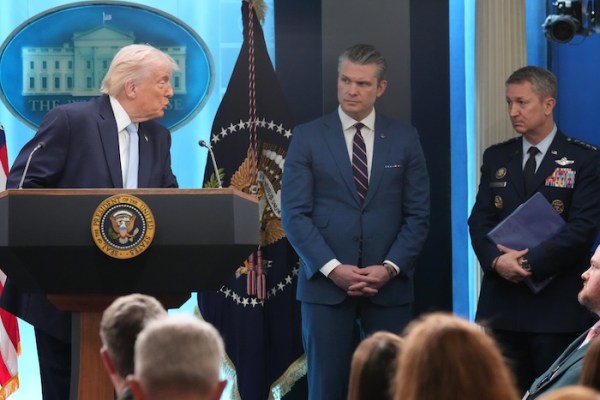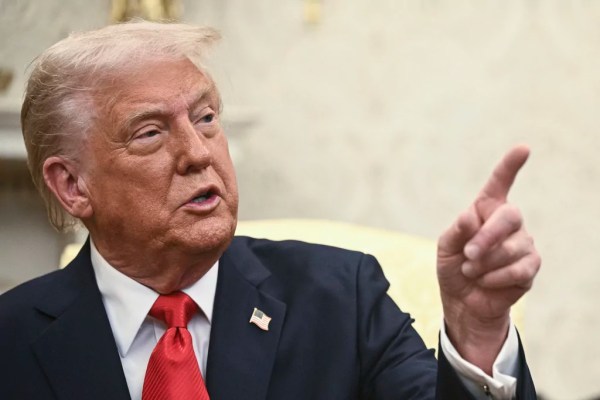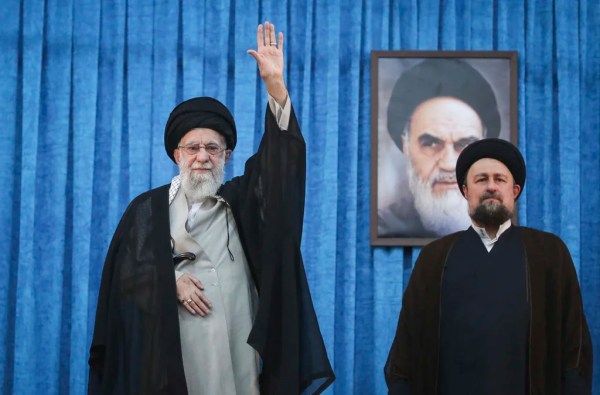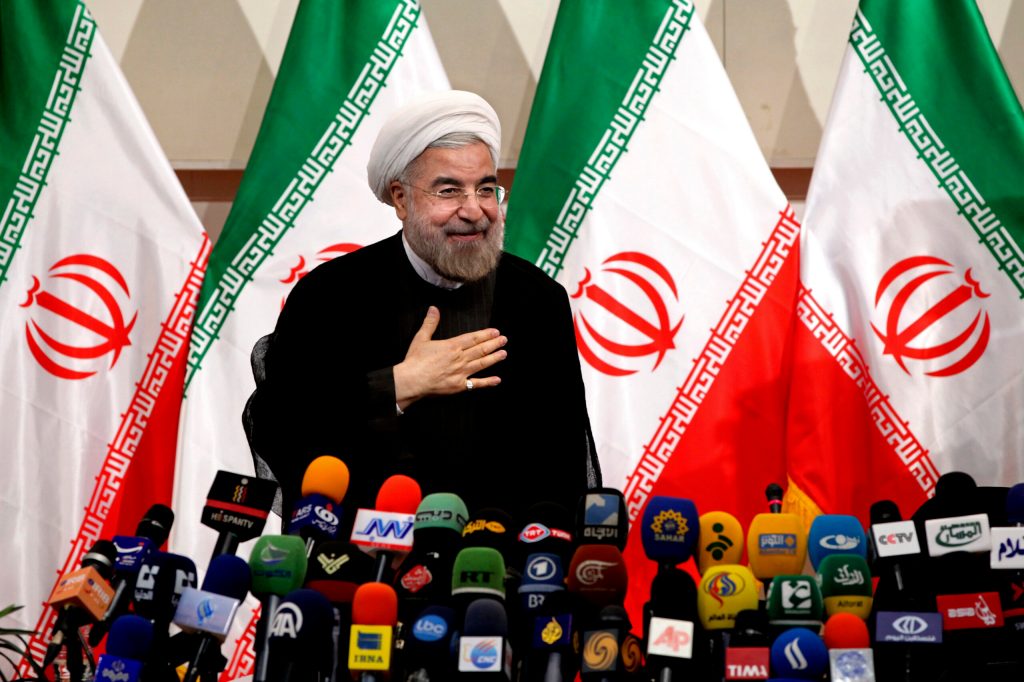
The midterm congressional elections and the polarized politics of America are sparking their own debate within the Islamic Republic of Iran. Many of the regime’s hardliners have come to the conclusion that the Trump administration will be weaker in the next two years and thus it is time for a more confrontational policy. President Hassan Rouhani and his battered centrists are also looking at American politics, but instead of an immediate conflict they want to wait out the Trump storm and deal with a more accommodating Democratic president that may come to power in 2020. The ultimate arbiter of this debate is leader Ali Khamenei, who seems to be edging toward his hardline disciples.
By this time, Rouhani must appreciate that the Europeans are unlikely to shield Iran from the sanctions imposed by Trump after he abrogated the Iran deal — the Joint Comprehensive Plan of Action. Commerce and politics have parted ways, as businessmen are less responsive to the pleas of European diplomats for trade with Iran that could cost them access to the American market. Still, for Rouhani, talks with Europe and adherence to the JCPOA is about making an impression on a Democratic Party eager for an Iranian interlocutor should it recapture the White House in two years. Rouhani’s diplomatic gambit is less about Europe than America’s progressives.