

In NBC’s tremendous-if-uneven sitcom “Community,” there is an episode wherein a neurotic film student named Abed Nadir suffers a temporary psychotic break after he enrolls in a two-day community college course called “Nicolas Cage: good or bad?” and attempts to provide the definitive answer by watching all of the actor’s movies nonstop over the course of a weekend. Ultimately, Abed learns a simple lesson about art and life, about how most things can’t just be classified as one thing or another and how complexity can render competing assessments accurate, if not dispositive. “And that’s why critics can call [Cage] a genius or an idiot and be right no matter what,” Abed concludes.
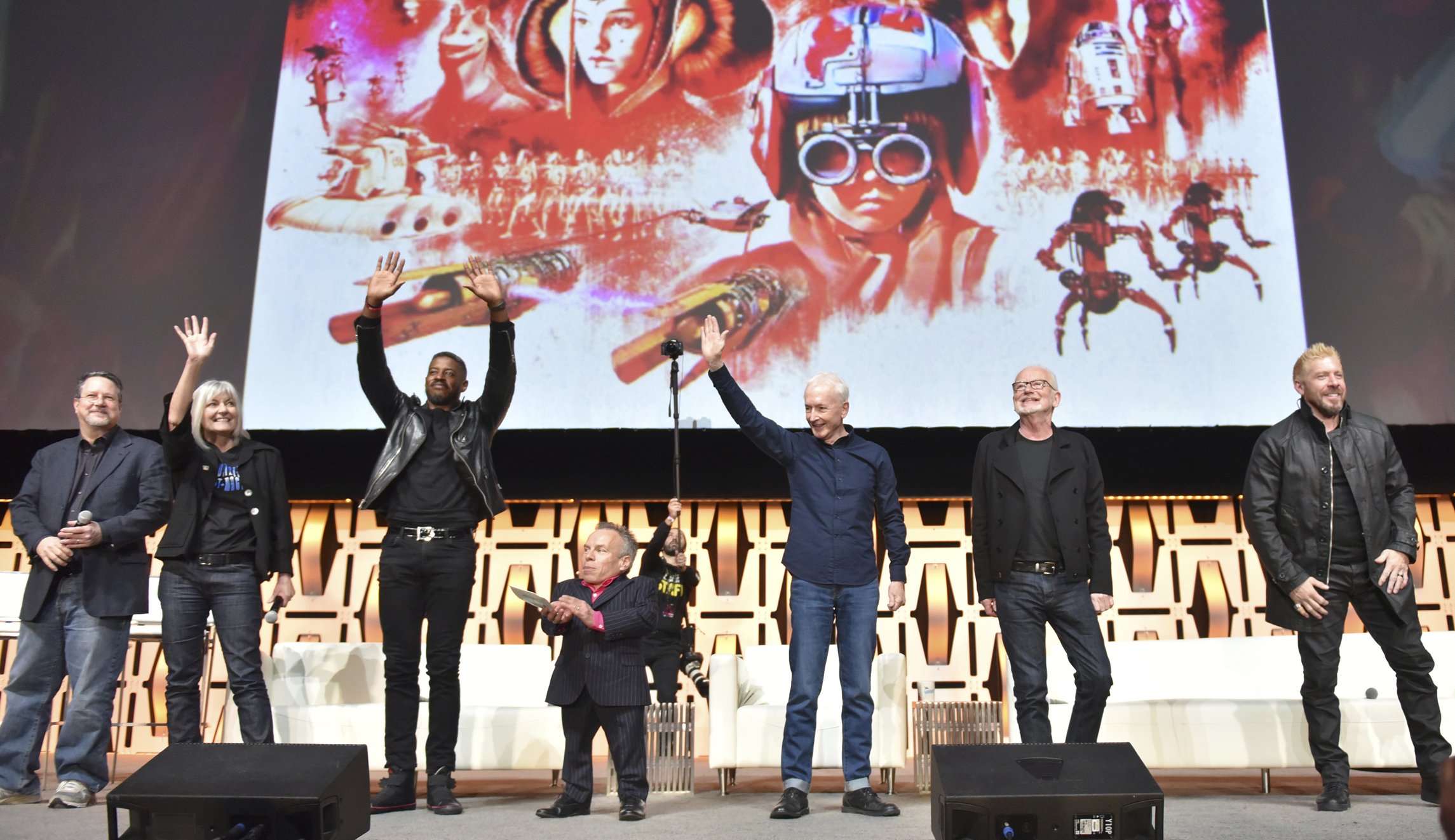
I was reminded of this lesson, and Abed’s brief descent into madness, while revisiting “Star Wars: Episode I — The Phantom Menace,” which celebrates its 20th anniversary this month. Much like Cage, “The Phantom Menace” represents something of an enigma. It’s the movie that introduced a new generation to “Star Wars” fandom or it’s the movie that ruined the childhood fandom of its first generation, depending on whom you ask. It grossed over $1 billion worldwide but holds a dismal 54% score on Rotten Tomatoes and a 51% on Metacritic. Like the other prequels, “Attack of the Clones” and “Revenge of the Sith,” no one is supposed to admit publicly that they like “The Phantom Menace,” yet it nevertheless boasts a huge number of fans and defenders.
Stay informed.Stay ahead.
Join Washington Examiner for unlimited access to the news, analysis, and commentary that matter most.
Already a member? Log in
