

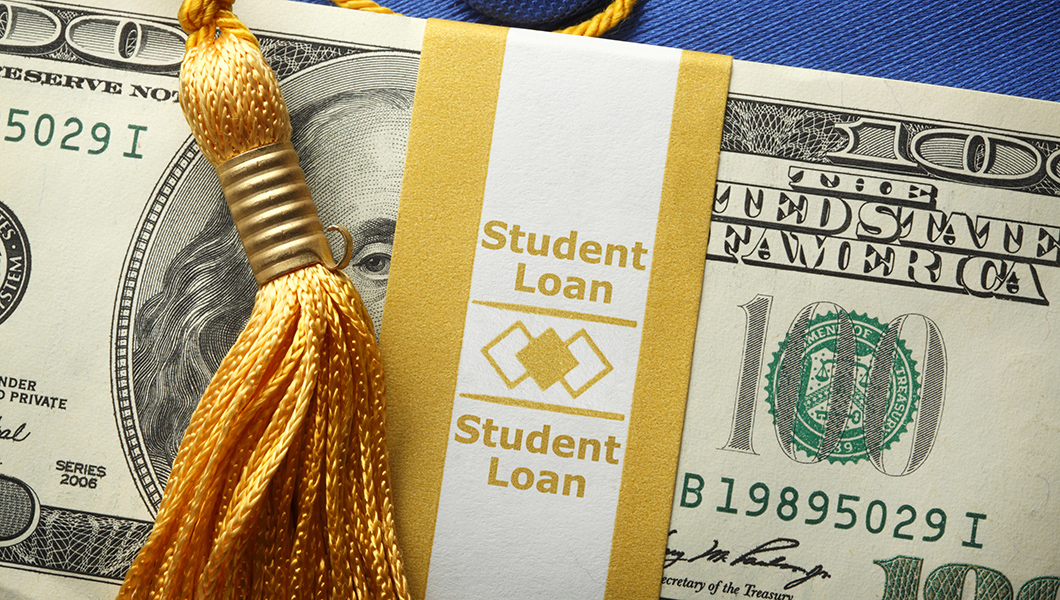
For the first time since she ducked voting for or against the Green New Deal, which she bravely co-sponsored, Sen. Elizabeth Warren, D-Mass., popped her head up again this week. This time, she is proposing a new deal for college students.
Warren wants to eliminate some or all student debt for those with incomes as high as $250,000. Those making less than $100,000 annually stand to benefit most, with forgiveness of up to $50,000 of student debt. She wants to finance this (of course) with a wealth tax on fortunes greater than $50 million.
Recommended Stories


Setting aside the wealth tax, which is simply bad tax policy, we fear her plan of loan forgiveness will treat a mere symptom while worsening the underlying problem of college affordability.
Student indebtedness is just one negative side effect of government subsidies. The federal student loan doles out ever greater amounts of easy money at subsidized interest rates, thus pushing college tuition well above anything a free market could ever support. Until market discipline is imposed on free-spending and tuition-hiking college administrators, no amount of loan forgiveness will ever be enough to give students a fair deal for their money.
According to a 2017 analysis by the College Board, tuition at public universities more than tripled between 1987 and 2017, and that’s after accounting for inflation. Tuition at private universities more than doubled during the same period.
Why did this happen? It certainly wasn’t because college education became two or three times better. It didn’t become two or three times as hard to deliver, either. What happened is that colleges took advantage of the unlimited money the government is funneling to them by causing greater student debt. The government created and continues to create this problem, and the losers are students and parents who face bills no one can pay through any reasonable amount of work or saving.
This is why President Barack Obama referred to the problem as a crisis not just of debt, but “of college affordability and student debt.” There is no way to deal with the latter without dealing with the former. This is also why Obama’s administration controversially, but to our mind admirably, cracked down on the many for-profit colleges that had sprung up to take advantage of the over-generous government subsidies that were coming ultimately at students’ expense.
It may not be a bad thing to forgive a generation of students the loans created by an unjust system. But to do so on an ongoing basis is a waste of money. It won’t help so long as new loans are being created, gobbled up, and abused by colleges and universities whose product continues to get more expensive and worse by the year. In fact, a policy of debt forgiveness will only give the schools more latitude to raise tuition faster. Things will actually get worse if students no longer think twice about taking on that first $50,000 in debt.
The decline and fall of the traditional model of the university is probably just around the corner, and everyone should be cheering it on. Instead of propping up institutions whose relevance is already waning, government should support state-level efforts to make higher education more affordable through online learning and other means of modernization of reputable educational institutions.
By expanding their educational programs to a broader base, colleges and universities should be able to find economies of scale that will bring down tuition for a change. This will allow students to earn meaningful and useful degrees while taking out much smaller loans or even paying their way by working part time. This used to be possible, and there’s nothing preventing it coming back except for politicians’ misguided generosity with other people’s money and college administrators’ greed.
