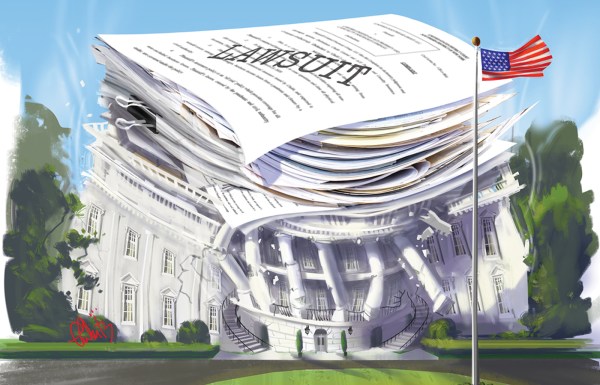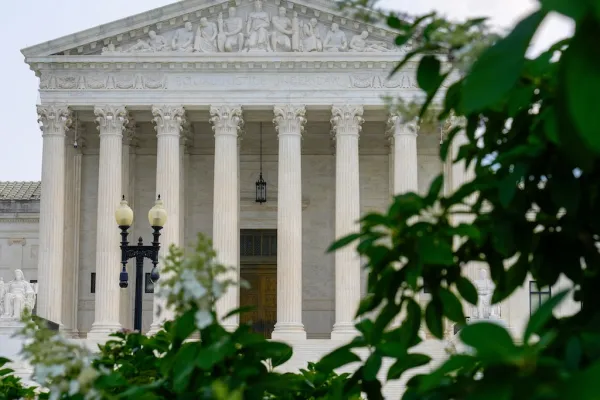
Among the several significant rulings the Supreme Court handed down last week, the most important was its unanimous rebuke of President Obama‘s infamous appointments of January 2012. The court delivered a decisive verdict: President Obama abused his power when he made three recess-appointments to the National Labor Relations Board, even though the Senate said it was not in recess when he did so. The court’s decision is much bigger than both the appointees themselves and the thousand NLRB rulings they made during their illegal tenure, which are all now invalid. The bigger issue is the underlying balance of constitutional power, which Obama was willing to risk for short-term political gain.
When the constitutional recess-appointment power was first conceived by the Founders, it took weeks to travel the country, and the U.S. Congress was expected to be out of session and away from the capitol for much of the calendar year. Thus, presidents were permitted, during the Senate’s absence, to make unilateral but temporary appointments to key posts in order to ensure the government’s ability to function year-round. When senators return from recess, they can either confirm the president’s appointment or allow it to expire at the end of the current session of Congress.