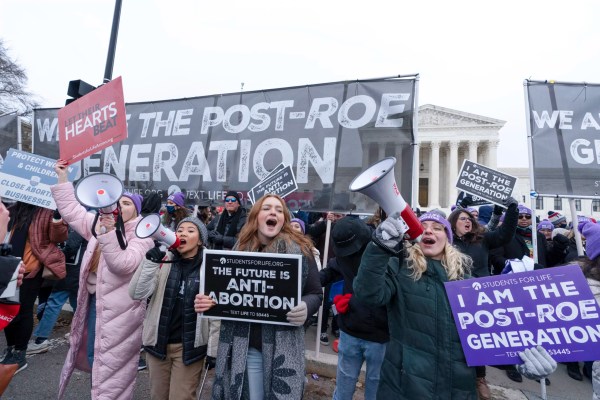
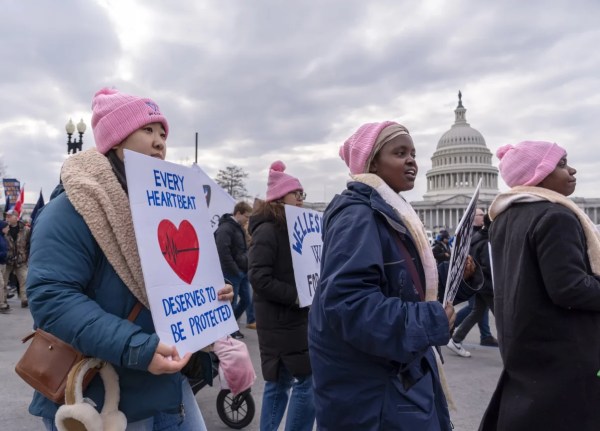
The 51st annual March for Life occurred on Jan. 19 during a cold wintery snowstorm. Tens of thousands of people eager to protect the lives of the unborn showed up on a frigid winter day in the middle of a snowstorm to march. Men and women, boys and girls, people of all ages braved the conditions to let the country — and the world — know their dedication to halting the extermination of children in the womb. It’s a dedication that should not go unnoticed.
But why keep marching? It’s a question that many people have asked since the Dobbs landmark Supreme Court case in 2022 that overturned Roe v. Wade. The “pro-lifers” achieved their objective and got what they wanted. Why is there a need to keep this tradition alive? The answer: because there is still work to be done, a lot of work.