<mediadc-video-embed data-state="{"cms.site.owner":{"_ref":"00000161-3486-d333-a9e9-76c6fbf30000","_type":"00000161-3461-dd66-ab67-fd6b93390000"},"cms.content.publishDate":1663861760975,"cms.content.publishUser":{"_ref":"00000180-1937-dba2-a7ba-39b778700000","_type":"00000161-3461-dd66-ab67-fd6b933a0007"},"cms.content.updateDate":1663861760975,"cms.content.updateUser":{"_ref":"00000180-1937-dba2-a7ba-39b778700000","_type":"00000161-3461-dd66-ab67-fd6b933a0007"},"rawHtml":"
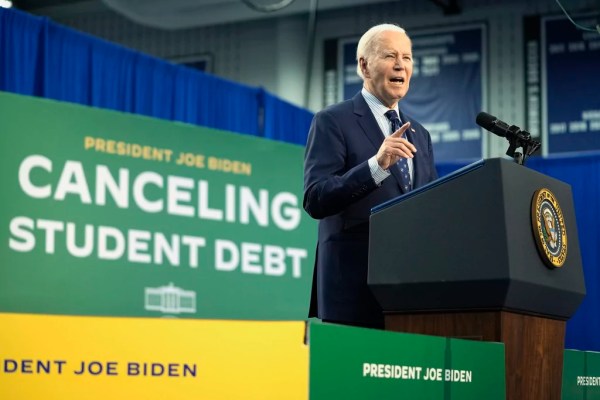
var _bp = _bp||[]; _bp.push({ "div": "Brid_63861757", "obj": {"id":"27789","width":"16","height":"9","video":"1103341"} }); ","_id":"00000183-5c0d-d1ea-a9c7-7d7fe7f40003","_type":"2f5a8339-a89a-3738-9cd2-3ddf0c8da574"}”>Video EmbedWhile money has yet to go out the door from President Joe Biden‘s $500 billion student debt transfer, his next move in the higher education sector could have a much more significant impact on both borrowers and taxpayers.