
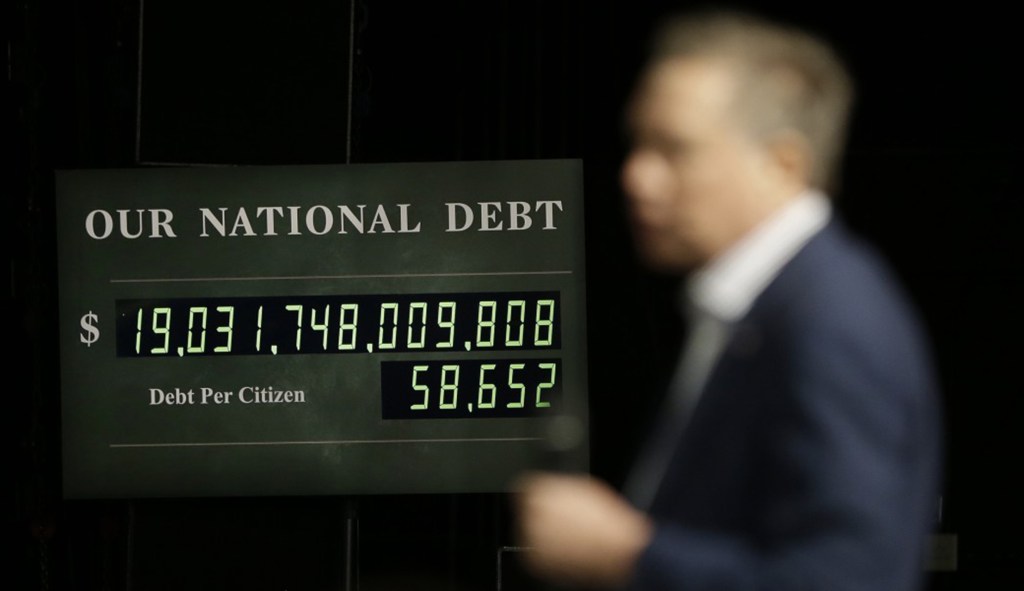
Most people understand that there’s a point at which borrowing more money isn’t the solution — it’s the problem. For people, bankruptcy offers a last resort escape from debt, and financial markets work diligently to avoid lending to those who might not be able to repay. The United States government, however, has no such safety net, making it imperative to gauge just how much debt is sustainable. This is where the concept of fiscal space becomes critical — it measures the buffer between current debt levels and the point of no return.
The challenge we face is not merely a collection of numbers. It’s about the future economic stability of our nation. My recent analysis, underpinned by the Congressional Budget Office’s projections, reveals that if we maintain our current fiscal trajectory, we will see our borrowing capacity, our fiscal space, begin to erode rapidly by 2032.