

What a newsroom doesn’t report is sometimes more interesting than what it does.
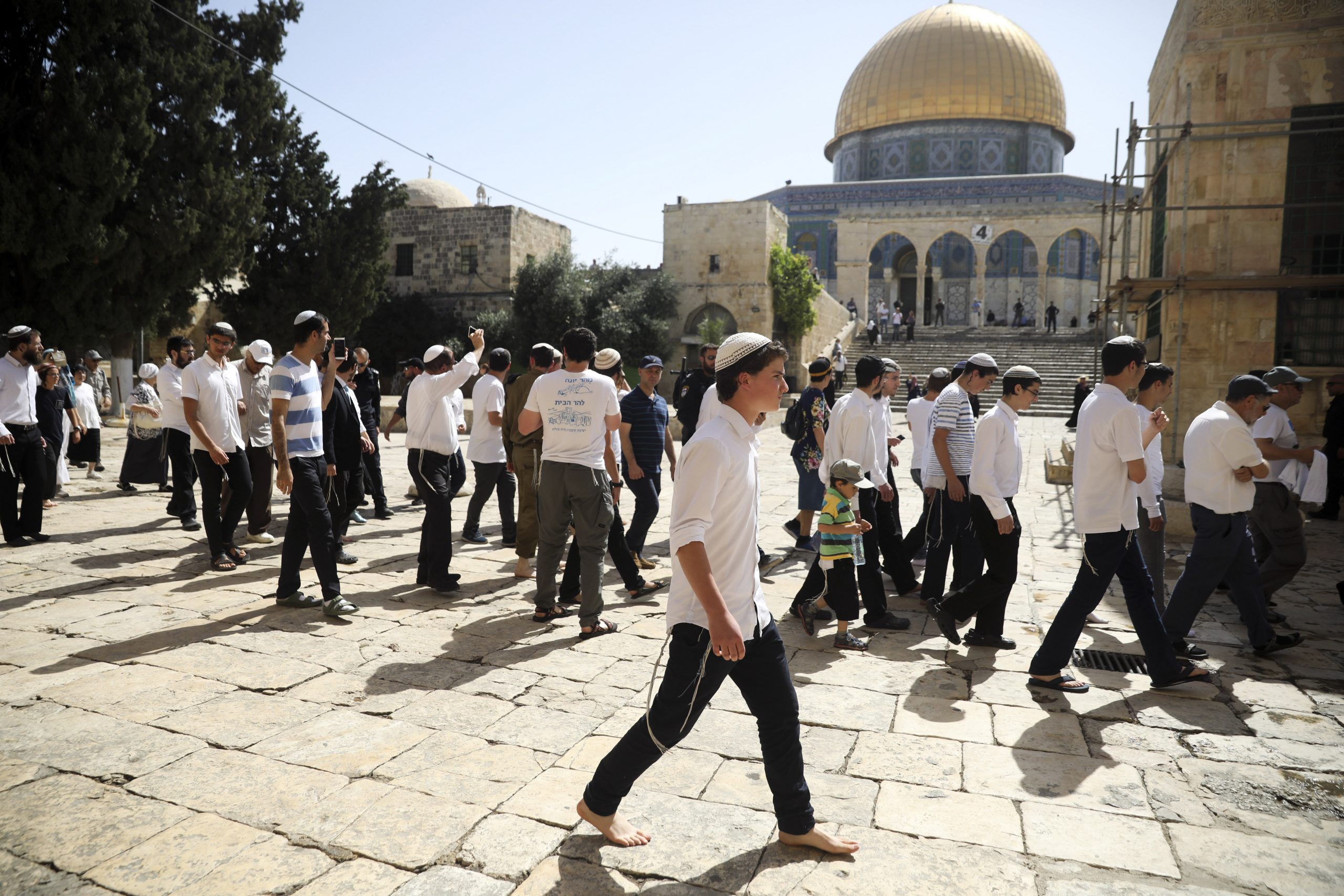
The New York Times published an article this week reporting that a growing number of Jews are praying in-person at the Temple Mount, where shaky political concessions have forbidden them from worshiping for the past several decades. However, conspicuously absent from the story are anything more than cursory mentions of why Jews would find it so important to pray at the mount, important enough to risk open conflict with their Muslim neighbors.
Recommended Stories



Indeed, the New York Times report makes no mention of the fact that the Temple Mount is not just a holy site for Jews but the holiest site in all of Judaism. That the report declines to mention this rather relevant context in a story about Jews praying at the Temple Mount is … confusing.
“Jews around the world pray in the direction of the Temple Mount,” Tablet magazine’s Yair Rosenberg said in reaction. “That’s how central it is. You simply cannot understand this story if you do not understand the site’s significance.”
“This sort of stuff is why religious literacy is not a ‘nice to have’ when covering places like Israel/Palestine and others in the Middle East,” he adds. “It’s essential to the story. Otherwise, you risk missing the entire plot and misinforming your readers.”
By the way, this apparent oversight doesn’t go both ways. In fact, the New York Times goes out of its way to explain the religious significance of the site to the Islamic faith.
The story reports the Temple Mount is “known to Arabs as the Noble Sanctuary or the Aqsa compound. The Aqsa Mosque and the golden Dome of the Rock, a shrine that Muslim tradition considers to be the spot where the Prophet Muhammad ascended to heaven, are situated on its limestone plaza.”
The article also reports, “Sheikh Omar al-Kiswani, the director of the mosque, said that the Aqsa compound should be reserved for Muslim prayer, in recognition of its importance to Muslims. Many Palestinians consider the Aqsa compound the embodiment of Palestinian identity, the animating force behind the aspiration for a Palestinian capital in East Jerusalem.”
“It has been named Al Aqsa since the Prophet Muhammad rose to heaven there,” Sheikh Omar told the New York Times.
The report is also careful to describe the Temple Mount as the “third-holiest place in Islam.”
In contrast, this is how the paper describes the significance the site holds for Jews: “The mount was once the site of two Jewish temples where tradition holds that God’s presence was revealed. Jews ascending the mount risk treading on a site too sacred for human footfall, they argue, since the temples’ exact locations are unknown.”
The article keeps its focus mostly on the secular, speculating as to the possible sociopolitical ramifications of Jews praying at a site “sacred to Jews and Muslims.” The article also describes the Temple Mount as a “site holy to Jews and Muslims.”
That Jews have begun to pray there again “could aggravate the instability in East Jerusalem and potentially lead to religious conflict,” the New York Times reports.
Along with the vague, both-sides references to it being “sacred to Jews and Muslims,” that’s all the New York Times has to say about the matter.
Interestingly enough, where the New York Times is light on relevant religious context, it’s heavy on noting the Jews who are going in-person to the mount, and those who support them, are “right-wing.”
“Rabbi Glick, an American-born, right-wing former lawmaker, has been leading efforts to change the status quo for decades,” it reports, adding, “The policy began to change during the tenure of Benjamin Netanyahu, Israel’s longest-serving prime minister, who led coalitions of right-wing and religious parties.”
When an Israeli politician announced all religions would have “freedom of worship” on Temple Mount, it apparently delighted “some members of his own hard-right party,” the New York Times reports.
“Many think the Western Wall is the holiest site in Judaism,” Rosenberg notes. “But in fact, its holiness derives from its proximity to the Temple and the Temple Mount. This is another essential fact you won’t learn from this NYT piece. Now you know more about Judaism than it will tell you!”
He adds, “I’ll close with a wild suggestion: What if people praying at their religion’s holiest site aren’t the problem, but rather the people trying to stop them are?”
Perhaps declining to explain the significance of the site to Judaism adequately is just an oversight from the New York Times. Or perhaps it’s more of the same from the newspaper that in 2015 published a “Jew tracker” monitoring all Jewish members of U.S. Congress who opposed the Obama administration’s nuclear deal with Iran. Perhaps omitting crucial context is the point.
