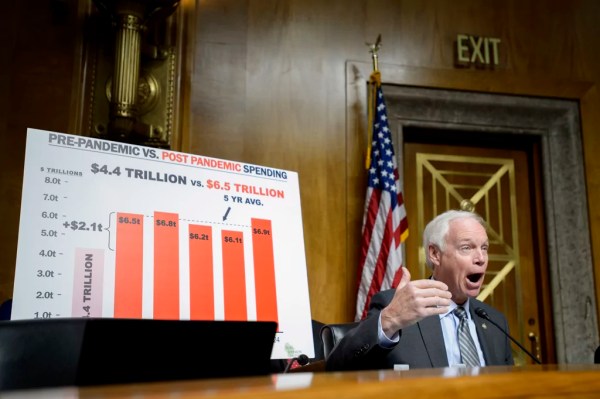
The coming battle over a new Supreme Court nominee is only the latest chapter in the ongoing decline of the Senate. Once described by President James Buchanan as “the greatest deliberative body in the world,” the Senate now barely deliberates. Formerly a place of special powers, high decorum, and accepted rules and processes, its members have instead given in to the temptation to win at any cost.
I am not the first to notice this decline. Orrin Hatch, who retired in 2018 after 42 years in the Senate, said in his closing remarks that the Senate “is in crisis.” “Regular order,” he continued, “is a relic of the past, and compromise, once the guiding credo of this great institution, is now synonymous with surrender.” When Sen. John McCain flew back from his cancer treatments to cast a decisive vote on Obamacare, he surprised everyone by declining to vote to repeal the law because the Senate had not followed its own processes. He decried the Senate’s inclination to draft legislation “behind closed doors … then spring it upon skeptical members.” He urged the Senate to “return to the correct way of legislating.”