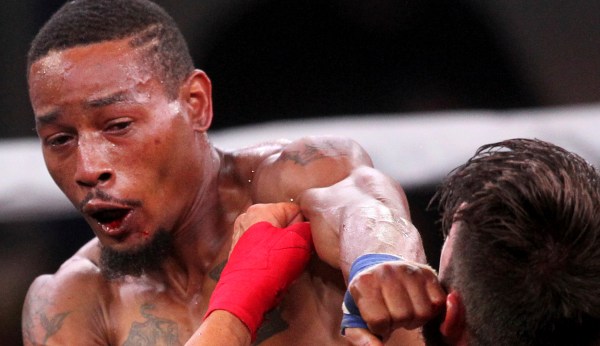
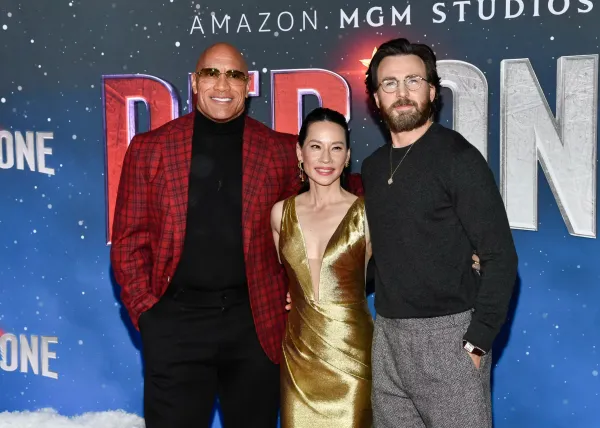
“I come from a wrestling background, but I might face off against someone who is in jiu-jitsu, or a boxer,” explains a hulking Dwayne Johnson as Mark Kerr in Benny Safdie’s The Smashing Machine, stitched and bruised, sitting in a doctor’s office. He’s describing “the ultimate fighting championship” to a concerned but curious grandmother staring at his battered face. The scene captures the strangeness of the sport’s early days in the late 1990s — when UFC was less billion-dollar brand and more underground spectacle, dismissed as barbarism outside a tiny niche.
What’s striking is how quickly that changed. Even for those of us who never cared about MMA, the names became unavoidable. Growing up in the 2000s, I couldn’t escape hearing about Chuck Liddell, Anderson Silva, or Georges St-Pierre. What The Smashing Machine reminds us is that before the pay-per-view ubiquity and before the ESPN highlight reels, the UFC was a small cadre of intrepid fighters elevated by the colossal charm and presence of Mark Kerr — a man whose rise and collapse paved the way for the sport’s transformation into cultural currency.