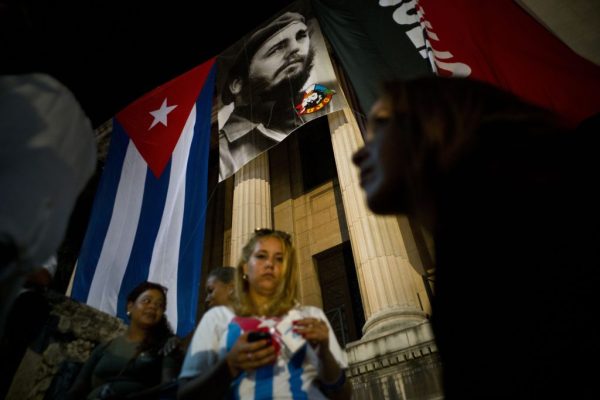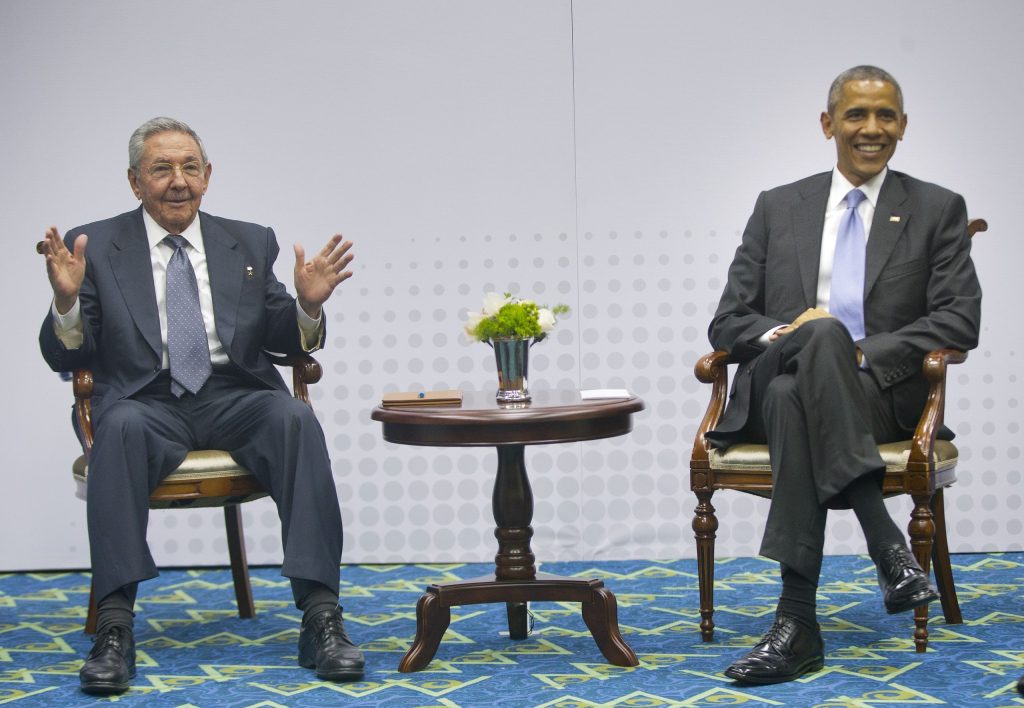
President Obama’s efforts to normalize relations with the Castro dictatorship in Cuba — most recently seen in his administration’s decision to remove Cuba from its list of state sponsors of terrorism — have obscured questions over what should be done to help Cubans be free to choose their own destiny. Cubans aspire to live in a democracy and within an economic system that would permit them — and not just those associated with the military or the Castro family — to improve their lives by engaging in economic activities independent from the government.
On December 17, Obama announced that his administration had carried out 18 months of secret negotiations to normalize relations with Havana. As a result, Cuban President Raul Castro released an American hostage named Alan Gross, a development worker who had been sentenced to prison by a kangaroo court for giving laptops and a satellite telephone to a small Cuban Jewish group. For that “crime,” Gross had spent five years in Cuba’s notoriously squalid prisons.