

Utah County prosecutors blamed the legal team for the accused Charlie Kirk killer Tyler Robinson on Friday of launching an “ambush” maneuver aimed at delaying the case and forcing local prosecutors off the high-profile murder prosecution.
Robinson, 22, is charged with aggravated murder in the Sept. 10 shooting death of conservative activist Charlie Kirk at an Utah Valley University event in Orem. The Utah County Attorney’s Office has said it will seek the death penalty if Robinson is convicted.
Recommended Stories


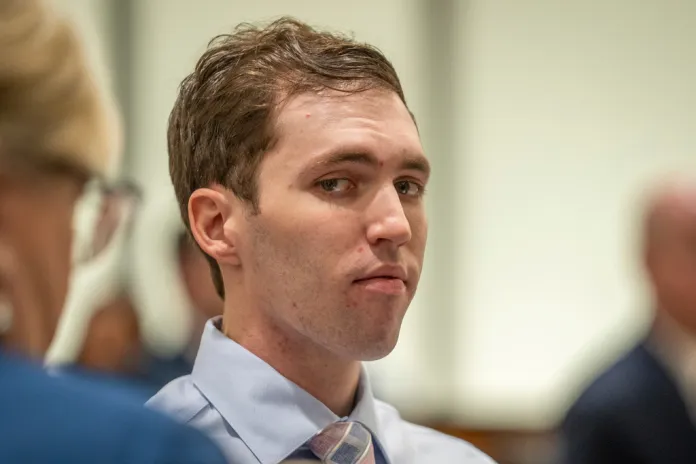
The defense is seeking to disqualify the entire Utah County Attorney’s Office over what they say is a conflict of interest involving a prosecutor whose 18-year-old child attended the rally where Kirk was shot. Robinson’s lawyers argue that the family connection and its emotional aftermath could have influenced internal decision-making, including the decision to pursue capital punishment, and are seeking the state attorney general’s office to take over the case.
But in a contentious hearing Friday, Utah County Attorney Jeffrey Gray told District Judge Tony Graf that Robinson’s attorneys blindsided the court by raising a new procedural demand at the last minute instead of filing a notice to the court.
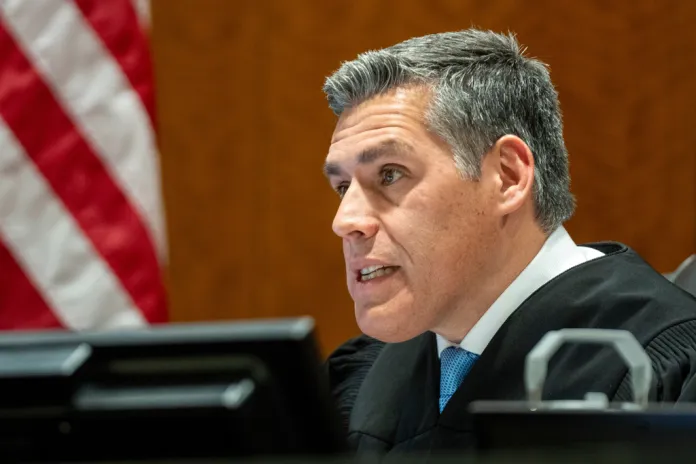
“I’m not sure why this is coming before us today,” Gray told the judge. “If it was such a surprise to them more than a week ago, I don’t know why they wouldn’t at least notify the court.”
He then went further, calling the defense strategy an “ambush” and “another stalling tactic to delay these proceedings.”
Utah County Attorney Jeff Gray slams Tyler Robinson’s defense counsel for attempting to disqualify fellow prosecutor from case: “I think this is ambush and another stalling tactic.” pic.twitter.com/HdJqYFaj3S
— The Post Millennial (@TPostMillennial) January 16, 2026
Gray argued that the defense is attempting to force the state’s attorney general to step in without first making any meaningful showing that an actual conflict exists. He warned that accepting the defense’s theory would allow defendants in serious cases to derail prosecutions simply by alleging a conflict and demanding a new set of lawyers to argue the issue.
Prosecutors told the court that until a judge finds a genuine disqualifying conflict, the office with statutory authority over the case should be able to defend its own involvement. Otherwise, Gray said, the process could be manipulated to run out the clock or shop for a more favorable prosecutor.
Robinson’s attorneys pushed back sharply, saying the issue is not a tactic but a legitimate concern raised by facts the county itself disclosed. Defense counsel said prosecutors informed them in October that the child of a deputy county attorney was present in the crowd when Kirk was shot and experienced the chaotic aftermath.
The defense said the family member was roughly 85 feet from Kirk at the time of the shooting, fled amid panic, and left a backpack behind. They argue that those circumstances, along with possible communications between the prosecutor and his child, raise serious questions under Utah ethics rules that require further analysis.
“This is not about seeking a lenient prosecutor. This is not about tactics at all,” defense attorney Richard Novak told the court.
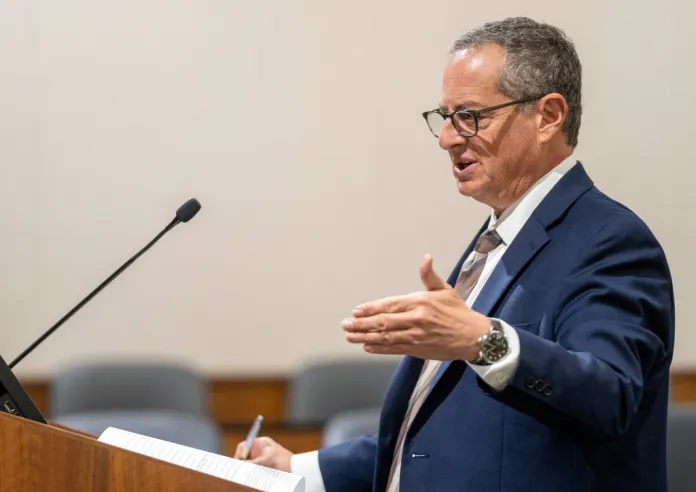
Novak said the county attorneys would be improperly serving “two masters” by representing the state while simultaneously defending their own conduct to determine whether disqualification is warranted. He urged Graf to halt the proceedings and order the Utah Attorney General Derek Brown’s office to handle the motion instead.
The clash forced Graf to wrestle with a threshold question — whether the defense must first present evidence of a real conflict before the court can even consider handing the issue to the attorney general.
Graf said he did not believe the defense’s written filings alone were enough to make that determination. He indicated that some form of evidentiary hearing would be necessary to develop the record before he could decide whether any conflict actually exists.
Meanwhile, the court also addressed a separate fight over whether the evidentiary portion of the hearing should be closed to the public because of safety and privacy concerns. Although both sides and attorneys for local media outlets agreed that closing the hearing might be appropriate, Graf declined to shut the hearing entirely, saying any restrictions would be handled witness by witness.
JUDGE DENIES EFFORT FOR MEDIA TO INTERVENE FOR ACCESS TO TYLER ROBINSON TRIAL
With those preliminary disputes resolved, the case was poised to move into testimony Friday afternoon, with Gray himself expected to be the first witness. The judge called a brief recess to reorganize the courtroom as the proceedings shifted into the evidentiary phase.
Robinson has not yet entered a plea. Prosecutors say text messages and DNA evidence link him to the killing and allege he targeted Kirk because he was tired of the activist’s “hatred.” A preliminary hearing in the murder case is scheduled for May.
