

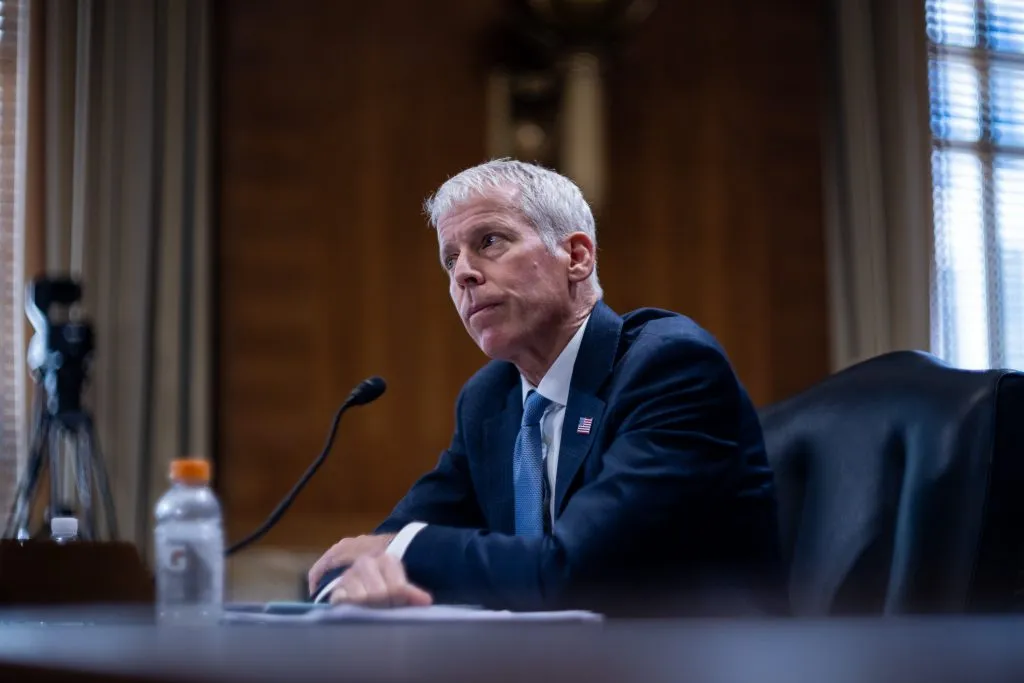
Energy Secretary Chris Wright walked back his statement that gasoline prices could remain above $3 per gallon one day after President Donald Trump called his estimates “totally wrong.”
During a hearing before the Senate Energy and Natural Resources Committee on the fiscal 2027 budget, Wright said he doesn’t know “the future of energy prices.”
Recommended Stories


“Often I will speculate or look at those things,” Wright said. “I would say gasoline prices look like they peaked about a week or so ago.”
He said that prices are still far lower than they were during the Biden administration, which saw prices surge to more than $5 a gallon due to post-pandemic demand growth, global supply constraints caused by Russia’s invasion of Ukraine, and other factors.
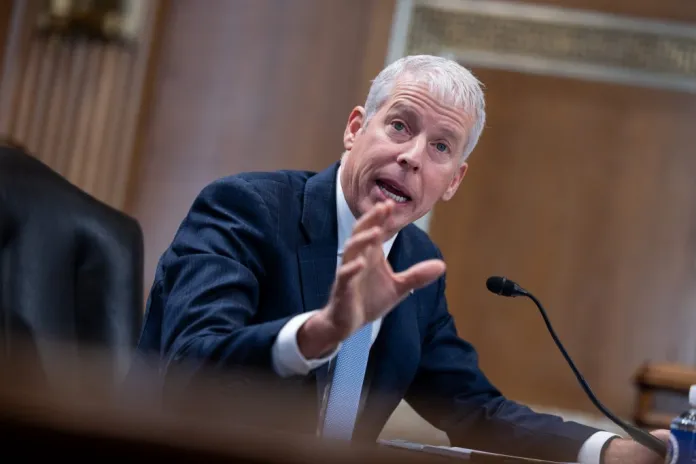
Wright’s remarks came after he was pressed on comments he made earlier in the week, during which he warned that gasoline could remain above $3 a gallon until 2027.
“I don’t know,” he told CNN when asked when prices could fall below that threshold. “That could happen later this year. That might not happen until next year. But prices have likely peaked.”
One day later, Wright’s assessment was labeled as “wrong” by the president.
“No, I think he’s wrong on that. Totally wrong,” Trump told The Hill.
The Department of Energy did not respond to the Washington Examiner’s request for comment.
As of Tuesday, the national average price of gasoline was $4.022 a gallon, up from $3.153 around this time last year.
Trump, who previously said gas prices could be higher by the time of the midterm elections, has taken a more optimistic messaging approach in recent days, particularly as concerns grow that high gasoline prices will make it increasingly difficult for Republicans to keep majorities in both the House and Senate.
TRUMP REJECTS ENERGY SECRETARY’S CLAIM ABOUT GAS PRICES STAYING HIGH: ‘TOTALLY WRONG’
Other administration officials have also echoed a more hopeful outlook, with Treasury Secretary Scott Bessent predicting prices will fall sometime this summer.
Wright, however, stood firm in his hedged view last week, telling CEOs at Semafor’s World Economy Summit that summer was an “aggressive time frame.”
