Trump should launch a Section 301 investigation into unfair drug pricing

Published April 22, 2026 10:00am ET


Every time Americans purchase prescription drugs, they end up paying higher prices so that foreign governments can pay less. Countries such as Germany and Canada use price controls and trade tactics to force pharmaceutical companies to sell the same medications at significantly lower prices than those charged in the United States.

We shoulder the costs of innovation that lead to these medicines. The investments in research and development are largely funded by U.S. patients, workers, and taxpayers. While critics claim that foreign price controls increase access overseas, they achieve this by unfairly shifting the burden onto Americans.

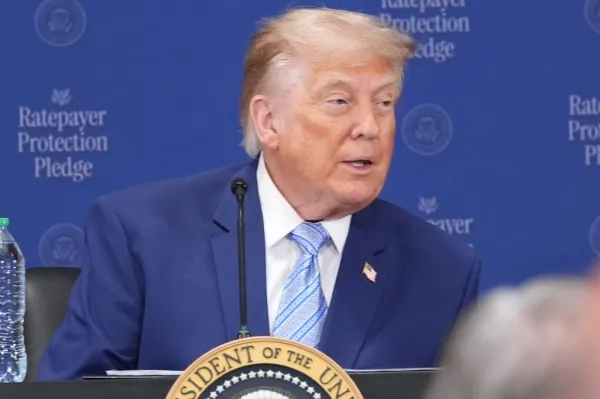
This is not true trade cooperation — it’s a subsidy arrangement that President Donald Trump is actively working to dismantle.

USTR OPENS INVESTIGATIONS INTO 60 COUNTRIES OVER UNFAIR TRADE PRACTICES

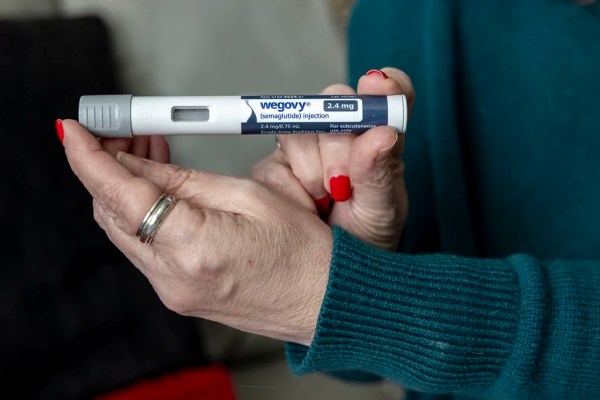
TrumpRx and the administration’s voluntary Most Favored Nation drug pricing program mark a genuine, concrete first step. Recent polling by Americans for Health Excellence and McLaughlin & Associates shows strong public backing, with 73% of voters supporting the end of “foreign freeloading” on U.S. drug innovation and nearly three-quarters agreeing it’s time for other countries to pay their share.

The polling also suggests this is not a partisan issue but rather an everyday concern for all Americans.

It’s apparent that voluntary agreements alone won’t solve the problem. To truly stop foreign exploitation, the administration can leverage all available tools, including trade measures such as Section 301 of the Trade Act of 1974.

Section 301 empowers the U.S. trade representative to investigate and address foreign practices considered “unreasonable or discriminatory” that impact U.S. commerce. Foreign pharmaceutical price controls clearly fall into this category. When nations such as Germany impose price caps on U.S. drug companies as a requirement for market access, or Canada establishes reference prices unrelated to discovery costs, these actions represent targeted economic extraction from U.S. innovators rather than impartial health policies.

A Section 301 investigation would create an official record, detailing price controls and unfair trade practices, identifying which countries and drugs are affected, and calculating the cost shift imposed on U.S. patients. This documentation provides substantial leverage, compelling trading partners to negotiate out of necessity rather than goodwill. It also strengthens the president’s position in trade talks to eliminate these unfair practices. In fact, voters favor voluntary negotiation supported by real leverage over government-imposed price controls by nearly a 2-to-1 margin. Section 301 offers precisely that leverage.

Congress also plays an important role. While the administration can build the case and apply pressure, lasting reform that survives any administration requires legislation that sets standards for how foreign governments treat U.S. medicines. Lawmakers from both parties who want to lower drug prices without compromising innovation of new treatments and cures should recognize this as a rare policy opportunity where both goals align.

Ending foreign exploitation is essential, but it’s just one piece of a broader accountability agenda. Eighty-three percent of voters believe that, with voluntary drug pricing deals secured, it’s time for all healthcare cost drivers — insurers, hospitals, and foreign governments — to contribute their share.

NO MORE FOREIGN FOUNDATIONS: THE CASE FOR AMERICAN CEMENT

Americans for Health Excellence is committed to holding all stakeholders accountable and building a healthcare system that prioritizes patients rather than allowing foreign governments to subsidize their citizens at our expense. Trump initiated this process, and the tools exist to finish it.

Foreign exploitation comes with a price. Americans pay it every month, at every pharmacy, in every premium bill. It’s time to bring that to an end.

Brad Wenstrup practiced in private medicine for 27 years before serving in Congress as a representative for Ohio from 2013 to 2025. He now serves as executive director of Americans for Health Excellence.