

Before I founded the nation’s largest Turning Point USA chapter, I heard the accusations leveled against the organization: divisive, extremist, dangerous, fascist. Then I spent years at the forefront of the movement. Here are my observations.
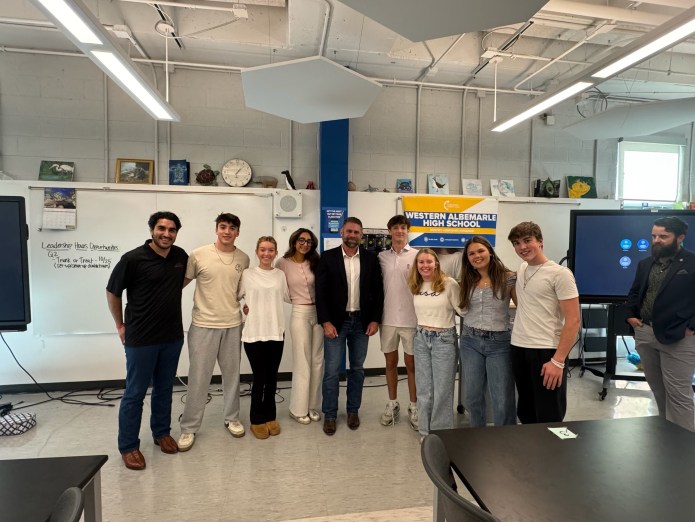
I started a Turning Point chapter at Western Albemarle High School in 2025, hoping to construct a space for civil dialogue. At the time, political discussion (of any nuance) was taboo on campus. Students with beliefs outside of the accepted mainstream liberal canon were terrified to speak up. Teachers, peers, and administrators forced students into silence. There was no “culture war,” there was no resistance. Only left-wing cultural dominance.
Stay informed.Stay ahead.
Join Washington Examiner for unlimited access to the news, analysis, and commentary that matter most.
Already a member? Log in
Our chapter changed that. We quickly drew hundreds of students to meetings, hosting speakers from across the nation: Nick Freitas, Isabel Brown, and Brilyn Hollyhand, just to name a few. For the first time, kids from different sides of the aisle, from different religions, ideologies, ethnicities, and backgrounds could walk across the cafeteria to engage in diverse conversations about the political issues of the day.
WHEN POLITICS BECOMES YOUR IDENTITY, DISAGREEMENT BECOMES WAR
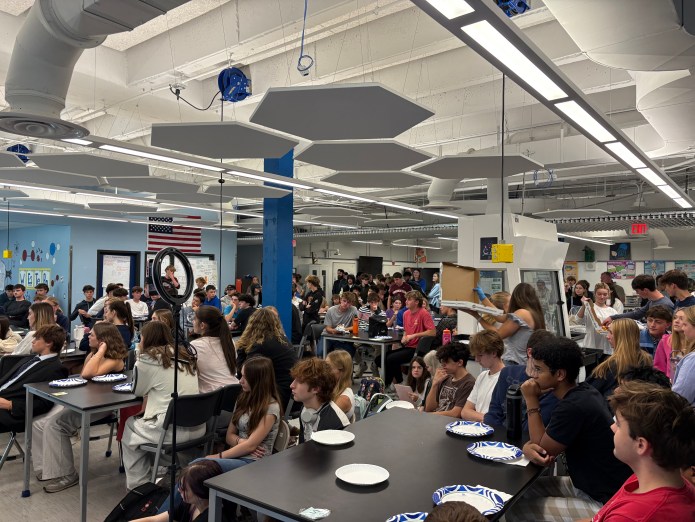
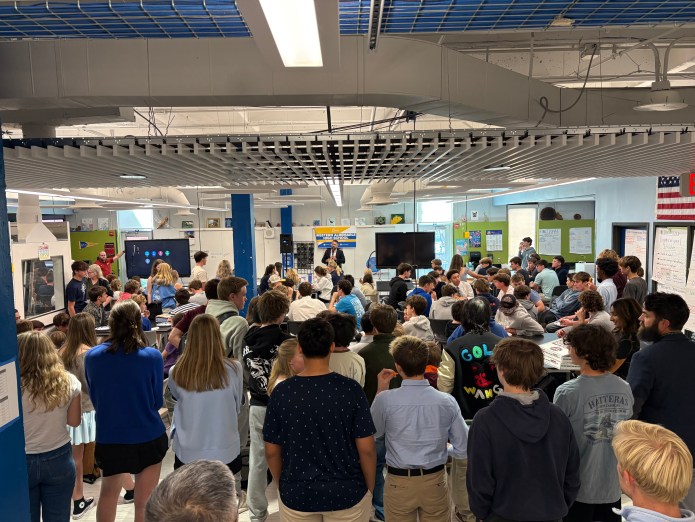
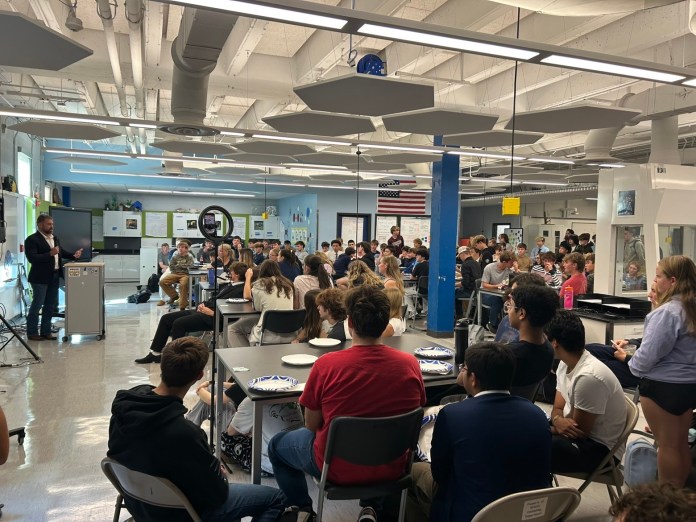
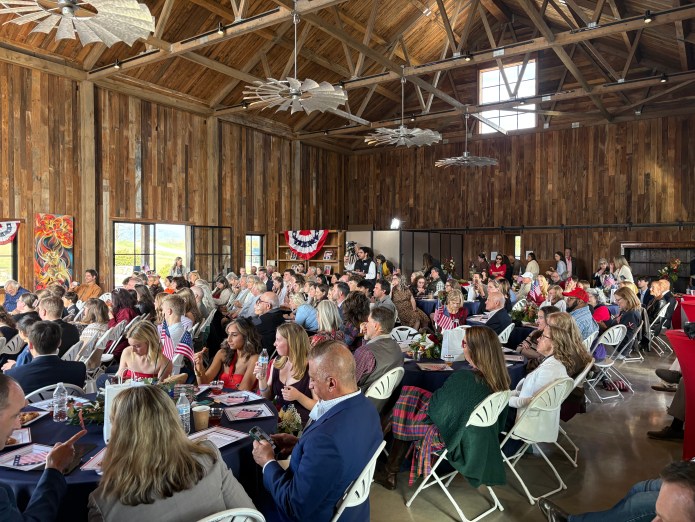
School administrators were shocked: Hadn’t these kids seen the rumors? Did nobody warn them? Why were they attending these meetings?
The students experienced the reality of TPUSA. Not the rumors they had heard online, but the true heart of the organization. And they loved it.
They came back week after week, month after month, thrilled to participate in the most dynamic, patriotic movement the U.S. has seen since the time of the founding fathers. The accusations of angry onlookers did not deter our students. The internet had no clue what Turning Point was really like, but our students did.
After my first year, I’d come to appreciate TPUSA’s structure and the impact of its presence on campus, but I didn’t quite recognize what made the movement special. Hundreds of national-level conservative organizations existed. Why was Turning Point the one to explode? I found the answer when I met Charlie Kirk.
Charlie and I met at breakfast during Turning Point’s 2025 Student Summit in Tampa, Florida. I sat with my plate of muffins and pastries, and Charlie with his Mint Majesty Tea. While I expected a political conversation, Charlie decided to ask about my dating life. I was taken aback, but after a few minutes of discussing my love life (or lack thereof), I listened to Charlie’s advice. For the next 20 minutes, he passed along sage wisdom on family, fatherhood, and the qualities to look for in a wife. I listened intently, but more than even the content of his words, his sincerity and authentic interest in my life blew me away. I felt cared for.
My experience with Charlie was not an outlier. For the first time, Charlie offered a human-centric alternative to conservative youth. For him, we were more than numbers on a screen or scraps of paper in a ballot box. We were the future of America.
And then, he was gone. Murdered in cold blood. For a brief, beautiful moment, conservatives united in grief. Vigils spread across the country. Church attendance increased, and friends gathered together in prayer. In that time, the entire conservative community felt Charlie’s impact in unifying our movement.
Sadly, since Charlie’s death, online discourse about TPUSA has become increasingly intense and distorted, this time setting its sights on Erika Kirk.
The internet is wrong.
I met Erika backstage during TPUSA’s AmericaFest, an annual conference held in Phoenix, Arizona. I expected a polite, formal interaction, as you’d naturally expect from a high-profile figure.
Instead, I saw something completely different.
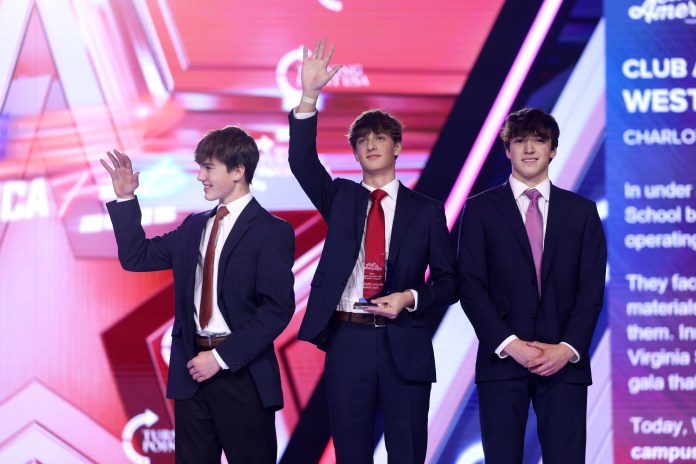
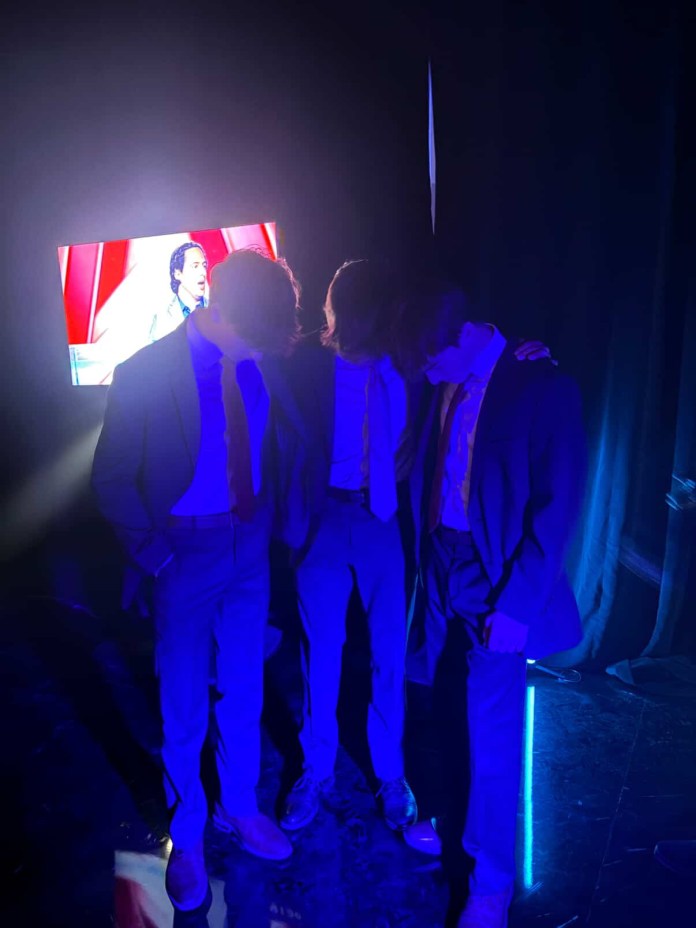
My friends and I were preparing to take the stage to accept the Legacy Chapter of the Year Award. Wracked by nerves, we huddled up for a last-minute prayer. Just after I said “amen,” I felt a tap on my shoulder.
What I saw shocked me.
Erika saw our prayer and was deeply moved. She started to cry. Not performatively, not for the spotlight or cameras, but in a quiet, human way.
As I got to know her, I found out that Erika’s tears came from a place of hope. Hope for my generation, hope for my country, and hope for the future.
That interaction was powerful beyond belief.
When opportunists on the internet spread conspiracies, slander, and insults, it’s easy to buy into the madness, accept rumors at face value, and turn on each other. It is important, especially now, to avoid that fate.
The internet is making noise. Lots of it. However, that noise exists only because TPUSA is making a serious impact on the lives of its members, along with the American body at large. With midterm elections coming up, conservatives cannot afford to fall prey to petty drama and combat one another. Not now. There is too much on the line.
UNIVERSITIES CHURN OUT BLOODTHIRSTY LIBERAL ACTIVISTS. CASE IN POINT: COLE ALLEN
Charlie Kirk encapsulated the antidote to internet madness perfectly in a tweet from June 2025: “When things are moving very fast and people are losing their minds, it’s important to stay grounded. Turn off your phone, read scripture, spend time with friends, and remember internet fury is not real life. It’s going to be okay.”
He was right. After years inside the largest Turning Point USA high school chapter, I can attest to the true, God-fearing character of TPUSA. I can also attest that the truth is often less sexy than a lie. The truth is usually simple, good, and self-asserting. The internet can’t profit from “simple.” It struggles to profit from good. In the process, and in the case of Turning Point USA, it loses sight of truth.
Noah Coffin is a high school senior from Virginia and the founder of the nation’s largest Turning Point USA high school chapter at Western Albemarle High School. He contributes to The Young Right where he is involved in conservative media projects focused on youth culture, politics, and Gen Z political engagement. Follow him across social media @realnoahcoffin.
