

Gov. Bill Lee (R-TN) delayed the execution of Tony Carruthers by one year after the inmate experienced a “botched” execution on Thursday.
Executioners failed to find a vein to insert the mandatory backup IV line per Tennessee‘s lethal injection protocol. Carruthers had been convicted of a triple murder in Memphis in 1994, though advocates had pushed for clemency in the weeks leading up to his execution date.
Recommended Stories


The convict was supposed to be executed at 10 a.m. CT, with the intravenous lines for his execution eventually being removed at 11:52 a.m. The botched insertion caused Carruthers to be in pain as he lost “lots of blood,” one of his public defenders, Amy Harwell, said.
The inmate’s case had experienced increased public scrutiny, as the state had no physical evidence supporting Carruthers’s conviction. The convict has insisted he is innocent since his trial.
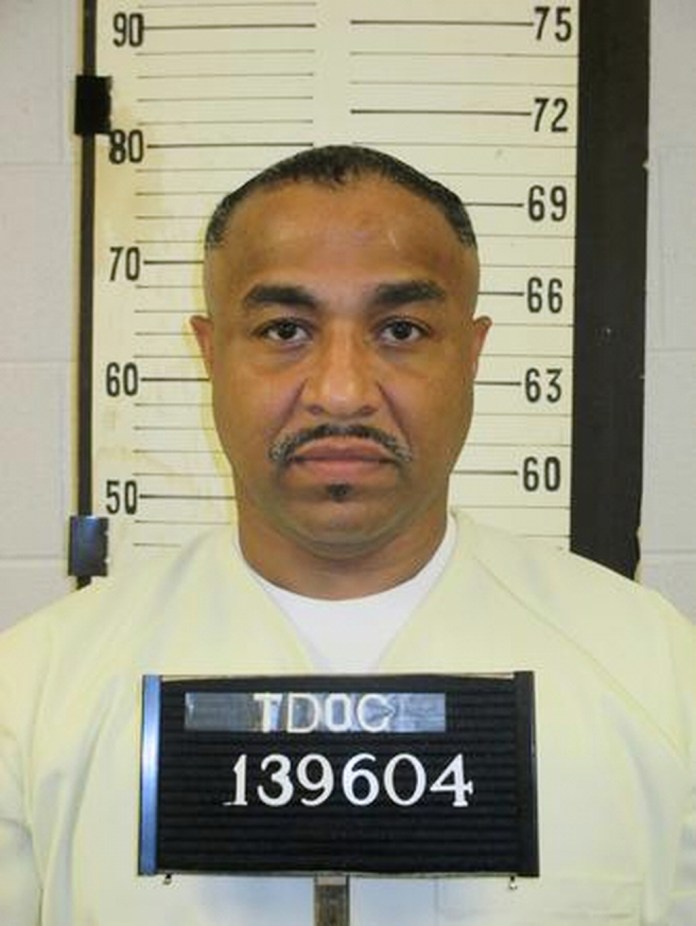
Lee initially refused to halt the execution on May 19.
“We know that there is no physical evidence that matches Tony,” said Lucas Cameron-Vaughn, interim legal director of the American Civil Liberties Union of Tennessee. “Investigators recovered fingerprints from the home where the victims were kidnapped. … None of those fingerprints match Tony.”
Carruthers’s conviction in the triple homicide of a Memphis drug dealer, the victim’s mother, and the dealer’s teenage friend, is based primarily on the testimony of others who said they have heard him confess or discuss details of the crimes with them.
The three victims were kidnapped and brought to a freshly dug grave in a cemetery, where they begged for their lives before being shot by Carruthers and an accomplice, James Montgomery, in an attempt to gain control of the drug trade in the neighborhood, according to prosecutors.
SUPREME COURT DECISION ON DEATH ROW IQ CASE WILL SPARE PRISONER’S LIFE
The bodies were covered with plywood and dirt, with a casket being lowered on the hidden bodies shortly after as part of the scheduled funeral for that grave. Police only became aware of the murders after Montgomery’s brother led law enforcement to the gravesite.
During his trial, Carruthers repeatedly threatened his public defenders and went through a roster of lawyers, eventually being forced by the judge to represent himself. Advocates for the inmate blame his behavior toward his attorneys on a schizoaffective disorder, arguing that Carruthers’s lack of representation and uncertainty over the reliability of a fellow prisoner’s testimony are reasons to stay his execution.
