

President Donald Trump and the Justice Department struck a defiant tone Friday after prosecutors withdrew subpoenas targeting New York Times reporters in a criminal leak investigation involving Trump’s Qatari-donated Air Force One plane.
“We’re not after journalists,” Trump told reporters in the Oval Office. “We’re after leakers. We’re after people that are cowards, people that are unpatriotic, people that are treasonous in many cases.”
Recommended Stories



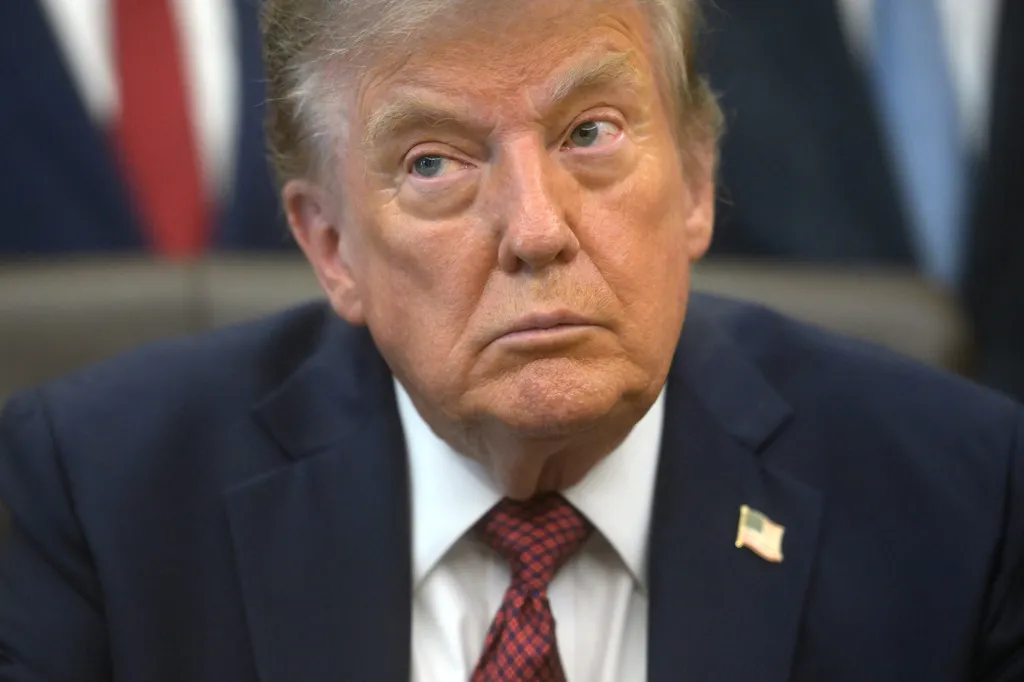
“And the way you find them is through journalists,” Trump added.
A DOJ spokesperson told the Washington Examiner that Judge Arun Subramanian “threatened our attorneys with sanctions unless subpoenas were withdrawn, and blocked us from presenting the meticulous process of this investigation.” The spokesperson maintained that the grand jury had a right to hear from material witnesses and said the department’s inquiry would continue.
“Make no mistake, this investigation remains ongoing, and we will pursue justice against those threatening national security by leaking classified information, a serious federal crime,” the spokesperson said.
The investigation grew from New York Times reporting earlier this month that raised questions about why Trump left a NATO summit in Turkey aboard an older presidential aircraft rather than the Qatari-gifted jet he had used to travel there. The New York Times and other news organizations reported that the new plane lacked defensive countermeasures intended to protect the president from missiles and other threats.
At the time, the government said the reporting raised substantial national-security concerns because Trump, senior officials, and reporters had been flying in foreign airspace during hostilities with a foreign adversary.
Subramanian on Friday ordered the DOJ to provide internal communications related to its effort to secretly obtain records as part of the investigation. He said prosecutors must turn over, by Monday and on an ex parte basis, communications about the decision to seek a non-disclosure order, whether its application should have identified the records’ owners as reporters, and when the reporters should have been notified of third-party subpoenas.
The order followed a contentious hearing on Thursday in which Subramanian questioned the accuracy of the DOJ’s application. The government acknowledged it “inadvertently included language” describing the investigation as nonpublic, although its existence had become public.
The DOJ promptly withdrew subpoenas seeking phone and text records and grand jury testimony from New York Times journalists Julian E. Barnes, Eric Lipton, Tyler Pager, and Eric Schmitt after Subramanian said he would quash them.
Newly unsealed records on Friday also showed Google received a subpoena seeking subscriber information associated with a phone number, as well as an order barring it from alerting the subscriber. Google challenged the order, and Subramanian vacated it.
JUSTICE DEPARTMENT WITHDRAWS SUBPOENAS TO NEW YORK TIMES REPORTERS
“That person should be found, and the way you find them is to tell the journalist, if it’s something having to do with national security, you tell the journalist: ‘Who is it?’” Trump said on Friday. “And we have a long way to go with that case.”
Trump made a similar argument in January 2023, after the Supreme Court could not identify the source of a leaked draft opinion overturning Roe v. Wade, saying a reporter who refused to identify the leaker should turn over his source or face potential charges.
