
The University of California is arming its campus police departments with thousands of rounds of rifle ammunition, pepper-ball projectiles, and other tactical equipment ahead of the 2028 Los Angeles Olympics.
This includes a major ammunition purchase by UC San Diego and expanded drone capabilities at UCLA.
Recommended Stories

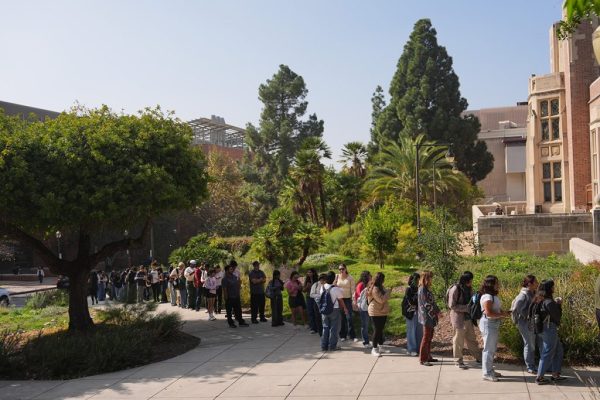
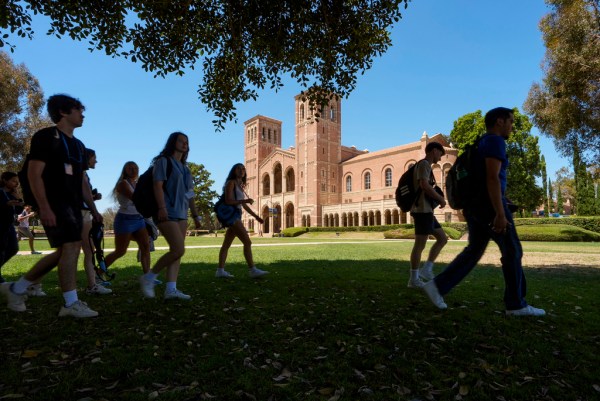
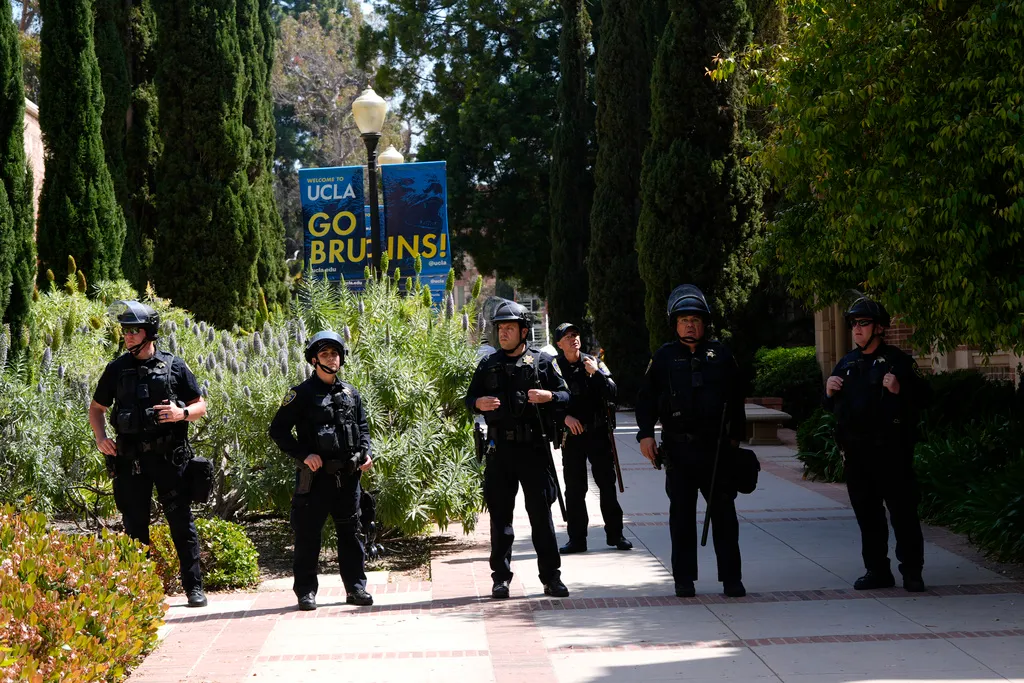
The UC Regents approved the requests for five campuses Wednesday, authorizing nearly 11,000 rifle rounds and 1,950 pepper-ball projectiles as the university system faces mounting scrutiny over campus policing. The purchases come amid criticism over police responses to 2024 pro-Palestinian protests and allegations of antisemitism on campus.
UCLA, which will house Olympic and Paralympic athletes in its Westwood campus housing during the 2028 games, requested several additions to its police arsenal. The department wants to increase its fleet of emergency-response drones from three to five and purchase four additional drones for pilot training, the Los Angeles Times reported.
Of the 1,950 pepper-ball projectiles requested, 1,000 contain a chemical irritant, while the remaining 950 are inert. UCLA police said the non-irritant rounds would be used in situations where officers want to avoid exposing people to chemicals, including in enclosed spaces. The department also requested 50 additional 40-millimeter foam-tipped projectiles.
The requests are not the first time UC police departments have acquired military-style equipment. Purchases and maintenance across the system totaled approximately $237,000 in fiscal 2025-26, according to the university’s latest report. The document did not provide an overall price tag for the latest requests.
UCLA’s ammunition request has drawn opposition from faculty and other members of the campus community.
During a Nov. 4 public meeting hosted by UCLA police, critics urged the department to stop purchasing 40-millimeter foam-tipped launchers. University policy permits officers to use the weapons against people exhibiting life-threatening behavior, as well as individuals actively resisting who are believed to have access to a deadly weapon.
A public letter opposing the purchases initially collected 395 signatures, including 170 from UCLA faculty and staff, according to political science professor Michael Chwe. The number has since increased to 432.
“No student or UCLA community member should be the next person shot,” the letter said.
Chwe also pointed to a January federal court ruling restricting the Los Angeles Police Department’s use of 40-millimeter launchers for crowd control after a judge found officers had violated an earlier court order governing the weapons.
The largest ammunition request came from UC San Diego, which sought 11,000 rifle rounds. Campus police said the purchase would replenish supplies used during rifle training and officer qualification exercises.
The requests received preliminary approval Tuesday from the Regents’ Compliance and Audit Committee before going to the full board Wednesday.
Regent Hadi Makarechian questioned why UC San Diego needed so much ammunition and whether the campus faced a particular security threat: “To me, it sounds like a lot of ammunition.”
Mike Denson, UC San Francisco’s police chief and the systemwide coordinator for UC police services, said that ammunition requests generally reflect the number of officers and rifles assigned to each department. He said the rounds are “used primarily for training.”
Other campuses also sought additional equipment. UC Santa Barbara requested 12 AR-15-style patrol rifles for administrative vehicles used by officers, while UC Riverside asked for two drones. UC Merced requested 200 reloadable rounds for officers to practice using 40-millimeter launchers, emphasizing that the training ammunition is “not for use on humans.”
Separately, the UC Office of the President requested four mobile command vehicles police could use to coordinate responses to emergencies and large-scale events. One potential use would be security operations surrounding the Athletes Village at UCLA during the Olympics.
The university did not identify the specific type of vehicles it intends to purchase, though police departments typically use specially equipped trucks or recreational vehicles as mobile command centers.
THANKSGIVING TRAVEL WILL BE LOWER THIS YEAR BECAUSE OF COSTS: AAA
UC said it applied for federal assistance to cover the expense and received a $2 million award in October through the Justice Department’s Community Oriented Policing Services program. UCLA was not part of the grant application, and the university said the vehicles have not yet been ordered. They will remain in the UC police system after the Olympics, with officials determining where they are needed.
The regents’ approval authorizes the acquisitions but does not provide funding. Individual campus police departments have generally covered similar purchases through their existing budgets.